|
This unit provides an overview and orientation to this Professional Cook Certification Course. It sets expectations and provides instructions for how to use the course platform to progress through activities and assessments. |
|
Orientation
|
Course Orientation
- Task 2: Course Orientation and Objectives
- Task 3: How to Learn with Rouxbe
- Task 4: Live Events | Join Us
- Task 5: What We Expect from You
- Task 6: What You Can Expect From Rouxbe
- Task 7: The Map of Cooking & Cooking Methods Wheel
|
|
|
Getting Started: Kitchen Tools & Equipment
- Task 8: Kitchen Tools & Equipment | Introduction
- Task 9: A Comprehensive Look at Kitchen Tools
- Task 10: Mise en Place & Storing
|
|
|
Complementary Skills for Culinarians
- Task 11: Teamwork and Operational Awareness
- Task 12: The Basics of Being a Team Member
- Task 13: Problem Solving and Judgment
- Task 14: Proactive vs Reactive Problem Solving
- Task 15: Pride and Respect
- Task 16: Professional Presence and Appearance
|
End of Unit 1
|
|
The Basics
- Task 17: Introduction to Smartphone Food Photography
- Task 18: Setting Your Scene/Photo Mise en Place
|
|
|
Smartphone Camera Lens
- Task 21: Activity | Portrait Mode
|
|
|
Lighting
- Task 23: Activity | Lighting
|
|
|
Make Your Go-To Dish
- Task 24: Things to Remember Before You Take The Shot
- Task 25: Activity | Make Your Go-to Dish
|
End of Unit 2
|
Foodborne illness can be an issue both inside and outside of the home, regardless of how well we think we know our food supply chain. Symptoms can range from an upset stomach to nausea, diarrhea or vomiting. In this unit, you'll learn techniques and habits to keep your loved ones happy and healthy. |
|
Orientation
|
Unit Orientation
- Task 26: Unit Orientation & Objectives
- Task 27: Complete Your Self Assessment
- Task 28: Unit Pre-Assessment
|
|
|
Introduction to Food Safety
- Task 29: Introduction to Food Safety
- Task 30: Causes of Foodborne Illness
- Task 31: Types of Pathogens
- Task 32: Keys to Food Safety
|
|
|
Handwashing
- Task 33: Introduction to Handwashing
- Task 34: When to Wash Your Hands
- Task 35: Proper Handwashing
|
|
|
Buying & Storing Food
- Task 37: Buying Food Safely
- Task 38: Potentially Hazardous Foods
- Task 39: Buying Food Safely
- Task 40: Storing Food Safely
- Task 41: Storing Food in the Refrigerator
- Task 42: Quiz: Storing Food in the Refrigerator
- Task 43: More Refrigerator Tips
- Task 44: Storing Food in the Freezer
- Task 45: Storing Dry Goods
- Task 46: Storing Leftovers
|
|
|
Preparing Food
- Task 47: Preparing Food Safely
- Task 48: Cross-Contamination
- Task 50: Cooking Food Thoroughly
- Task 51: Using Thermometers
|
|
|
Cleaning Up
- Task 52: Cleaning for Food Safety
- Task 54: Cleaning Counters & Cutting Boards
|
|
|
Kitchen Safety Basics
- Task 55: Introduction to Kitchen Safety
- Task 56: Types of Hazards
|
|
Review
|
Unit Review & Assessment
- Task 58: Unit Review & Quiz Preparation
|
End of Unit 3
|
This unit charts a path for you to become more comfortable and proficient with handling a knife. Since a knife is the most important tool in the kitchen, we offer guidance on how to select and care for your knives while giving you ample opportunity to practice your skills. |
|
Orientation
|
Unit Orientation
- Task 60: Unit Orientation & Objectives
- Task 61: Complete Your Self Assessment
- Task 62: Unit Pre-Assessment
|
|
|
Selecting a Knife Set
- Task 63: Selecting a Kitchen Knife Set
- Task 64: Label the Parts of Chef's Knife
|
|
|
Proper Knife Handling
- Task 65: Handling a Chef's Knife
- Task 66: The Bench Scraper Practice Activity
- Task 67: Hone Your Knife Practice
- Task 68: Cut 10 Feet of Celery
|
|
|
How to Cut with a Chef’s Knife
- Task 69: How to Cut Using a Chef's Knife
- Task 70: Activity | Dicing Ingredients Practice
- Task 71: Make Minestrone Soup
- Task 72: Activity | Label Knife Cuts
- Task 73: Activity | Demonstrate Your Knife Cuts
|
|
|
Sharpening Your Knife
- Task 74: Knife Sharpening with a Whetstone
|
|
Review
|
Unit Review & Assessment
- Task 75: Unit Review & Quiz Preparation
|
End of Unit 4
|
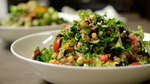
Fresh and crisp salad greens are a healthy and refreshing part of a balanced diet. By using a variety of greens, salads will not only look visually stunning, but they will taste great.
In this unit, you will learn how to choose and identify an assortment of salad greens. You will learn how to clean and refresh greens and how to dry and store them. You will also learn how to properly dress and toss a salad and how to combine greens in order to compose different salads with a variety of vinaigrettes. |
|
Orientation
|
Unit Orientation
- Task 77: Unit Orientation & Objectives
- Task 78: Complete Your Self Assessment
- Task 79: Unit Pre-Assessment
|
|
|
Salad Greens | Selecting & Preparing
- Task 80: Salad Greens | Selecting & Preparing
- Task 81: Quality Olive Oils for Salads
- Task 82: How to Choose Quality Balsamic Vinegar
- Task 83: Lesson Practice Recipes
|
|
|
Salad Dressing & Vinaigrette
- Task 84: Salad Dressing & Vinaigrette
- Task 85: How to Prepare Dressings & Vinaigrettes
- Task 86: Expanding Your Vinaigrette Repertoire
- Task 87: Activity | Simple Salad & Vinaigrette
- Task 88: Lesson Practice Recipes
|
|
Review
|
Unit Review & Assessment
- Task 89: Unit Review & Quiz Preparation
|
End of Unit 5
|
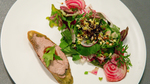
Excellent, consistent, and quick plating takes just a bit of forethought, practice and skill.
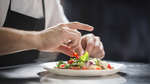
In this unit, you will identify the anatomy of a plate, look at plate design, know how to set up your workstation in order to efficiently plate, sauce and garnish and how to inspect a finished plate before serving it to a diner. |
|
Orientation
|
Unit Orientation
- Task 91: Unit Orientation & Objectives
- Task 92: Complete Your Self Assessment
- Task 93: Unit Pre-Assessment
|
|
|
The Basics of Plating
- Task 94: Your Canvas | The Plate
- Task 95: Presentation Styles
- Task 96: The Rule of Thirds | Odds and Evens
- Task 97: Building Your Dish
- Task 98: Activity | Plating a Dish
|
|
Review
|
Unit Review & Assessment
- Task 99: Unit Review & Quiz Preparation
|
End of Unit 6
|
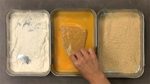
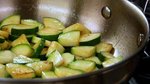
This unit focuses on dry-heat cooking methods. It will introduce some foundational information on how to heat a pan so you can properly pan fry food. In this unit, you will learn the few key indicators to look for when pan-frying along with some simple yet effective cooking methods that will enable you to master the art of pan frying. This unit will introduce the concepts of sweating, sautéing, bread and battering and the stir-fry technique. |
|
Orientation
|
Unit Orientation
- Task 101: Unit Orientation & Objectives
- Task 102: Complete Your Self Assessment
- Task 103: Unit Pre-Assessment
|
|
|
How to Pan Fry
- Task 105: Perform the Water Test
- Task 106: Pan-Frying Challenge Questions
- Task 107: Pan-Fry Chicken Breast Medallions
- Task 108: Pan-Frying Thick vs. Thin Ingredients
- Task 109: Activity | Pan-Frying
- Task 110: Lesson Practice Recipes
|
|
|
Pan Tossing
- Task 112: Lesson Practice Recipes
- Task 113: Practice Exercises for Pan-Tossing
|
|
|
How to Sweat Ingredients
- Task 114: How to Sweat Ingredients
- Task 115: Activity | Sweating for Flavor Development
- Task 116: Make a Tomato Sauce
- Task 117: Lesson Practice Recipes
|
|
|
How to Sauté
- Task 120: Activity | Sautéing
- Task 121: Lesson Practice Recipes
|
|
|
Dry-Heat Cooking | Grilling
- Task 122: Introduction to Grilling
- Task 123: Grilling Plant-Based Ingredients
- Task 124: Activity | Grilling
|
|
|
Searing
- Task 126: Lesson Practice Recipes
|
|
|
How to Bread & Batter Foods
- Task 127: How to Bread & Batter Foods
- Task 128: Lesson Practice Recipes
|
|
|
How to Shallow Fry & Deep Fry
- Task 129: How to Shallow Fry & Deep Fry
- Task 130: Lesson Practice Recipes
|
|
|
Introduction to Stir-Frying
- Task 131: Introduction to Stir-Frying
|
|
|
How to Stir-Fry
- Task 132: How to Stir-Fry
- Task 133: Lesson Practice Recipes
|
|
Review
|
Unit Review & Assessment
- Task 134: Unit Review & Quiz Preparation
|
End of Unit 7
|
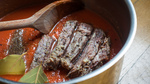
This unit focuses on moist-heat cooking methods. Using submersion methods, you will learn about and then practice braising, poaching, steaming, stewing and simmering. Moist methods provide a learning platform through which to create a variety of delicious dishes that all use the power of hot liquid or steam for their preparation. |
|
Orientation
|
Unit Orientation
- Task 136: Unit Orientation & Objectives
- Task 137: Complete Your Self Assessment
- Task 138: Unit Pre-Assessment
|
|
|
Submersion Cooking Methods
- Task 139: Submersion Cooking Methods
- Task 140: Submersion Activity
- Task 141: Make Vegetable or Court Bouillon
- Task 142: Lesson Practice Recipes
|
|
|
Combination Cooking Fundamentals
- Task 143: Combination Cooking Fundamentals
- Task 144: Lesson Practice Recipes
|
|
|
Braising | Combination Cooking
- Task 145: Braising | Combination Cooking
- Task 147: Lesson Practice Recipes
|
|
|
Stewing | Combination Cooking
- Task 148: Stewing | Combination Cooking
- Task 149: Reorder Activity: Stewing Steps
- Task 150: Lesson Practice Recipes
|
|
|
Pot Roasting | Combination Cooking
- Task 151: Pot-Roasting | Combination Cooking
- Task 152: Lesson Practice Recipes
|
|
|
Steaming | Introduction
- Task 153: Steaming Introduction
- Task 154: Question Reveal Activity
|
|
|
Steaming | Basics
- Task 155: Steaming Basics
- Task 156: Steam Marinated Chicken
- Task 157: Image Select Activity
- Task 158: Lesson Practice Recipes
|
|
|
Pressure Cooking
- Task 159: Introduction to Pressure Cooking
- Task 160: What is Pressure Cooking?
- Task 161: Cooking in a Pressure Cooker
- Task 162: Pressure Cooker Safety
|
|
Review
|
Unit Review & Assessment
- Task 163: Unit Review & Quiz Preparation
|
End of Unit 8
|
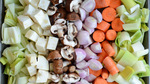
In this unit, you will be introduced to the fundamentals of vegetable preparation. Focus is given to preserving vegetable pigments, blanching, par-boiling, steaming and roasting a variety of fresh vegetables. |
|
Orientation
|
Unit Orientation
- Task 165: Unit Orientation & Objectives
- Task 166: Complete Your Self Assessment
- Task 167: Unit Pre-Assessment
|
|
|
Preserving Vegetable Pigments
- Task 168: Preserving Vegetable Pigments
- Task 169: Green Beans with Cambazola & Pinenuts
- Task 170: Lesson Practice Recipes
|
|
|
Cooking Vegetables in Water
- Task 171: Cooking Vegetables in Water
- Task 172: Understanding Cooking Times
- Task 173: Activity | Blanching, Parboiling & Fully Cooking
- Task 174: The Potato Experiment
- Task 175: Lesson Practice Recipes
|
|
|
Steaming Vegetables
- Task 176: Steaming Vegetables
- Task 177: Steamed Potatoes, Three Ways
- Task 178: Finishing Steamed Vegetables
- Task 179: Preparing & Reheating with Steam
- Task 180: Make Steamed Mashed Potatoes
- Task 181: Lesson Practice Recipes
|
|
|
How to Roast Vegetables
- Task 182: How to Roast Vegetables
- Task 183: Roasted Eggplant
- Task 184: Roasted Cauliflower
- Task 185: Estimated Roasting Times for Vegetables
- Task 186: Activity | Roasting Vegetables Practice
- Task 187: Lesson Practice Recipes
|
|
|
How to Purée Vegetables
- Task 188: Intro to How to Purée Vegetables
- Task 189: What are Puréed Vegetables?
- Task 190: Vegetable Purées | Components
- Task 191: How to Purée Vegetables
- Task 192: Holding and Serving
- Task 193: Lesson Practice Recipes
|
|
Review
|
Unit Review & Assessment
- Task 194: Unit Review & Quiz Preparation
|
End of Unit 9

|
In this unit, you will learn about the anatomy of an egg, about the techniques of boiling, scrambling, frying, basting, and poaching, and you will learn the secrets of delicious fluffy omelets and frittatas. |
|
Orientation
|
Unit Orientation
- Task 196: Unit Orientation & Objectives
- Task 197: Complete Your Self Assessment
- Task 198: Unit Pre-Assessment
|
|
|
Eggs | Anatomy, Boiling & Scrambling
- Task 199: Eggs | Anatomy, Boiling & Scrambling
- Task 200: Egg Schematic Test
- Task 201: Lesson Practice Recipes
|
|
|
Eggs | Frying, Basting & Poaching
- Task 202: Eggs | Frying, Basting & Poaching
- Task 203: Activity | Poach an Egg
- Task 204: Lesson Practice Recipes
|
|
|
How to Make an Omelet
- Task 205: How to Make an Omelet
- Task 206: Activity | Make an Omelet
- Task 207: Lesson Practice Recipes
|
|
|
How to Make a Frittata
- Task 208: How to Make a Frittata
- Task 209: Lesson Practice Recipes
|
|
|
How to Steam Eggs
- Task 210: How to Steam Eggs
- Task 211: Lesson Practice Recipes
|
|
Review
|
Unit Review & Assessment
- Task 212: Unit Review & Quiz Preparation
|
End of Unit 10
|
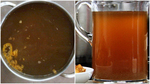
In this unit you will learn to prepare the most common types of stocks. Rouxbe will cover the preparation of dark stock, short stock, broths, chicken, veal, beef and vegetable stocks. |
|
Orientation
|
Unit Orientation
- Task 214: Unit Orientation & Objectives
- Task 215: Complete Your Self-Assessment
- Task 216: Unit Pre-Assessment
|
|
|
How to Make Stock | Fundamentals
- Task 217: How to Make Stock | Fundamentals
- Task 218: Activity | Prepare Stock
- Task 219: Lesson Practice Recipes
|
|
|
How to Make Dark Stock
- Task 220: How to Make Dark Stock
- Task 221: Lesson Practice Recipes
|
|
|
How to Make Short Stock
- Task 222: How to Make Short Stock
- Task 223: Lesson Practice Recipes
|
|
|
How to Make Broth
- Task 224: How to Make Broth
- Task 225: Lesson Practice Recipes
|
|
|
How to Make Veal Stock, Beef Stock & Fish Stock
- Task 226: How to Make Veal Stock, Beef Stock & Fish Stock
- Task 227: Lesson Practice Recipes
- Task 228: Reorder Activity & Rouxbe-Graded Submission
|
|
|
Plant-Based Stocks
- Task 229: Plant-Based Stocks | Introduction
- Task 230: Vegetable Stock
- Task 231: Dried & Fresh Bouillon
|
|
Review
|
Unit Review & Assessment
- Task 232: Unit Review & Quiz Preparation
|
End of Unit 11
|
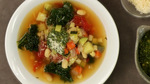
In this unit, you will be introduced to the four basic soup bases in this unit- broth-based clear, stock-based clear, roux-based, and starch-based. |
|
Orientation
|
Unit Orientation
- Task 234: Unit Orientation & Objectives
- Task 235: Complete Your Self Assessment
- Task 236: Unit Pre-Assessment
|
|
|
How to Make Broth-Based Clear Soup
- Task 237: How to Make Broth-Based Clear Soup
- Task 238: Lesson Practice Recipes
|
|
|
How to Make Stock-Based Clear Soup
- Task 239: How to Make Stock-Based Clear Soup
- Task 240: Activity | Stock-Based Clear Soups
- Task 241: Lesson Practice Recipes
|
|
|
How to Make Roux-Based Soup
- Task 242: How to Make Roux-Thickened Soup
- Task 243: Lesson Practice Recipes
|
|
|
How to Make Starch-Based Thick Soup
- Task 244: How to Make Starch-Based Thick Soup
- Task 245: Activity | Starch-Based Thick Soup
- Task 246: Lesson Practice Recipes
|
|
|
How to Make Consommé
- Task 247: Introduction to Consommé
- Task 248: Consommé | Clarification Components
- Task 249: Consommé | Getting Started
- Task 250: Consommé | Cooking the Raft
- Task 251: Consommé | Finishing Steps
|
|
Review
|
Unit Review & Assessment
- Task 252: Unit Review & Quiz Preparation
|
End of Unit 12

|
This quiz will assess a student's knowledge on all material covered up until this point in the course. Good luck. |
|
|
Course Challenge
- Task 254: Black Box Assignment #1
- Task 255: Course Review & Challenge Quiz Preparation
- Task 256: Course Challenge Quiz #1
|
End of Unit 13
|
This unit allows the cook to begin to build a nutritional foundation that will help shape decisions related to personal health and our food supply, and shed light on various dietary restrictions that could influence cooking. |
|
Orientation
|
Unit Orientation
- Task 257: Unit Orientation & Objectives
- Task 258: Complete Your Self Assessment
- Task 259: Unit Pre-Assessment
|
|
|
Basic Nutrition
- Task 260: Our Functional Foods Approach
- Task 261: Daily Nutrient Requirements Wheel
|
|
|
Diets and Dietary Restrictions
- Task 264: Understanding Ways of Eating
- Task 265: Different Ways of Eating By Choice
- Task 266: Allergies & Common Dietary Restrictions
- Task 267: Activity | Dietary Restrictions
|
|
|
Basics of Cooking for Health Support
- Task 268: Cooking as Health Support
- Task 269: The Cook as Health Ambassador
- Task 270: Basics of Health Supportive Cooking
|
|
Review
|
Unit Review & Assessment
- Task 271: Unit Review & Quiz Preparation
|
End of Unit 14
|
This unit introduces the cook to the techniques of correct and balanced seasoning. Brining, salting, cooking with herbs and marinating will be the main focus as you learn to build deep, delicious flavor in your dishes. |
|
Orientation
|
Unit Orientation
- Task 273: Unit Orientation & Objectives
- Task 274: Complete Your Self Assessment
- Task 275: Unit Pre-Assessment
|
|
|
Basic Seasoning
- Task 276: How to Season with Salt
- Task 277: Shopping Activity
- Task 278: Lesson Practice Recipes
|
|
|
How to Brine
- Task 280: Lesson Practice Recipes
|
|
|
How to Use and Cook with Herbs
- Task 281: How to Use and Cook with Herbs
- Task 282: Lesson Practice Recipes
|
|
|
Marinades
- Task 283: How to Marinate Foods
- Task 284: Lesson Practice Recipes
|
|
|
Fats & Oils
- Task 285: Fats & Oils | Introduction
|
|
|
Acids: Vinegars, Alcohol & Citrus
- Task 288: Acids: Vinegar, Alcohol & Citrus | Introduction
- Task 289: Choosing & Using Acids | Vinegar
- Task 290: Choosing & Using Acids | Citrus & Alcohol
|
|
Review
|
Unit Review & Assessment
- Task 291: Unit Review & Quiz Preparation
|
End of Unit 15
|
In this unit, you will learn how to create a classic roux, béchamel and veloute sauce. After learning these basic sauces, you will be able to expand the range of dishes that you can prepare. This unit will give you the opportunity to create delicious savory sauces such as classic tomato, pan sauces, butter based sauces and hollandaise. |
|
Orientation
|
Unit Orientation
- Task 293: Unit Orientation & Objectives
- Task 294: Complete Your Self Assessment
- Task 295: Unit Pre-Assessment
|
|
|
How to Make Roux
- Task 296: How to Make Roux
- Task 297: Lesson Practice Recipes
|
|
|
How to Make Béchamel Sauce
- Task 298: How to Make Béchamel Sauce
- Task 299: Lesson Practice Recipes
|
|
|
How to Make Velouté Sauce
- Task 300: How to Make Velouté
- Task 301: Lesson Practice Recipes
- Task 302: Activity | Make a Velouté
|
|
|
How to Make Tomato Sauce
- Task 303: How to Make Tomato Sauce
- Task 304: Lesson Practice Recipes
|
|
|
How to Make a Butter Sauce
- Task 305: How to Make a Butter Sauce
- Task 306: Lesson Practice Recipes
|
|
|
How to Make Hollandaise Sauce
- Task 307: How to Make Hollandaise Sauce
- Task 308: Lesson Practice Recipes
|
|
|
How to Make Demi-Glace
- Task 309: Intro to Demi-Glace & Derivative Sauces
- Task 310: What is Demi-Glace?
- Task 311: How to Make Demi-Glace
- Task 312: Sauce Espagnole
- Task 313: Varying Brown Sauces
- Task 314: Serving Demi-Glace Based Sauces
- Task 315: Lesson Practice Recipes
|
|
|
How to Make Pan Sauce
- Task 316: How to Make Pan Sauce
- Task 317: Lesson Practice Recipes
|
|
|
Plant-Based Sauces
- Task 318: Plant-Based Sauces | Introduction
- Task 320: Activity | Make Plant-Based White Sauce
|
|
|
Condiments & Quick Pickles
- Task 322: Condiments | Introduction
- Task 324: Relishes, Salsas, Spreads & Chutneys
|
|
Review
|
Unit Review & Assessment
- Task 325: Unit Review & Quiz Preparation
|
End of Unit 16
|
In this unit, you will learn about how to prepare rice by steaming and boiling and how to make a pilaf and a risotto. You will also be introduced to the concepts of cooking grains, and how to prepare polenta. |
|
Orientation
|
Unit Orientation
- Task 327: Unit Orientation & Objectives
- Task 328: Complete Your Self Assessment
- Task 329: Unit Pre-Assessment
|
|
|
Rice Basics
- Task 331: Shopping Activity
- Task 332: Lesson Practice Recipes
|
|
|
Cooking Rice | Steaming & Boiling Methods
- Task 334: Make Steamed Rice | Plain
- Task 335: Make Steamed Rice | Infused
- Task 336: Make Brown Rice Using a Flavorful Stock
|
|
|
Cooking Rice | Pilaf Method
- Task 337: Cooking Rice | Pilaf Method
- Task 338: Varying & Enhancing a Basic Pilaf
- Task 339: Make This Delicious Pilaf with Lentils
|
|
|
The Risotto Method & Varying Risotto
- Task 340: The Risotto Method
- Task 341: Lesson Practice Recipes
- Task 342: How to Vary Risotto
- Task 343: Activity | How to Vary Risotto
|
|
|
How to Cook Grains
- Task 344: How to Cook Grains
- Task 345: Shopping Activity
- Task 346: Cooking Grains Activity
- Task 347: Lesson Practice Recipes
- Task 348: Activity | Label the Wheat Diagram
- Task 349: Estimated Ratios & Cooking Times
- Task 350: Grains & Food Safety
- Task 351: Tips & Techniques For Grain Cookery
|
|
|
How to Make Polenta
- Task 352: How to Make Polenta
- Task 353: Lesson Practice Recipes
|
|
Review
|
Unit Review & Assessment
- Task 354: Unit Review & Quiz Preparation
|
End of Unit 17
|
In this unit, you will learn how to buy and store dried beans. You will learn how to prepare them for cooking and the advantages of and the various methods in which to soak them. You will also learn how to properly cook and test beans for doneness. |
|
Orientation
|
Unit Orientation
- Task 356: Unit Orientation & Objectives
- Task 357: Complete Your Self Assessment
- Task 358: Unit Pre-Assessment
|
|
|
How to Cook Dried Legumes
- Task 359: How to Cook Dried Legumes
- Task 360: Italian White Bean Soup
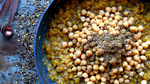
- Task 361: Chana Masala | Curried Chickpeas
- Task 362: Vegetable Tagine
- Task 363: Lesson Practice Recipes
- Task 364: Activity | Using Legumes
|
|
Review
|
Unit Review & Assessment
- Task 365: Unit Review & Quiz Preparation
|
End of Unit 18
|
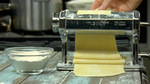
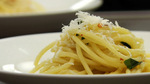
The elastic properties of gluten enable pasta to be stretched and shaped into the many different shapes and sizes of pasta.
In this unit, you will learn about gluten, how extruded and laminated pasta are made, the differences between them and when you might choose one over the other. You will also learn how to cook extruded and laminated pasta to perfection, every time. |
|
Orientation
|
Unit Orientation
- Task 367: Unit Orientation & Objectives
- Task 368: Complete Your Self Assessment
- Task 369: Unit Pre-Assessment
|
|
|
How to Select Pasta
- Task 370: How to Select Pasta Video Lesson
- Task 371: Shopping Activity
- Task 372: Lesson Practice Recipes
|
|
|
How to Cook Pasta
- Task 373: How to Cook Pasta Video Lesson
- Task 374: Reorder Sequence Activity
- Task 375: Activity | Cooking Pasta
- Task 376: Lesson Practice Recipes
|
|
|
How to Make Fresh Pasta | Laminated Pasta
- Task 377: How to Make Fresh Pasta | Laminated Pasta
- Task 378: Lesson Practice Recipes
|
|
|
How to Make Fresh Laminated Pasta | Egg & Dairy Free
- Task 379: How to Make Fresh Pasta | Eggless Laminated Pasta
- Task 380: Fresh Pasta Dough
- Task 381: Activity | Reorder: Making Fresh Pasta
- Task 382: Hand-Cut Papardelle
- Task 383: Activity | Making Plant-Based Manicotti
|
|
|
Other Global Noodles
- Task 384: Global Noodles | Introduction
- Task 385: Egg-Free Spaetzle
- Task 386: Activity | Udon Noodles
|
|
|
Gluten-Free Pastas
- Task 387: Gluten-Free Pastas & Grains
- Task 388: Selecting & Using Gluten-Free Grains
- Task 389: Activity | Gluten-Free Grains
- Task 390: Selecting & Using Gluten-Free Pasta
- Task 391: Lesson Practice Recipes
|
|
Review
|
Unit Review & Assessment
- Task 392: Unit Review & Quiz Preparation
|
End of Unit 19
|
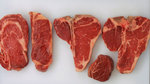
In this unit, you will learn how to identify the most popular premium cuts of steak that are on the market. You will also learn about the importance of marbling and how the type of aging impacts both the quality and cost of meat. You will also learn a few tips for how to choose the most appropriate steak to suit the type of meal you are making, and you will learn to prepare steaks for cooking and the best cooking techniques, including roasting prime rib. |
|
Orientation
|
Unit Orientation
- Task 394: Unit Orientation & Objectives
- Task 395: Complete Your Self Assessment
- Task 396: Unit Pre-Assessment
|
|
|
How Heat Affects Protein
- Task 397: Introduction to How Heat Affects Protein
- Task 398: The Basics of Coagulation
- Task 399: Moist-Heat Coagulation
- Task 400: Dry-Heat Coagulation
- Task 401: Tender vs. Tough Proteins
- Task 402: Protein | Indicators of Doneness
|
|
|
Beef | Premium Cuts of Steak
- Task 403: Beef | Premium Cuts of Steak
- Task 404: Labeling Sections of the Cow
|
|
|
Prepping Premium Steaks for Cooking
- Task 405: Prepping Premium Steaks for Cooking
- Task 406: Lesson Practice Recipes
|
|
|
How to Cook Premium Steaks
- Task 407: How to Cook Premium Steaks
- Task 408: Lesson Practice Recipes
|
|
|
How to Roast Prime Rib
- Task 409: How to Roast Prime Rib
- Task 410: Lesson Practice Recipes
|
|
|
Sausage Making
- Task 411: Introduction to Sausages
- Task 412: Selecting Ingredients
- Task 413: Necessary Equipment
- Task 414: Preparing the Meat & Spices
- Task 415: Stuffing & Linking the Sausages
- Task 416: Curing & Smoking
- Task 417: Practice Recipes
|
|
Review
|
Unit Review & Assessment
- Task 418: Unit Review & Quiz Preparation
|
End of Unit 20
|
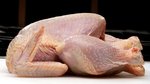
In this unit, you will learn about the basic anatomy of poultry and the difference between white and dark meat. You will learn how to break down a chicken, and how to carve a whole bird it once it is cooked. You will learn how to perfectly roast a whole chicken and create delicious gravies and enhancements to go with it. |
|
Orientation
|
Unit Orientation
- Task 420: Unit Orientation & Objectives
- Task 421: Complete Your Self Assessment
- Task 422: Unit Pre-Assessment
|
|
|
Poultry Fundamentals
- Task 423: Poultry Fundamentals
- Task 424: Breaking Down a Chicken
- Task 425: Lemon Chicken with Pine Nuts and Olives
- Task 426: Labeling Sections of Chicken
- Task 427: More Butchering Practice
- Task 428: Lesson Practice Recipes
|
|
|
How to Roast a Whole Chicken
- Task 429: How to Roast a Whole Chicken
- Task 430: Learn How to Roast & Carve a Chicken
- Task 431: Activity | Roast Chicken
- Task 432: Make Homemade Gravy
- Task 433: Lesson Practice Recipes
|
|
|
Enhancing Basic Roast Chicken
- Task 434: Enhancing Basic Roast Chicken
- Task 435: Lesson Practice Recipes
|
|
Review
|
Unit Review & Assessment
- Task 436: Unit Review & Quiz Preparation
|
End of Unit 21
|
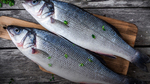
This unit introduces the cook to the fundamentals of proper buying, storing and cooking of a variety of fish. A focus is given to how to properly pan-fry fish. |
|
Orientation
|
Unit Orientation
- Task 438: Unit Orientation & Objectives
- Task 439: Complete Your Self Assessment
- Task 440: Unit Pre-Assessment
|
|
|
How to Buy & Store Fish
- Task 441: How to Buy & Store Fish
- Task 442: Lesson Practice Recipes
|
|
|
Cooking Fish Fundamentals
- Task 443: Cooking Fish Fundamentals
- Task 444: Lesson Practice Recipes
|
|
|
How to Pan Fry Fish
- Task 445: How to Pan Fry Fish
- Task 446: Activity | Pan Fry Fish
- Task 447: Lesson Practice Recipes
|
|
Review
|
Unit Review & Assessment
- Task 448: Unit Review & Quiz Preparation
|
End of Unit 22
|
This unit demonstrates methods for cooking high quality plant based dishes, which are increasingly important to know to meet consumer demand. It also provides instruction regarding to reduce sodium by using other flavor builders and cooking techniques.
|
|
Orientation
|
Unit Orientation
- Task 450: Unit Orientation & Objectives
- Task 451: Complete Your Self Assessment
- Task 452: Unit Pre-Assessment
|
|
|
Reducing Sodium
- Task 453: Reducing Sodium | Introduction
- Task 454: Building Flavor without Using Salt
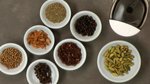
- Task 455: Activity | Spice & Seed Blends
- Task 456: Grinding & Toasting Your Own Spices
- Task 457: Lesson Practice Recipes
|
|
|
Basic Plant-Based Proteins
- Task 458: Plant-Based Proteins | Introduction
- Task 459: Working with Tempeh
- Task 460: Lesson Practice Recipes
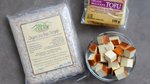
- Task 461: Working with Tofu
- Task 462: Activity | Working with Tofu
- Task 463: Working with Products on the Market
|
|
|
Plant-Based Dairy & Egg Alternatives
- Task 464: Plant-Based Dairy Alternatives | Introduction
- Task 465: Converting Recipes to Be Dairy-Free
- Task 466: Nut & Seed Milk
- Task 467: Lesson Practice Recipes
- Task 470: Sour Cream & Aioli
- Task 471: Cheese & Cheese Spreads
- Task 472: Lesson Practice Recipes
- Task 475: Working with Products on the Market
|
|
Review
|
Unit Review & Assessment
- Task 476: Unit Review & Quiz Preparation
|
End of Unit 23
|
In this unit, you will practice techniques and dishes with flavor profiles from around the world. You will have the opportunity to learn about specific foods and spices from regions that you find interesting and apply what you know about cooking techniques to create these international dishes. |
|
Orientation
|
Unit Orientation
- Task 478: Unit Orientation & Objectives
- Task 479: What to Expect in this Unit
- Task 480: Complete Your Self-Assessment
- Task 481: Unit Pre-Assessment
|
|
|
Researching World Cuisines
- Task 487: Researching Cuisines & Recipes | A Deeper Dive
- Task 488: Narrowing Your Research Topic
- Task 489: Finding & Selecting Resources
- Task 490: Activity | Explore a New Cuisine
|
|
Review
|
Unit Review & Assessment
- Task 491: Unit Review & Quiz Preparation
|
End of Unit 24
|
|
This quiz will assess a student's knowledge on all material covered up until this point in the course. Good luck. |
|
|
Course Challenge
- Task 493: Course Review & Challenge Quiz Preparation
- Task 494: Course Challenge Quiz #2
|
End of Unit 25
|
In this unit, you will learn about gluten, flour, yeast, water and salt and their functions in bread making. You will learn how to be able to correctly identify the anatomy of a grain. You will also learn about the necessary tools and stages required for making basic bread, how to shape and epi and how to make successful crepes. |
|
Orientation
|
Unit Orientation
- Task 495: Unit Orientation & Objectives
- Task 496: Complete Your Self Assessment
- Task 497: Unit Pre-Assessment
|
|
|
Baking Basics
- Task 498: Introduction to Baking Basics
- Task 499: Measuring & Mise en Place
- Task 500: Common Mixing Methods & Techniques
- Task 501: Basic Baking Ingredients: Flour, Sugar & Fat
- Task 502: Basic Baking Ingredients: Leaveners
- Task 503: Preparing to Bake
- Task 504: What Happens During Baking
|
|
|
Wheat & Gluten
- Task 505: Wheat & Gluten Lesson
- Task 506: Label the Wheat Diagram
- Task 507: Store Observation Activity
- Task 508: Lesson Practice Recipes
- Task 509: Image Select: Developing Gluten
|
|
|
Quick Breads
- Task 510: Quick Bread | Introduction
- Task 511: Quick Bread Basics
- Task 513: Creaming Method
- Task 515: Lesson Practice Recipes
|
|
|
How to Make Bread | Basics
- Task 516: How to Make Bread | Basics
- Task 517: Lesson Practice Recipes
|
|
|
Stages of Bread Making
- Task 518: Stages of Bread Making
- Task 519: Lesson Practice Recipes
|
|
|
How to Shape an Epi
- Task 520: How to Shape Pain d'Épi
|
|
Review
|
Unit Review & Assessment
- Task 521: Unit Review & Quiz Preparation
|
End of Unit 26
|
This unit focuses on a key introductory lessons in doughs, custards and souffles - all essential techniques that have virtually limitless applications and variations in the pastry kitchen. |
|
Orientation
|
Unit Orientation
- Task 523: Unit Orientation & Objectives
- Task 524: Complete Your Self Assessment
- Task 525: Unit Pre-Assessment
|
|
|
How to Make Pâte Brisée
- Task 526: Introduction to Pâte Brisée
- Task 527: Pâte Brisée | Basic Ingredients
- Task 528: Basic Ratios | Mealy & Flaky
- Task 529: Preparing to Bake Pie & Tart Dough
- Task 530: Pâte Brisée | Rolling & Assembly
- Task 531: Pie & Tart Dough | Baking
- Task 532: Storing Pâte Brisée Dough
- Task 533: Activity | Pâte Brisée
|
|
|
Pâte Sucrée
- Task 534: Introduction to Pâte Sucrée
- Task 535: What is Pâte Sucrée?
- Task 536: Pâte Sucrée | Mixing, Resting & Chilling
- Task 537: Pâte Sucrée | Rolling & Lining
- Task 538: Pâte Sucrée | Baking & Storing
- Task 539: Troubleshooting Pâte Sucrée Dough
- Task 540: Lesson Practice Recipes
|
|
|
How to Make Pâte à Choux
- Task 541: Introduction to Pâte à Choux
- Task 542: Ingredients for Pâte à Choux
- Task 543: How to Make Pâte à Choux
- Task 544: Piping & Filling Pâte à Choux
|
|
|
How to Make Crêpes
- Task 545: How to Make Crêpes
- Task 546: Lesson Practice Recipes
|
|
|
Custards
- Task 547: Basics of Custards
- Task 548: Custard Categories & Ingredient Function
- Task 550: Stirred Custard
- Task 552: Custard Fillings for Pies & Tarts
- Task 553: Finishing, Serving & Storing Pies & Tarts
- Task 554: Lesson Practice Recipes
|
|
|
How to Make Soufflés
- Task 555: Introduction to How to Make Soufflés
- Task 556: How Soufflés Work
- Task 557: Soufflés | Main Components
- Task 558: Preparing to Make Soufflés
- Task 559: How to Make Soufflés
- Task 560: Baking Soufflés
- Task 561: Lesson Practice Recipes
|
|
Review
|
Unit Review & Assessment
- Task 562: Unit Review & Quiz Preparation
|
End of Unit 27
|
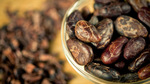
In this unit, you will learn about the basics of chocolate. You will learn about the cacao tree and how cacao beans are processed, and you will learn the basics: cocoa powder, dutching and cocoa butter. You will learn how chocolate is processed into varieties of dark, milk and white chocolate, and you will prepare chocolate based recipes. |
|
Orientation
|
Unit Orientation
- Task 564: Unit Orientation & Objectives
- Task 565: Complete Your Self Assessment
- Task 566: Unit Pre-Assessment: Chocolate
|
|
|
Basics of Quality Chocolate
- Task 567: Basics of Quality Chocolate
- Task 568: Lesson Practice Recipes
- Task 569: Activity | Chocolate Ganache Torte
|
|
Review
|
Unit Review & Assessment
- Task 570: Unit Review & Quiz Preparation
|
End of Unit 28
|
Good luck! This course covered a very large amount of content, and this final is _comprehensive_ and thus derives questions from all previous units in the course.
Go back and review previous practice quizzes (in lessons) and flash cards (in unit reviews) to sharpen your mind before you take the final exam. |
|
|
Map of Cooking Course Review
- Task 572: Black Box Assignment #2
|
|
Review
|
Course Review
- Task 573: Survey | Share Your Course Feedback
- Task 574: Course Review & Exam Preparation
- Task 575: Course Final Exam
- Task 576: Get Your Professional Cook Pro Badge
- Task 577: Books, Websites & Other References
|
End of Unit 29
|
Course Description
Rouxbe’s Professional Cook Certification is the world’s leading online certification course for aspiring cooks, culinary students, those already working in the food and culinary industry or for anyone who seeks an intensive immersion in culinary skill and knowledge development.
This course focuses on foundational and fundamental skills development and reinforcement; universal and widely adopted methods and techniques of cooking as well as recipes and activities that reinforce the same principles taught in professional culinary schools around the world. This comprehensive 200-hour course covers a full basic professional cooking school curriculum including, but not limited to: kitchen and food safety, knife skills, stocks, sauces, moist- and dry-heat cooking methods, seasoning, egg cookery, vegetables, meat, poultry, fish, pasta, whole grains, legumes, basic breads and baking, salads and dressings, plating and presentation, and culinary nutrition.
The Professional Cook Certification course contains various types of learning activities, practice recipe exercises, flash cards and Rouxbe-graded competency assessments. While the course is designed to follow a structured learning sequence, this course can be used to complement and enhance any culinary training program or your existing professional development needs.
Course Highlights
Course Objectives
|