The Cook's Roadmap: An Introduction

Show Full Syllabus
Unit 1: Course Orientation
View Tasks
The Cook's Roadmap, Level 1 is designed to offer a comprehensive introduction to cooking. The orientation welcomes students to the Rouxbe Online Cooking School and explains the way we have organized and structured the courses. The orientation unit also sets forth expectations that we have for our students and frames what you can expect from the Rouxbe team and your educational experience.
Orientation
Course Orientation - Cook's Roadmap Level 1
  • Task 1: Welcome to the Rouxbe Culinary School
  • Task 2: Series and Course Overview
  • Task 3: Course Structure & Assessments
  • Task 4: What We Expect from You
  • Task 5: What You Can Expect From Rouxbe
  • Task 6: What’s the Big Deal With the Path?
  • Task 7: Kitchen Tools Useful for This Course
  • Task 8: Stocking Your Pantry Items for This Course
  • Task 9: Keys to Food Safety
  • Task 10: Quick Safety Quiz
  • Task 11: Complete Your Course Self Assessment
End of Unit 1
Unit 2: Knife Skills
View Tasks
This unit charts a path for you to become more comfortable and proficient with handling a knife. Since a knife is the most important tool in the kitchen, we offer guidance on how to select and care for your knives while giving you ample opportunity to practice your skills.
Orientation
Unit Orientation
  • Task 12: Unit Orientation & Objectives
  • Task 13: You Are What You Cut
  • Task 14: Unit Pre-Assessment
Lesson 1: Selecting a Knife Set
  • Task 15: Selecting a Kitchen Knife Set
  • Task 16: Practice Quiz
Lesson 2: Proper Knife Handling
  • Task 17: Handling a Chef's Knife
  • Task 18: The Bench Scraper Practice Activity
  • Task 19: Hone Your Knife Practice
  • Task 20: Cut 10 Feet of Celery
  • Task 21: Practice Quiz
Lesson 3: How to Cut with a Chef’s Knife
  • Task 22: How to Cut Using a Chef's Knife
  • Task 23: Dicing Ingredients Practice
  • Task 24: Prepare a Raw Vegetable Salsa
  • Task 25: Make Minestrone Soup
  • Task 26: Practice Quiz
Review
Unit Review
  • Task 27: Unit Review & Quiz Preparation
  • Task 28: Unit 2 Assessment Quiz
End of Unit 2
Unit 3: Course Foundations
View Tasks
This unit introduces Rouxbe's Map of Cooking and explains the importance of the individual steps and discrete processes that go into cooking food. A whole foods nutritional foundation will be laid to help you understand about the why and how behind selecting nutrient dense food.
Orientation
Unit Orientation
  • Task 29: Unit Orientation & Objectives
  • Task 30: Unit Pre-Assessment
Lesson 4: What is the Map of Cooking
  • Task 31: Discover the Map of Cooking
Lesson 5: Cooking Methods
  • Task 32: Cooking Methods
  • Task 33: Methods Covered in This Course
Lesson 6: Our Whole Foods Approach
  • Task 34: Our Whole Foods Approach
  • Task 35: Our Whole Foods Philosophy
  • Task 36: Where Does Your Food Come From?
  • Task 37: Refined & Processed Foods
  • Task 38: Whole Foods and Nutrient-Dense Foods
  • Task 39: Daily Nutrient Requirements Wheel
  • Task 40: Macronutrients
  • Task 41: Micronutrients
  • Task 42: Tips for Healthy Living
  • Task 43: Shopping Strategies
  • Task 44: Strategies for Stocking Your Pantry
  • Task 45: Practice Quiz
Lesson 7: Basic Seasoning
  • Task 46: How to Season with Salt
  • Task 47: Shopping Activity
  • Task 48: Practice Quiz
Review
Unit Review
  • Task 49: Unit Review & Quiz Preparation
  • Task 50: Unit 3 Assessment Quiz
End of Unit 3
Unit 4: Dry-Heat Cooking Methods, Part 1
View Tasks
This unit focuses on dry heat cooking methods. It will introduce some foundational information on how to heat a pan so you can properly pan fry food, and you will focus on the techniques of sweating and roasting, both of which help build flavor in your food.
Orientation
Unit Orientation
  • Task 51: Unit Orientation & Objectives
  • Task 52: Unit Pre-Assessment
Lesson 8: Introduction to Pan Frying
  • Task 53: Pan Frying
  • Task 54: Perform the Water Test
  • Task 55: Pan Frying Challenge Questions
  • Task 56: Pan Fry Chicken Breast Medallions
  • Task 57: Pan Frying Thick vs. Thin Ingredients
  • Task 58: Practice Quiz
Lesson 9: Sweating
  • Task 59: How to Sweat Ingredients
  • Task 60: Sweating for Flavor Development
  • Task 61: Make a Tomato Sauce
  • Task 62: Practice Quiz
Lesson 10: How to Roast Vegetables
  • Task 63: How to Roast Vegetables
  • Task 64: Roasted Brussels Sprouts
  • Task 65: Roasted Cauliflower
  • Task 66: Roasted Potatoes | Hasselback Potatoes
  • Task 67: Practice Quiz
Lesson 11: Poultry Fundamentals
  • Task 68: Poultry Fundamentals
  • Task 69: Break Down a Chicken
  • Task 70: Lemon Chicken with Pine Nuts and Olives
  • Task 71: Practice Quiz
Lesson 12: How to Roast a Whole Chicken
  • Task 72: How to Roast a Whole Chicken
  • Task 73: Learn How to Roast & Carve a Chicken
  • Task 74: Make Homemade Gravy
  • Task 75: Practice Quiz
Review
Unit Review
  • Task 76: Unit Review & Quiz Preparation
  • Task 77: Unit 4 Assessment Quiz
End of Unit 4
Unit 5: Moist-Heat Cooking Methods, Part 1
View Tasks
This unit focuses on moist heat cooking methods. Using submersion methods, you will learn about and then practice stock making, poaching and simmering. Moist methods provide a learning platform through which to create a variety of delicious dishes that all use the power of hot liquid or steam for their preparation.
Orientation
Unit Orientation
  • Task 78: Unit Orientation & Objectives
  • Task 79: Unit Pre-Assessment
Lesson 13: Submersion Cooking Methods
  • Task 80: Submersion Cooking Methods
  • Task 81: Submersion Activity
  • Task 82: Make Vegetable or Court Bouillon
  • Task 83: Soup Practice
  • Task 84: Practice Quiz
Lesson 14: Preserving Vegetable Pigments
  • Task 85: Preserving Vegetable Pigments
  • Task 86: Vegetables: The New Main Course
  • Task 87: Green Beans with Cambazola & Pinenuts
  • Task 88: Avocado Snack Options
  • Task 89: Practice Quiz
Lesson 15: Cooking Vegetables in Water
  • Task 90: Cooking Vegetables in Water
  • Task 91: Understanding Cooking Times
  • Task 92: Blanching & Parboiling
  • Task 93: The Potato Experiment
  • Task 94: Practice Quiz
Lesson 16: Steaming Introduction
  • Task 95: Steaming Introduction
  • Task 96: Practice Quiz
Lesson 17: Steaming Basics
  • Task 97: Steaming Basics
  • Task 98: Steam Marinated Chicken
  • Task 99: Steam Broccoli with Bragg Liquid Aminos
  • Task 100: Practice Quiz
Lesson 18: Steaming Vegetables
  • Task 101: Steaming Vegetables
  • Task 102: Steamed Potatoes, Three Ways
  • Task 103: Finishing Steamed Vegetables
  • Task 104: Preparing & Reheating with Steam
  • Task 105: Practice Quiz
  • Task 106: Make Steamed Mashed Potatoes
Review
Unit Review
  • Task 107: Unit Review & Quiz Preparation
  • Task 108: Unit 5 Assessment Quiz
End of Unit 5
Unit 6: How to Make Salad & Salad Dressing
View Tasks
This unit focuses on various kinds of salads, salad dressings and vinaigrettes. It guides you through an overview of the various kinds of salad greens and offers insight into how to select, handle and prepare these foods. We highlight the ingredients that are important to vinaigrettes and dressings—such as olive oil, vinegar and basic seasonings that build flavor.
Orientation
Unit Orientation
  • Task 109: Unit Orientation & Objectives
  • Task 110: Unit Pre-Assessment
Lesson 19: Salad Greens | Selecting & Preparing
  • Task 111: Salad Greens | Selecting & Preparing
  • Task 112: Quality Olive Oils for Salads
  • Task 113: How to Choose Quality Balsamic Vinegar
  • Task 114: Get to Know Your Greens!
  • Task 115: Practice Quiz
Lesson 20: Salad Dressing & Vinaigrette
  • Task 116: Salad Dressing & Vinaigrette
  • Task 117: How to Prepare Dressings & Vinaigrettes
  • Task 118: Make Carrot Salad
  • Task 119: Make a Tossed Salad
  • Task 120: Make Salade Lyonnaise
  • Task 121: Expanding Your Vinaigrette Repertoire
  • Task 122: Make Soy-Sesame Vinaigrette
  • Task 123: Practice Quiz
Review
Unit Review
  • Task 124: Unit Review & Quiz Preparation
  • Task 125: Unit 6 Assessment Quiz
End of Unit 6
Unit 7: Rice & Grains
View Tasks
This unit introduces rice and grain cookery with attention to basic cooking techniques and flavor development processes. As the unit progresses, you will branch off and learn about whole grains and their culinary uses.
Orientation
Unit Orientation
  • Task 126: Unit Orientation & Objectives
  • Task 127: Unit Pre-Assessment
Lesson 21: Rice Basics
  • Task 128: Rice Basics
  • Task 129: Shopping Activity
  • Task 130: Practice Quiz
Lesson 22: Cooking Rice
  • Task 131: Cooking Rice
  • Task 132: Make Steamed Rice | Plain
  • Task 133: Make Steamed Rice | Infused
  • Task 134: Make Brown Rice Using a Flavorful Stock
  • Task 135: Practice Quiz
Lesson 23: Cooking Rice | Pilaf Method
  • Task 136: Cooking Rice | Pilaf Method
  • Task 137: Make Rice Pilaf
  • Task 138: Varying & Enhancing a Basic Pilaf
  • Task 139: Make This Delicious Pilaf with Lentils
  • Task 140: Practice Quiz
Lesson 24: How to Cook Grains
  • Task 141: How to Cook Grains
  • Task 142: Shopping Activity
  • Task 143: Cooking Grains Activity
  • Task 144: Practice Quiz
Review
Unit Review
  • Task 145: Unit Review & Quiz Preparation
  • Task 146: Unit 7 Assessment Quiz
End of Unit 7
Unit 8: Learn About Wheat & Gluten
View Tasks
In this unit, you get an inside look into gluten; the unique component in wheat that enables us to prepare a variety of common food products from bread to pasta. You will learn what gluten is, what nutritional implications it can have, where it comes from and what culinary functions it serves. At the end of this unit you will prepare a delicious pizza from scratch to share with your friends.
Orientation
Unit Orientation
  • Task 147: Unit Orientation & Objectives
  • Task 148: Unit Pre-Assessment
Lesson 25: Wheat & Gluten
  • Task 149: Wheat & Gluten Video Lesson
  • Task 150: Label the Wheat Diagram
  • Task 151: Store Observation Activity
  • Task 152: Health Considerations with Gluten
  • Task 153: Practice Quiz
Lesson 26: Make Pancake Recipes
  • Task 154: Prepare Pancake Batter
Lesson 27: Make Pizza
  • Task 155: Make Homemade Pizza
Review
Unit Review
  • Task 156: Unit Review & Quiz Preparation
  • Task 157: Image Select Activity: Developing Gluten
  • Task 158: Unit 8 Assessment Quiz
End of Unit 8
Unit 9: Learn About Pasta
View Tasks
The elastic properties of gluten enable pasta to be stretched and shaped into the many different shapes and sizes of pasta. In this unit, you will learn how extruded and laminated pasta are made, the differences between them and when you might choose one over the other. You will also learn how to cook extruded and laminated pasta to perfection, every time.
Orientation
Unit Orientation
  • Task 159: Unit Orientation & Objectives
  • Task 160: Unit Pre-Assessment
Lesson 28: How to Select Pasta
  • Task 161: How to Select Pasta Video Lesson
  • Task 162: Shopping Activity
  • Task 163: Practice Quiz
Lesson 29: How to Cook Pasta
  • Task 164: How to Cook Pasta Video Lesson
  • Task 165: Quality Olive Oils for Pasta
  • Task 166: Make Spaghetti Aglio e Olio
  • Task 167: Make Spaghetti and Meatballs with Vegetarian Option
  • Task 168: Make Pasta Boscaiola
  • Task 169: Reorder Sequence Activity
  • Task 170: Practice Quiz
Review
Unit Review
  • Task 171: Unit Review & Quiz Preparation
  • Task 172: Unit 9 Assessment Quiz
End of Unit 9
Unit 10: Final Assessment
View Tasks
This is where it all comes together. In this unit, you will be given your final assessment on the material that is covered in the preceding units.
Course Review & Final Assessment
  • Task 173: Dinner Party Assignment
  • Task 174: Your Final Exam Preparation
  • Task 175: Final Course Assessment
End of Unit 10

Course Description

In this course, you will learn how to handle your chef's knife like a pro. You will learn about basic nutrition, including macro- and micro-nutrients are and how they fit into your diet. This course will also teach you how to roast the perfect chicken, delicious roasted vegetables, pan-frying, roasting, steaming, sweating, making salads, how to cook grains, pasta and so much more.

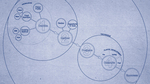
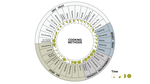
You will also learn about the Map of Cooking, a framework for thinking about cooking food, modeled after the thought process of real professional chefs. This top-down view helps students not only understand the landscape of cooking, but breaks cooking down into clear, conceptual pieces that can be mixed and matched to better understand, master or create new dishes.

This course can be taken on demand, at your own pace. Once purchased, you have access to the course content.

Course Highlights

  • Online cooking course
  • Self-paced online learning & instructor support
  • Over 25 instructional video lessons focus on key techniques
  • Step-by-step supported learning
  • Over 80 delicious video and text recipes
  • Fun interactive knowledge quizzes
  • Practice activities that will build your confidence
  • Private Hello Fresh student community access
  • Earn a "Certificate of Completion"

Course Objectives

  • Begin to handle your knife like a pro
  • Learn about whole foods and how they impact your health
  • Learn to make delicious salads and dressings
  • Be able to cook fluffy grains and tender legumes
  • Learn to create homemade pizza and perfectly al dente pasta
  • Learn how to steam and roast delicious, nutrient-dense vegetable dishes
  • Apply dry-heat methods, master the fry pan and roast the perfect chicken
  • Understand moist-heat techniques, such as steaming, poaching and simmering
  • Understand stocks, how to prepare and how to use them to boost flavor
  • Gain the skills to start improving your health by cooking from scratch