Tips & Techniques > How to Choose Olive Oil
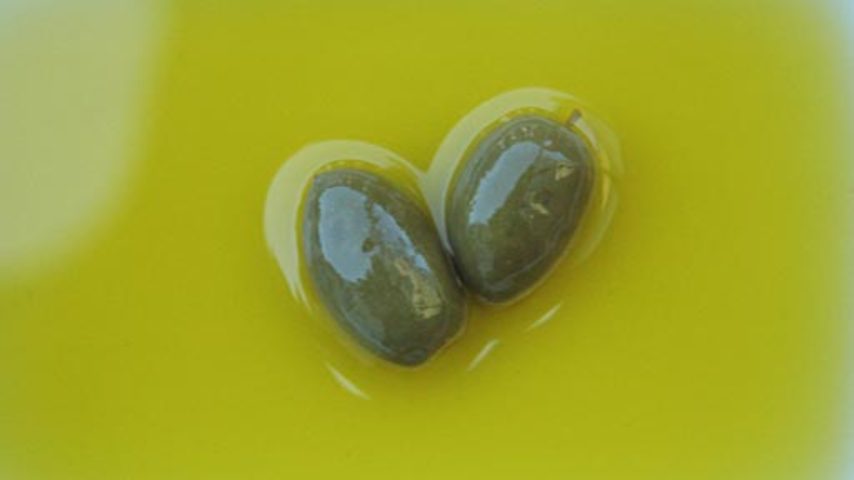
Olive oil is the most praised ingredient in the Mediterranean diet and has been for thousands of years. It is recognized for its distinctive flavor and health benefits. Quality olive oil is just like quality wine, as much depends on the harvest crop, terroir, and how it’s made. The best olive oils are made, much like wines, by harvesting olives at their peak, crushing them, then pressing the mash. The oil is separated from the run-off, filtered or unfiltered, then bottled – all done on the estate where the olives came from. This artisanal approach produces authentic, first- or cold-pressed, extra-virgin olive oil of the highest quality. It is also quite expensive.
To get more out of the first-pressed, leftover mash, machines are used along with solvents and heat to extract more oil and then expelled with a centrifuge. This refined product becomes a compromised version of the real deal. Its only advantage is its higher smoking point, and relatively cheaper price. However, these oils are bottled and often sold with deceiving labels, with words such as “Pure”, and even “Extra-Virgin”.
Keep in mind that the best quality olive oil is – or should be – sold in dark bottles or in tins, as light is the enemy to olive oil, especially unrefined olive oil. An olive oil’s color, much like that of a wine, indicates its flavor profile, rather than its quality. In general, a darker-green olive oil tends to be more fruity and grassy; whereas, a yellow-colored olive oil, when unrefined, tends to have spicier, biting notes. So, it’s best not to judge the quality of an olive oil by its color. Key information about its quality is on the bottle itself.
These are the indicators to look for on the label. The more indicators listed on the bottle, the higher the quality, nutritional value and flavor of the olive oil. Cold/First-Pressed, Extra-Virgin (estate made) is the most expensive of olive oils.
First or Cold Pressed:
Indicates 100% of the oil has been extracted without steam or chemical treatment. Without this label, any percentage of the oil can be extra-virgin mixed with oil that has been treated.
Extra-Virgin Olive Oil:
It must indicate first run-off or cold pressed, which means it is 100% extra-virgin. Without this indictor, it generally means that it is cut with another lesser quality oil, which is sometimes not even olive oil.
Estate-Made:
Like wines, estate-made means more artisanal care and authenticity went into the making of the olive oil.
Unfiltered:
Estate-made olive oils are usually sold unfiltered to capture all of the oil’s complexity. Olive oil connoisseurs, like wine enthusiasts, do not mind a bit of sediment.
Certified Organic:
Meaning the olives and trees themselves are as free of pesticides and herbicides as possible. They also tend to be unfiltered.
Acidity<1%:
Ideally, an acidity of less than 1% is desirable. Higher acidity levels mean a lesser crop of olives was harvested. This compromises the oil’s flavor and shelf life. If labels do not include acidity levels, it generally means they are higher than 1%.
D.O.P.:
Olive oils from Italy which are marked DOP mean they come from a particular region. This ‘denomination of origin’ label is a guarantee that that the oil has been produced to meet the standards of the local government.
Note: All of the above are high in flavor and are best used for salads, sauces and for finishing dishes.
________________________________________________
If the label is marked only with the following, it generally indicates a lower-quality olive oil.
Pure Olive Oil:
This is an undetermined blend of pomace and extra-virgin olive oil.
Pomace Olive Oil:
Pomace is the oil extracted from the remaining mash from the first pressing of the crushed olives. This oil is 100% refined and treated and is usually the cheapest olive oil with little flavor. It is best used for frying.
Buying Olive Oil:
When buying olive oil, look for one that comes in a dark bottle or tin, as both light and heat can destroy it. As a result, olive oil should always be stored in a cool, dark place.
Both green and golden-colored olive oils are equally good. The color difference is simply due to the natural pigment in the olives. Also, depending on the place of origin, an olive oil will have a distinct color and flavor associated with that region, just like wine.
Once cooked, olive oil loses its flavor and many of its valuable health benefits. It’s best to use high-quality olive oil in its raw state to finish a dish. If you want to use a high-quality olive oil for cooking (to add flavor), but are concerned about the cost, try blending it with a less expensive neutral oil, such as grapeseed or safflower (1 part olive oil to 3 parts neutral oil). High-quality olive oil that is properly stored has a shelf life of well over a year.