|
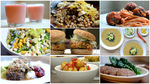
Welcome to the Rouxbe Cooking School. Before you begin learning about how to cook and eat more plant-based foods, we want to be sure that you understand the course structure and how the learning platform works. We also want to explain what we expect of you as a student, and what you can expect from us. This introductory unit sets the stage for your learning. |
|
|
Course Orientation
- Task 1: Welcome to the Rouxbe Culinary School
- Task 2: What to Expect in This Course
- Task 3: How to Learn With Rouxbe
- Task 4: Meet Your Instructors
- Task 6: Live Events | Here to Help!
|
|
|
Complementary Skills for Culinarians
- Task 7: Teamwork & Operational Awareness
- Task 8: The Basics of Being a Team Member
- Task 9: Problem Solving and Judgment
- Task 10: Proactive vs. Reactive Problem Solving
- Task 12: Professional Presence & Appearance
|
End of Unit 1
|
|
The Basics
- Task 13: Introduction to Smartphone Food Photography
- Task 14: Setting Your Scene/Photo Mise en Place
|
|
|
Smartphone Camera Lens
- Task 17: Activity | Portrait Mode
|
|
|
Lighting
- Task 19: Activity | Lighting
|
|
|
Make Your Go-To Dish
- Task 20: Things to Remember Before You Take The Shot
- Task 21: Activity | Make Your Go-to Dish
|
End of Unit 2
|
This unit gets you ready to cook and set up for success. You'll learn about stocking your kitchen with the necessary ingredients and tools, as well as the basics of plant-based nutrition. You will also learn more about making plant-based choices and, ultimately, why it's important to be able to cook plants and build healthful, delicious meals. |
|
Orientation
|
Unit Orientation
- Task 22: Unit Orientation & Objectives
- Task 23: What to Expect in this Unit
- Task 24: Complete Your Self-Assessment
- Task 25: Unit Pre-Assessment
|
|
|
Making Choices
- Task 26: Making Choices | Introduction
- Task 27: Whole & Nutrient-Dense Foods
- Task 28: Activity | Select the Whole Foods
- Task 29: Refined & Processed Foods
- Task 30: Activity | Kale Sensory Assignment
|
|
|
Plant-Based Nutrition Overview
- Task 31: Plant-Based Nutrition | Introduction
- Task 32: Overview of Plant-Based Diets
- Task 33: Debunking Myths | Part 1
- Task 34: Debunking Myths | Part 2
- Task 36: Activity | Image Select: Protein
- Task 38: Vitamin B12 & Good Fats
- Task 39: Activity | Whole Food Fats
|
|
|
Reading Labels
- Task 40: Identifying Ingredients | Introduction
- Task 41: Identifying Ingredients
- Task 42: Sugar by Another Name
- Task 43: How Sugar & Fat Affect Your Body & Mind
- Task 44: Additives & Preservatives
- Task 45: Activity | Hidden Sugars
|
|
|
Resetting Your Refrigerator & Pantry
- Task 46: Resetting Your Refrigerator & Pantry | Introduction
- Task 47: Shopping Strategies
- Task 49: Stocking Your Kitchen
- Task 50: Activity | Kitchen Reset
|
|
|
Getting Started: Kitchen Tools & Equipment
- Task 51: Kitchen Tools & Equipment | Introduction
- Task 52: A Comprehensive Look at Kitchen Tools
- Task 53: Additional Specialty Items for Plant-Based Cooking
- Task 54: Mise En Place & Storing
|
|
|
Introducing the Map of Cooking
- Task 55: Discover the Map of Cooking
- Task 56: Applying the Map of Cooking
|
|
|
Kitchen Safety Basics
- Task 57: Introduction to Kitchen Safety
- Task 58: Types of Hazards
|
|
|
Handwashing
- Task 60: Introduction to Handwashing
- Task 61: When to Wash Your Hands
- Task 62: Proper Handwashing
|
|
Review
|
Unit Review & Assessment
- Task 64: Unit Review & Quiz Preparation
|
End of Unit 3

|
This unit charts a path for you to become more comfortable and proficient with handling a knife. Here you will learn about knife selection, handling, safety and extensive technique around specific knife cuts.
|
|
Orientation
|
Unit Orientation
- Task 66: Unit Orientation & Objectives
- Task 67: What to Expect in this Unit
- Task 68: Complete Your Self Assessment
- Task 69: Unit Pre-Assessment
|
|
|
Selecting a Knife Set
- Task 70: Selecting a Kitchen Knife Set
- Task 71: Label the Parts of a Chef's Knife
|
|
|
Proper Knife Handling
- Task 72: Handling a Chef's Knife
- Task 73: Activity | Bench Scraper Practice
|
|
|
How to Cut with a Chef’s Knife
- Task 74: How to Cut Using a Chef's Knife
- Task 75: Activity | Label Knife Cuts
- Task 76: Activity | Dicing Exercise
- Task 77: Activity | Knife Cut Variations
|
|
|
Sharpening Your Knife
- Task 78: Knife Sharpening with a Whetstone
|
|
Review
|
Unit Review & Assessment
- Task 79: Unit Review & Quiz Preparation
|
End of Unit 4
|
This unit focuses on seasoning and flavor combinations. We'll discuss salt, fats, acids, sweeteners, and herbs and spices, and how to use them to create balanced, exciting flavor profiles within your recipes and menus. You will learn how to alter or manipulate textures in food to make them more palatable and attractive, and you'll get an introduction to using starches and stabilizers, emulsifiers and gelling ingredients.
|
|
Orientation
|
Unit Orientation
- Task 81: Unit Orientation & Objectives
- Task 82: What to Expect in this Unit
- Task 83: Complete Your Self Assessment
- Task 84: Unit Pre-Assessment
|
|
|
Basic Seasoning
- Task 85: How to Season with Salt
- Task 87: Umami Practice Activity
|
|
|
Fats & Oils
- Task 88: Fats & Oils | Introduction
- Task 89: Using Oils for Cooking
|
|
|
Acids: Vinegars, Alcohol & Citrus
- Task 91: Acids: Vinegars, Alcohol & Citrus | Introduction
- Task 92: Choosing & Using Acids | Vinegars
- Task 93: Choosing & Using Acids | Citrus & Alcohol
- Task 94: Activity | Acids
|
|
|
Sweeteners
- Task 95: Sweeteners | Introduction
- Task 96: Choosing & Using Sweeteners
- Task 97: How to Make Fruit Pastes
|
|
|
Herbs & Spices
- Task 98: How to Use & Cook with Herbs | Introduction
- Task 99: Combining Herbs & Spices
- Task 100: Grinding & Toasting Your Own Spices
- Task 101: Lesson Practice Recipes
|
|
|
Thickeners, Gels & Stabilizers
- Task 102: Thickeners, Gels & Stabilizers | Introduction
- Task 103: Starches & Gums
- Task 105: Using Coconut Oil & Butter
- Task 106: Advanced Technique Spotlight
- Task 107: Activity| Agar Agar
|
|
Review
|
Unit Review & Assessment
- Task 108: Black Box Assignment #1
- Task 109: Unit Review & Quiz Preparation
|
End of Unit 5

|
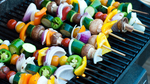
This unit focuses on moist-heat cooking methods, such as steaming and submersion, simmering and boiling, and the importance of preserving vegetable pigments for health and presentation. It also addresses how to properly finish steamed vegetables for extra flavor and appeal.
|
|
Orientation
|
Unit Orientation
- Task 111: Unit Orientation & Objectives
- Task 112: What to Expect in this Unit
- Task 113: Complete Your Self Assessment
- Task 114: Unit Pre-Assessment
|
|
|
Steaming Vegetables
- Task 115: Steaming Fundamentals
- Task 116: Steaming Vegetables
- Task 117: Finishing Steamed Vegetables
- Task 118: Activity | Reorder: Steaming
|
|
|
Preserving Vegetable Pigments
- Task 119: Preserving Vegetable Pigments
|
|
|
Cooking Vegetables in Water | Submersion
- Task 120: Submersion Cooking Methods
- Task 121: Cooking Vegetables in Water
- Task 122: Activity | Blanching & Parboiling
- Task 123: The Potato Experiment
- Task 124: Lesson Practice Recipes
|
|
Review
|
Unit Review & Assessment
- Task 125: Unit Review & Quiz Preparation
|
End of Unit 6
|
This unit introduces dry-heat cooking methods, as well as combination cooking methods. Your success in this course, and in the kitchen, will depend upon how well you learn, practice, and execute these essential cooking skills. |
|
Orientation
|
Unit Orientation
- Task 127: Unit Orientation & Objectives
- Task 128: What to Expect in this Unit
- Task 129: Complete Your Self Assessment
- Task 130: Unit Pre-Assessment
|
|
|
Dry-Heat Cooking | How to Sweat
- Task 131: Dry-Heat | How to Sweat
- Task 132: Activity | Sweating for Flavor Development
- Task 133: Caramelizing | The Maillard Reaction
|
|
|
Dry-Heat Cooking | How to Sauté
- Task 134: Dry-Heat Cooking | How to Sauté
- Task 136: Lesson Practice Recipes
|
|
|
Dry-Heat Cooking | Grilling
- Task 137: Introduction to Grilling
- Task 138: Grilling Plant-Based Ingredients
- Task 139: Activity | Grilling
|
|
|
How to Stir-Fry
- Task 140: How to Stir-Fry
- Task 141: Activity | Reorder: Wok Seasoning
|
|
|
How to Roast Vegetables
- Task 142: How to Roast Vegetables
- Task 143: Activity | Reorder: Roasting Vegetables
- Task 144: Activity | Roasting Vegetables
|
|
|
Combination Cooking Methods
- Task 145: Combination Cooking Methods
- Task 146: Plant-Based Combination Cooking Tips
- Task 147: Lesson Practice Recipes
|
|
Review
|
Unit Review & Assessment
- Task 148: Unit Review & Quiz Preparation
- Task 149: Course Challenge Quiz
|
End of Unit 7

|
In this unit you will explore condition specific overviews of dietary plans assembled in partnership with Rouxbe’s Medical and Wellness Advisory Board. You will be able to identify some of the key foods to include and avoid when eating for health concerns, and supportive cooking techniques to pair.
|
|
Orientation
|
Unit Orientation
- Task 150: Unit Orientation & Objectives
- Task 151: Introducing Our Medical & Wellness Advisory Board
- Task 152: What to Expect in this Unit
- Task 153: Complete Your Self-Assessment
- Task 154: Unit Pre-Assessment
|
|
|
Health Supportive Culinary Methods
- Task 155: Health Supportive Culinary Methods | Introduction
- Task 156: Key Supportive Cooking Techniques
|
|
|
Cardiovascular Support
- Task 157: Cardiovascular Support | Introduction
- Task 158: Overview of Cardiovascular Health
- Task 159: Foods That Help, Foods That Harm
- Task 160: Lesson Practice Recipes for Cardiovascular Support
|
|
|
Diabetes Support
- Task 161: Diabetes Support | Introduction
- Task 162: Overview of Diabetes Health
- Task 163: Foods That Help, Foods That Harm
- Task 164: Lesson Practice Recipes for Diabetes Support
|
|
|
Gastrointestinal Support
- Task 165: Gastrointestinal Support | Introduction
- Task 166: Overview of Gastrointestinal Health
- Task 167: Foods That Help, Foods That Harm
- Task 168: Lesson Practice Recipes for Gastrointestinal Support
|
|
|
Autoimmune Support
- Task 169: Immune Support | Introduction
- Task 170: Overview of Immune System Health
- Task 171: Foods That Help, Foods That Harm
- Task 172: Lesson Practice Recipes for Autoimmune Support
|
|
Review
|
Unit Review & Assessment
- Task 173: Activity | Hospital Menu Exercise
- Task 174: Unit Review & Quiz Preparation
|
End of Unit 8
|
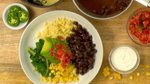
This unit highlights how you can make plant-based choices all day, and all week, long. It focuses on recipes and techniques that you can use to build healthful and delicious breakfasts, lunches and dinners. It also discusses how to repurpose ingredients throughout the week to save both time and money.
|
|
Orientation
|
Unit Orientation
- Task 176: Unit Orientation & Objectives
- Task 177: What to Expect in this Unit
- Task 178: Complete Your Self-Assessment
- Task 179: Unit Pre-Assessment
|
|
|
What's for Breakfast?
- Task 180: What's for Breakfast? | Introduction
- Task 181: Building Smoothies
- Task 182: Lesson Practice Recipes
- Task 183: Breakfast Bowls
- Task 184: Lesson Practice Recipes — Morning Grains
- Task 185: Traditional Breakfasts, Transformed | Proteins
- Task 186: Traditional Breakfasts, Transformed | Grains
|
|
|
What's for Lunch?
- Task 187: What's for Lunch? | Introduction
- Task 188: Salad Greens | Selecting & Preparing
- Task 189: Activity | Grain & Bean Salads
|
|
|
What's for Dinner?
- Task 191: What's for Dinner? | Introduction
- Task 192: Building Veggie Burgers
- Task 194: Activity: One Pot Meal Exercise
|
|
|
What's for Dessert?
- Task 195: What's for Dessert? | Introduction
- Task 196: Quick & Easy Chocolate Creams
- Task 197: Lesson Practice Recipes — Dessert
|
|
Review
|
Unit Review & Assessment
- Task 198: Unit Review & Quiz Preparation
|
End of Unit 9
|
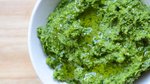
In this unit, you will explore everyday staples and foundational recipes to help you build plant-based menus. In this unit, you will learn how to adapt familiar foods, such as stocks, soups, dressings, dairy and meats, and make them plant-based. You will learn about methods, substitutions and products to help you make these adaptations.
|
|
Orientation
|
Unit Orientation
- Task 200: Unit Orientation & Objectives
- Task 201: What to Expect in this Unit
- Task 202: Complete Your Self-Assessment
- Task 203: Unit Pre-Assessment
|
|
|
Plant-Based Stocks
- Task 204: Plant-Based Stocks | Introduction
- Task 205: Vegetable Stock
- Task 206: Dried & Fresh Bouillon
|
|
|
Soups
- Task 207: Soups | Introduction
- Task 208: Activity | Stock-Based Clear Soups
- Task 209: Bean-Based Soups
- Task 210: Tomato-Based Soups
- Task 211: Starch-Based & Creamy Soups
- Task 212: How to Blend Soups
- Task 213: Activity | Reorder: Blending Soups
- Task 214: Lesson Practice Recipes | Blending
- Task 215: Garnishing Soups
|
|
|
Dressings, Vinaigrettes & Marinades
- Task 216: Dressings, Vinaigrettes & Marinades | Introduction
- Task 217: Salad Dressing & Vinaigrette Basics
- Task 218: Choosing Quality Olive Oils
- Task 219: Choosing Quality Balsamic Vinegars
- Task 220: Lesson Practice Recipes
- Task 221: Marinade Basics
|
|
|
Sauces
- Task 222: Sauces | Introduction
- Task 224: Activity | White Sauce
|
|
|
Condiments
- Task 226: Condiments | Introduction
- Task 227: Relishes, Salsas, Spreads & Chutneys
|
|
Review
|
Unit Review & Assessment
- Task 228: Unit Review & Quiz Preparation
|
End of Unit 10
|
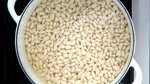
This unit introduces you to the concept of batch cooking and meal planning, which will help you be prepared to eat well and stock yourself up throughout the week to make menu planning more efficient, and set you up for success in the kitchen. Whole grains, legumes and rice cooking techniques and methods are the focus in these lessons. |
|
Orientation
|
Unit Orientation
- Task 230: Unit Orientation & Objectives
- Task 231: What to Expect in this Unit
- Task 232: Complete Your Self-Assessment
- Task 233: Unit Pre-Assessment
|
|
|
Introduction to Batch Cooking
- Task 234: Batch Cooking | Introduction
- Task 235: Batch Cooking Fundamentals
- Task 236: Preparing to Batch Cook
- Task 237: Preparing Raw Ingredients In Advance
- Task 238: Creating a Weekly Salad Bar
- Task 239: Salad Bar Stir-Fry
- Task 240: Stretching Your Ingredients | Introduction
|
|
|
Cooking Rice
- Task 242: Activity | Label the Rice Diagram
- Task 243: Cooking Rice | Steaming & Boiling Methods
- Task 244: Cooking Rice | Pilaf Method
- Task 245: Cooking Rice | Risotto Method
- Task 246: Activity | How to Vary Risotto
|
|
|
Cooking Whole Grains
- Task 247: How to Cook Whole Grains
- Task 248: Activity | Label the Wheat Diagram
- Task 249: Estimated Ratios & Cooking Times
- Task 250: Grains & Food Safety
- Task 251: Tips & Techniques For Grain Cookery
|
|
|
Cooking Dried Legumes
- Task 252: How to Cook Dried Pulses
- Task 253: Stretching Your Meals | Legumes
- Task 254: Activity | Using Legumes
|
|
|
Pressure Cooking
- Task 255: Introduction to Pressure Cooking
- Task 256: What is Pressure Cooking?
- Task 257: Cooking in a Pressure Cooker
- Task 258: Pressure Cooker Safety
|
|
Review
|
Unit Review & Assessment
- Task 259: Unit Review & Quiz Preparation
|
End of Unit 11
|
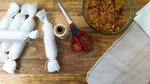
This unit addresses plant-based alternatives to meat and dairy. It will introduce proteins such as tofu, tempeh and seitan, and dairy alternatives such as nut milks and cheeses. |
|
Orientation
|
Unit Orientation
- Task 261: Unit Orientation & Objectives
- Task 262: What to Expect in this Unit
- Task 263: Complete Your Self-Assessment
- Task 264: Unit Pre-Assessment
|
|
|
Basic Plant-Based Proteins
- Task 265: Plant-Based Proteins | Introduction
- Task 266: Working with Tempeh
- Task 267: Lesson Practice Recipes
- Task 268: Working with Tofu
- Task 269: Activity | Working with Tofu
- Task 270: Working with Products on the Market
|
|
|
Meat Substitutes
- Task 271: Meat Substitutes | Introduction
- Task 272: Seitan | Introduction
- Task 273: Making the Seitan
- Task 275: Shredded Plants | Mushrooms and Jackfruit
- Task 277: Fish Style Alternatives
- Task 278: Activity | Make a Meat Substitute
|
|
|
Plant-Based Dairy & Egg Alternatives
- Task 279: Plant-Based Dairy Alternatives | Introduction
- Task 280: Converting Recipes to Be Dairy-Free
- Task 281: Nut & Seed Milk
- Task 282: Lesson Practice Recipes
- Task 285: Sour Cream & Aioli
- Task 286: Cheese & Cheese Spreads
- Task 287: Lesson Practice Recipes
- Task 290: Working with Products on the Market
|
|
Review
|
Unit Review & Assessment
- Task 291: Unit Review & Quiz Preparation
|
End of Unit 12
|
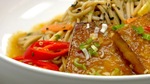
This unit demonstrates methods for cooking without oil or salt for particular dietary needs and preferences. It highlights how to use whole food fats instead of processed oils, and gives methods and tricks for how to reduce sodium by using other flavor builders and cooking techniques.
|
|
Orientation
|
Unit Orientation
- Task 293: Unit Orientation & Objectives
- Task 294: What to Expect in this Unit
- Task 295: Complete Your Self-Assessment
- Task 296: Unit Pre-Assessment
|
|
|
Using Whole Food Fats
- Task 297: Whole Food Fats | Introduction
- Task 298: How to Use Whole Food Fats
|
|
|
Reducing Sodium
- Task 299: Reducing Sodium | Introduction
- Task 300: Building Flavor without Using Salt
- Task 301: Activity | Spice & Seed Blends
|
|
|
No-Oil Cooking Methods
- Task 302: No-Oil Cooking Methods
- Task 303: Activity | No-Oil Sautéing
- Task 304: Activity | Reorder: No-Oil Sauté
- Task 305: No-Oil Roasting
- Task 306: No-Oil Braising
- Task 307: Reducing & Concentrating
- Task 308: Lesson Practice Recipes — Sauce Reductions
|
|
|
No-Oil Dressings & Marinades
- Task 309: No-Oil Dressings and Marinades | Introduction
- Task 310: Practice Building No-Oil Dressings & Marinades
- Task 311: Activity | No-Oil Dressings & Marinades
|
|
|
Modern Base Sauces with No Oil & Salt
- Task 312: Modern Base Sauces with No Oil & Salt
- Task 313: No-Oil White Sauce | Cashew Béchamel
- Task 314: No-Oil Pomodoro Sauce
- Task 316: Converting Recipes to No-Oil or No-Salt Versions
|
|
Review
|
Unit Review & Assessment
- Task 317: Unit Review & Quiz Preparation
|
End of Unit 13
|
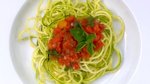
Gluten is a family of proteins in wheat and other grains that can cause gastric distress and other complications in some individuals. This unit introduces you to ways of cooking and eating without gluten. |
|
Orientation
|
Unit Orientation
- Task 319: Unit Orientation & Objectives
- Task 320: What to Expect in this Unit
- Task 321: Complete Your Self Assessment
- Task 322: Unit Pre-Assessment
|
|
|
Flours | Introduction
- Task 323: Gluten-Free & Grain-Free
- Task 324: Working with Gluten-Free Flours
- Task 325: Working with No-Grain Flours
|
|
|
Gluten-Free Pastas
- Task 326: Gluten-Free Pastas & Grains
- Task 327: Selecting & Using Gluten-Free Grains
- Task 328: Activity | Gluten-Free Grains
- Task 329: Selecting & Using Gluten-Free Pastas
- Task 330: Lesson Practice Recipes — Grains & Pasta
- Task 331: Activity | Gluten-Free Challenge
|
|
|
Gluten-Free Baking Basics
- Task 332: Basic Gluten-Free Baking
- Task 333: Gluten-Free Baking Tips
- Task 334: Lesson Practice Recipes — Desserts & Treats
|
|
Review
|
Unit Review & Assessment
- Task 335: Unit Review & Quiz Preparation
- Task 336: Course Challenge Quiz 2
|
End of Unit 14
|
Orientation
|
Introduction to Fermentation
- Task 337: Unit Orientation & Objectives
- Task 338: What to Expect in this Unit
- Task 339: What is Fermentation
- Task 340: Getting Set Up & Fermenting Safety
|
|
|
Cabbages
- Task 341: Krauts & Kimchi
- Task 342: Activity | Reorder: Making Kraut
|
|
|
Pickles
- Task 344: Activity | Pickling
|
|
|
Dips and Drinks
- Task 345: Plant-Based Yogurt
|
|
Review
|
Unit Review & Assessment
- Task 347: Unit Review & Quiz Preparation
|
End of Unit 15
|
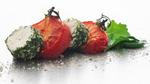
This extensive unit introduces a full detailed overview of raw gastronomy, outlining the foundational technique, explanation and methodology behind creating therapeutic and comforting gourmet raw and living foods. This curriculum covers all the basics to more advanced approaches in preparing raw plant-based cuisine such as juicing, blending, germinating, sprouting, fermenting, marinating, culturing, and low heat cooking.
|
|
Orientation
|
Unit Orientation
- Task 349: Unit Orientation & Objectives
- Task 350: What to Expect in this Unit
- Task 351: Complete Your Self Assessment
- Task 352: Unit Pre-Assessment
|
|
|
The Raw Kitchen | Introduction
- Task 353: The Raw Kitchen | Introduction
- Task 355: Raw Equipment & Tools
- Task 356: Raw Preparation
- Task 357: Raw Preparation Methods
- Task 358: More Advanced Technique with Supporting Equipment
- Task 359: Activity | Raw & Living Foods
|
|
|
Juices & Concentrating
- Task 360: Juicing | Introduction
- Task 361: Using Vegetables for Juicing
- Task 362: Lesson Practice Recipes | Juicing
- Task 363: Other Uses for Juices
|
|
|
Showcasing Vegetables
- Task 364: Showcasing Vegetables | Introduction
- Task 366: Marinating & Wilting
- Task 367: Infusing & Compressing
|
|
|
Recipe Development & Base Recipes
- Task 368: Recipe Development & Base Recipes | Introduction
- Task 369: Equipment for Creating Raw Base Patés
- Task 371: Creating Base Recipes | Chart
- Task 372: Layering the Base
- Task 373: Lesson Practice Recipes | Base Recipes
- Task 374: Activity | Working With Base Recipes
|
|
|
Nutrient-Dense "Superfoods"
- Task 375: "Superfoods": Nutrient-Dense Foods | Introduction
- Task 376: Commonly Available "Superfoods"
- Task 377: Less Common "Superfoods"
- Task 378: Culinary Uses for "Superfoods"
- Task 379: Lesson Practice Recipes | Superfoods
|
|
|
Germinating, Sprouting & Kitchen Gardening
- Task 380: Sprouts | Introduction
- Task 382: Sprouting Equipment
- Task 383: Kitchen Gardening & Growing Sprouts
- Task 384: Germinating Nuts & Seeds
- Task 385: Using Sprouts in Recipes
|
|
|
Dehydrating
- Task 386: Dehydrating | Introduction
- Task 387: Dehydrating Equipment
- Task 388: Preserving Single Ingredients
- Task 390: Crackers & Flatbreads
- Task 391: Semi-Drying: Wraps & Crepes
- Task 392: Warming & Concentrating
|
|
|
Culturing Nut Based "Cheese"
- Task 393: Culturing Nut Based “Cheese” | Introduction
- Task 395: Macadamia Cheese
- Task 397: Pine Nut "Parmesan"
|
|
|
Raw Sauces & Condiments
- Task 398: Raw Sauces & Condiments | Introduction
- Task 400: Common Raw Sauces
|
|
Review
|
Unit Review & Assessment
- Task 401: Black Box Assignment #2
- Task 402: Unit Review & Quiz Preparation
|
End of Unit 16
|
In this unit, you will practice techniques and dishes with flavor profiles from around the world. You will have the opportunity to learn about specific plant-based foods and spices from regions that you find interesting and apply what you know about cooking techniques to create these international dishes. |
|
Orientation
|
Unit Orientation
- Task 404: Unit Orientation & Objectives
- Task 405: What to Expect in this Unit
- Task 406: Complete Your Self-Assessment
- Task 407: Unit Pre-Assessment
|
|
|
India
- Task 408: Introduction to Indian Cuisine
|
|
|
Africa
- Task 410: Introduction to African Cuisine
- Task 411: African Recipes
|
|
|
China
- Task 412: Introduction to Chinese Cuisine
- Task 413: Chinese Recipes
- Task 414: Making & Folding Dumplings Practice
|
|
|
Middle East
- Task 415: Introduction to Middle Eastern Cuisine
- Task 416: Middle Eastern Recipes
|
|
|
Mexico
- Task 417: Introduction to Mexican Cuisine
- Task 418: Mexican Recipes
|
|
|
Exploring & Applying Flavors
- Task 419: Exploring & Applying Flavors| Introduction
- Task 420: Activity | Flavors with Cauliflower ‘Steak’
- Task 421: Activity | Flavors with Chickpeas, Tempeh, Lentils & Rice
|
|
|
Researching World Cuisines
- Task 422: Researching Cuisines & Recipes | A Deeper Dive
- Task 423: Narrowing Your Research Topic
- Task 424: Finding & Selecting Resources
- Task 425: Activity | Explore a New Cuisine
|
|
Review
|
Unit Review & Assessment
- Task 426: Unit Review & Quiz Preparation
|
End of Unit 17
|
In this unit, you will learn how to choose dried pastas, their standard cooking methods and the varieties on the market. You will also discover how to prepare and use of a number of fresh, from-scratch eggless pastas and Asian noodles.
|
|
Orientation
|
Unit Orientation
- Task 428: Unit Orientation & Objectives
- Task 429: What to Expect in this Unit
- Task 430: Complete Your Self-Assessment
- Task 431: Unit Pre-Assessment
|
|
|
How to Select Pasta
- Task 432: How to Select Pasta
- Task 433: Shopping Activity
|
|
|
How to Cook Pasta
- Task 434: How to Cook Pasta
- Task 435: Activity | Reorder: Cooking Pasta
- Task 436: Pasta Cooking Comparison
- Task 437: Cooking & Testing for Doneness Activity
- Task 438: Cooking Pasta | Non-Wheat Based Varieties
|
|
|
How to Make Fresh Laminated Pasta | Egg & Dairy Free
- Task 439: How to Make Fresh Pasta | Eggless Laminated Pasta
- Task 440: Fresh Pasta Dough
- Task 441: Activity | Reorder: Making Fresh Pasta
- Task 442: Hand-Cut Papardelle
|
|
|
Filled Pastas
- Task 443: Filled Pastas | Introduction
- Task 444: Stuffed Pasta & Fillings
- Task 445: Activity | Making Manicotti
|
|
|
Other Global Noodles
- Task 446: Global Noodles | Introduction
- Task 449: Activity | Udon Noodles
|
|
Review
|
Unit Review & Assessment
- Task 450: Unit Review & Quiz Preparation
|
End of Unit 18
|
Orientation
|
Unit Introduction
- Task 452: Unit Orientation & Objectives
- Task 453: Complete Your Self Assessment
- Task 454: Unit Pre-Assessment
|
|
|
How to Make Bread | Basics
- Task 455: Flour for Basic Bread Making
- Task 456: Yeast & Bread Making
- Task 457: Water & Salt in Bread Making
- Task 458: Basic Bread Making Tools
- Task 459: Preparing & Mixing the Dough Stage
- Task 460: Kneading & Developing Dough Stage
- Task 461: Fermenting Dough Stage
- Task 462: Shaping & Proofing Dough Stages
- Task 463: Slashing & Baking Dough Stage
- Task 464: Cooling & Storing Bread Stage
- Task 465: How to Shape an Épi
- Task 466: Practice Activities & Recipes
|
|
Review
|
Unit Review & Assessment
- Task 467: Unit Review & Quiz Preparation
|
End of Unit 19
|
Orientation
|
Unit Introduction
- Task 469: Unit Orientation & Objectives
- Task 470: What to Expect in this Unit
- Task 471: Complete Your Self-Assessment
- Task 472: Unit Pre-Assessment
|
|
|
Fruit as a Dessert
- Task 473: Fruit in its Simplest Form | Introduction
- Task 474: Frozen Fruit Pops (Ice Lollies)
- Task 475: Fruit Sorbets & Ice Creams
- Task 476: Chocolate Cherry Banana Nice Cream
- Task 477: Baked Apple Roses
|
|
|
Raw Desserts
- Task 478: Raw Desserts | Introduction
- Task 479: Raw Cakes & Pies
- Task 480: Accents, Sauces, Compotes
- Task 481: Basics of Raw Chocolate
- Task 482: Activity | Chocolate Ganache Torte
|
|
|
Cooked Desserts
- Task 483: Cooked Desserts | Introduction
- Task 484: Baked Desserts | Practice Activity
|
|
Review
|
Unit Review & Assessment
- Task 486: Unit Review & Quiz Preparation
|
End of Unit 20
|
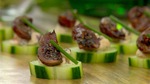
This unit focuses on how to use the techniques and recipes you've learned in this course to create small bites and tasting menus. We'll share tips for creating plant-based canapés, shooters, skewers and spoons. You'll also learn how to properly plate, garnish and present dishes for maximum effect. |
|
Orientation
|
Unit Orientation
- Task 488: Unit Orientation & Objectives
- Task 489: What to Expect in this Unit
- Task 490: Complete Your Self Assessment
- Task 491: Unit Pre-Assessment
|
|
|
Plating
- Task 492: Plating | Introduction
- Task 493: Your Canvas | The Plate
- Task 494: Presentation Styles
- Task 495: The Rule of Thirds | Odds and Evens
- Task 496: Building Your Dish
- Task 497: Activity | Plating a Plant Based Dish
|
|
|
Finishing the Dish | Garnishing
- Task 498: Garnishing | Introduction
- Task 499: Garnishing Basics
- Task 501: Infusions & Other Plate Accents
|
|
|
Small Bites
- Task 502: Small Bites | Introduction
- Task 503: Small Bites | Overview
- Task 505: Lesson Practice Recipes | Canapés
- Task 508: Spoons, Boats & Bites
- Task 509: Activity | Canapés
|
|
Review
|
Unit Review & Assessment
- Task 510: Activity | Canapé Party
- Task 511: Unit Review & Quiz Preparation
|
End of Unit 21
|
This is where it all comes together. In this unit, you will be given your final assessment on the material that is covered in the preceding units. |
|
|
Course Review & Final Assessment
- Task 513: Survey | Share Your Course Feedback
- Task 514: Your Final Exam Preparation
- Task 515: Course Final Exam
- Task 516: Get Your Plant-Based Pro Badge
- Task 517: Books, Websites & Other References
|
End of Unit 22
|
Course Description
This course offers foundational instruction in plant-based culinary arts. With a focus on the application of core techniques in the plant-based kitchen, the experience will allow you to explore and practice a variety of recipes and flavors from around the world. The course begins with a quick set-up to get you started cooking right away including dry-heat cooking, moist-heat cooking, and grilling. A full introduction to core techniques for cooking vegetables, grains, bread, legumes, and meat and dairy alternatives is followed by a culinary world tour of plant-based foods and flavor principles. The course also covers advanced raw techniques, fermentation, and addresses health supportive cooking with no oil, low sodium, and gluten free options. A variety of Rouxbe Rx Wellness Menus that target specific health concerns will be offered, along with a variety of other professional resources and downloadable teaching materials.
Course Highlights
Course Objectives
- Demonstrate knife handling and a variety of knife cuts
- Outfit the plant-based kitchen with essential tools and equipment
- Explain basic principles of food and kitchen safety
- Identify and explain complementary and professional skills
- Demonstrate culinary proficiency in foundational moist methods, such as steaming and simmering
- Demonstrate culinary proficiency in foundational dry methods, such as roasting and sautéing
- Practice advanced recipe development with plant-based cuisine
- Plan and organize food production and apply principles of batch cooking
- Understand principles of flavor balancing, building, layering and seasoning
- Prepare a wide array of plant-based staple recipes for breakfast, lunch and dinner
- Prepare plant-based proteins, such as tofu, tempeh and seitan and non-dairy substitutions
- Build mother sauces, dressings, marinades, condiments and pickles
- Understand flavor profile development including herb and spice combining
- Explore and appreciate plant-based cuisines and foods around the world
- Practice cooking for specific dietary restrictions, special diets and wellness-centered cuisine
- Understand gluten free ingredients, cooking technique and recipe development
- Entertain and plan meals with attention to plating and presentation
- Explain the importance of whole, minimally processed and nutrient dense foods in a plant-based diet
|