Knowledge Base
›
Fran Costigan - Chocolate in Vegan Desserts
My niece in Idaho owns a bakery. She uses a lot of monk fruit for sweetening. Does it behave differently from other sugars? And will change the texture outcome or digestion?
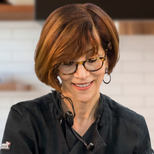
Fran Costigan - Chocolate in Vegan Desserts
RecordedThis event was on May 5, 2026
Join Chef Fran Costigan, Rouxbe Director of Vegan Pastry, for a discussion and practical information about chocolate. We’ll explore its many forms, functions, and best uses in vegan desserts. From types of cocoa powder to bars, fèves, and chips, you’ll learn how to choose the right form for specific recipes and how chocolate behaves in batters, creams, and glazes. Chef Fran will cover melting and tempering basics as well. Common problems, including seized or overheated chocolate, will be looked at. Expect to learn how to choose quality chocolate and what labels really mean, as well as some fixes for common mistakes. Bring your queries and questions about chocolate, Fran will be ready!