Introduction to Culinary Foundations
Course Overview
Rouxbe Culinary School is the world’s leading online culinary school for aspiring cooks, culinary students, those already working in the food and culinary industry, or for anyone who seeks an intensive immersion in culinary skill and knowledge development.
This Culinary Foundations course focuses on foundational and fundamental skills development and reinforcement, as well as universal and widely adopted methods and techniques of cooking that reinforce the same principles taught in professional culinary schools around the world.
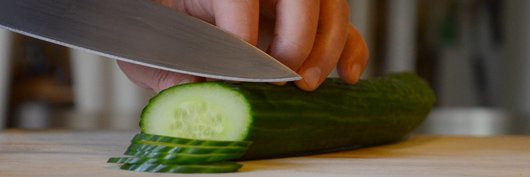
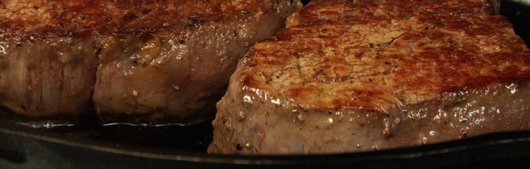
This course covers key knowledge and technique development in knife skills; salads and vinaigrettes; soups; vegetables; rice, grains, and pasta; dry-heat cooking methods; meat and poultry; fish; as well as seasoning and plating.
The course contains various types of learning activities to engage and guide associates through a learning path: pre and post quizzes, flash cards, and other supportive activities.
Course Objectives
At the end of this course you'll be able to:
- handle and maintain a knife and demonstrate knife cuts
- explain and demonstrate salad and vinaigrette production
- explain and demonstrate principles of preparing a variety of clear and thickened soups
- explain and demonstrate principles of vegetable cookery
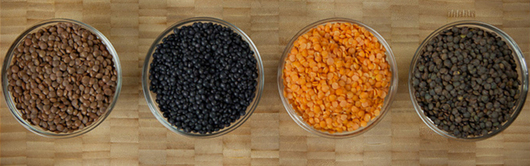
- explain and demonstrate principles of preparing grains, bean and pasta
- identify, describe and apply dry-heat cooking methods
- explain and demonstrate principles of meat, poultry and fish cookery
- explain and apply principles of seasoning and basic plating
Course Syllabus
Unit 1: Culinary Foundations Overview
This unit provides an overview and orientation to the Culinary Foundations course. It sets expectations and provides instructions on how to use the course platform to progress through activities and assessments.
View unit lessons
Lesson 1
Course Orientation
Unit 2: Knives, Knife Cuts & Knife Sharpening
This unit charts a path for you to become more comfortable and proficient with handling a knife. Since a knife is the most important tool in the kitchen, we offer guidance on how to select and care for your knives while giving you ample opportunity to practice your skills.
View unit lessons
Lesson 1
Unit Orientation
Lesson 2
Proper Knife Handling
Tackle the techniques behind using the most important knife in your kitchen: the chef's knife.
Lesson 3
How to Cut with a Chef’s Knife
Tackle the techniques behind using the most important knife in your kitchen: the chef's knife.
Lesson 4
Sharpening Your Knife
This lesson introduces you to sharpening knives with a whetstone.
Lesson 5
Unit Review
Unit 3: Salads & Vinaigrettes
In this unit, you will learn how to choose and identify an assortment of salad greens. You will learn how to clean and refresh greens and how to dry and store them. You will also learn how to properly dress and toss a salad and how to combine greens in order to compose different salads using a variety of vinaigrettes.
View unit lessons
Lesson 1
Unit Orientation
Lesson 2
Salad Greens | Selecting & Preparing
In this lesson, you will learn how to select and prepare different types of salad greens.
Lesson 3
Vinaigrette Basics
In this lesson, you will learn how to make basic vinaigrettes.
Lesson 4
Unit Review
Unit 4: Soups
In this unit, you will be introduced to the four basic soup bases: broth-based clear, stock-based clear, roux-based, and starch-based.
View unit lessons
Lesson 1
Unit Orientation
Lesson 2
How to Make Broth-Based Clear Soup
In this lesson, you will learn how to make broth-based clear soups from scratch. You will also learn how to prepare the main ingredients and how to infuse the water with aromatics to give the soup a full-bodied flavor.
Lesson 3
How to Make Stock-Based Clear Soup
In this lesson, you will learn how to make a stock-based clear soup. By following a few key steps, you’ll be able to create many tasty soups.
Lesson 4
How to Make Roux-Based Soup
In this lesson, you will learn about the components of a roux-based soup. You will also learn how to make a roux-based soup. Finally, you will learn how to vary the texture of a roux-based soup once it is cooked.
Lesson 5
How to Make Starch-Based Thick Soup
In this lesson, you will learn about starch-based thick soups and how to make them. You will also learn how to adjust their texture and how to finish and serve them.
Lesson 6
Unit Review & Course Challenge Quiz
Unit 5: Vegetables
In this unit, you will be introduced to the fundamentals of vegetable preparation. Emphasis is given to preserving vegetable pigments, blanching, par-boiling, steaming and roasting a variety of fresh vegetables.
View unit lessons
Lesson 1
Unit Orientation
Lesson 2
Preserving Vegetable Pigments
Learn how to preserve the pigments in vegetables and how vegetables can be a main course.
Lesson 3
Cooking Vegetables in Water
In this lesson, you will learn how to cook vegetables in water while preserving their nutrients and color.
Lesson 4
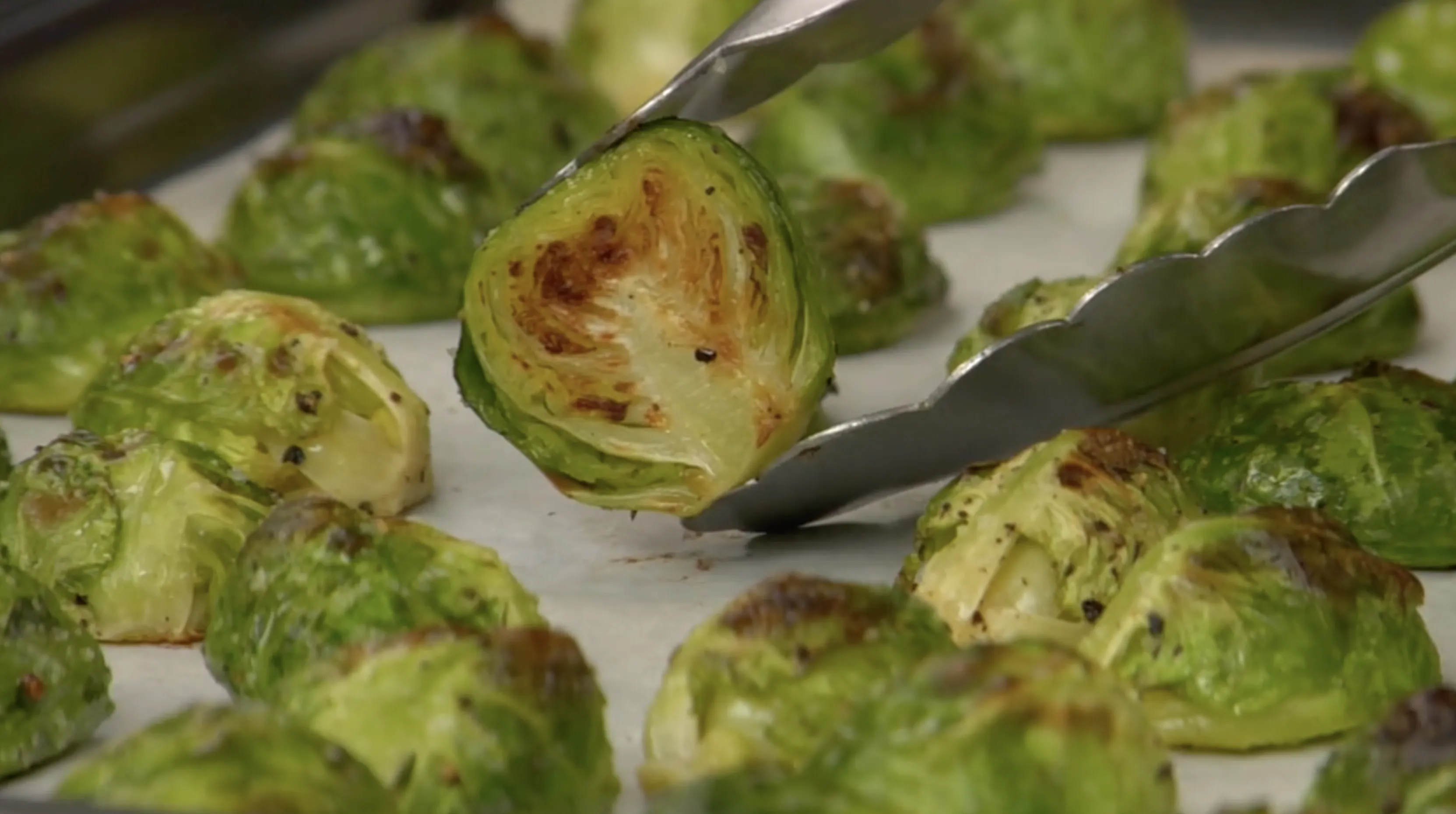
How to Roast Vegetables
This lesson introduces you to the fundamentals of roasting vegetables.
Lesson 5
Unit Review
Unit 6: Rice, Grains & Pasta
In this unit, you will learn how to prepare rice by steaming and boiling. You will also learn how to make a pilaf and a risotto. Finally, you will learn about cooking grains, and how to prepare polenta.
View unit lessons
Lesson 1
Unit Orientation
Lesson 2
Cooking Rice | Steaming & Boiling Methods
In this lesson, you will learn to make plain and infused white rice, as well as brown rice using a flavorful stock.
Lesson 3
How to Cook Grains
In this lesson, you will learn how to select and cook whole grains.
Lesson 4
How to Make Polenta
In this lesson, you will learn just how easy it is to make delicious and nutritious polenta.
Lesson 6
How to Cook Pasta
In this lesson, you will learn the essential techniques to properly cook pasta. You will learn how to cook dried and fresh pasta and how to test each type for doneness. You will also learn how to match different sauces to the type of pasta you are cooking.
Lesson 7
Unit Review
Unit 7: Dry-Heat Cooking Methods
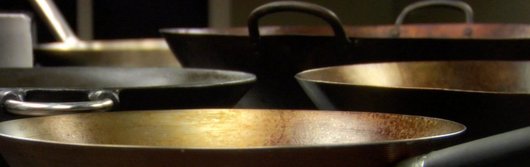
This unit focuses on dry-heat cooking methods. It will introduce some foundational information on how to heat a pan so you can properly pan fry food. In this unit, you will learn the few key indicators to look for when pan-frying along with some simple, yet, effective cooking methods that will enable you to master the art of pan frying. This unit also introduces the concepts of sweating, sautéing, breading, battering and the stir-fry technique.
View unit lessons
Lesson 1
Unit Orientation
Lesson 2
How to Pan Fry
In this lesson, you will learn and practice the technique of pan frying. You will also learn how to perform the water test.
Lesson 3
How to Sauté
Learning how to sauté is an important task for any home cook or professional chef. It is one of the fastest and most common dry-heat cooking methods used to cook bite-sized pieces of food in a pan.
Lesson 4
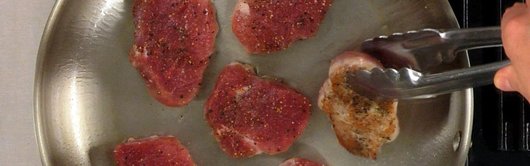
Searing
Searing is what gives many roasts, stews, braised dishes and even certain types of seafood a gorgeous, rich color and sweet flavor.
Lesson 5
How to Stir-Fry
In this lesson, you will learn about the five main components of a stir-fry, and what velveting is. You will also learn the typical sequence used to properly and quickly stir-fry a dish over very high heat.
Lesson 6
How to Bread & Batter Foods
In this lesson, you will learn how to bread and batter foods prior to cooking them.
Lesson 7
How to Shallow Fry & Deep Fry
When properly cooked, fried foods are appreciated for having a wonderfully crunchy crust on the outside while remaining moist and tender on the inside.
Lesson 8
Unit Review
Unit 8: Meat & Poultry
In this unit, you will learn how to identify popular premium cuts of steak. You will learn about the importance of marbling and how aging effects both the quality and cost of meat. You will also learn some tips that will help you choose the most appropriate steak for the type of meal you are making. Finally, you will learn how to prepare steaks for cooking and the best cooking techniques including how to roast prime rib.
View unit lessons
Lesson 1
Unit Orientation
Lesson 2
How to Cook Premium Steaks
In this lesson, you will learn how to cook premium steaks using two different methods: the flip-once method and the flip-often method.
Lesson 3
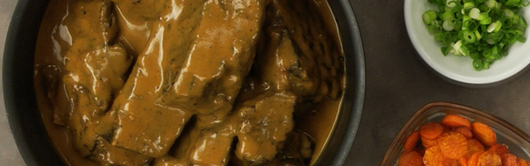
Pot Roasting | Combination Cooking
In this lesson, you will learn the technique of pot roasting. Pot roasting is similar to braising and stewing, but there are just a few key differences that we will teach you.
Lesson 4
How to Roast a Whole Chicken
In this lesson, you will learn how to roast and carve a whole chicken, and how to make a delicious gravy.
Lesson 5
Unit Review
Unit 9: Fish
This unit introduces the cook to the fundamentals of proper buying, storing and cooking of a variety of fish. Focus is given to how to properly pan-fry fish.
View unit lessons
Lesson 1
Unit Orientation
Lesson 2
How to Buy & Store Fish
In this lesson, you will learn how to identify quality fish. You will also learn how to properly store, freeze and thaw fish so you can enjoy this healthy and delicious food.
Lesson 3
Cooking Fish Fundamentals
In this lesson, you will learn the differences between lean and oily fish and how to prepare fish for cooking.
Lesson 4
How to Pan Fry Fish
In this lesson, you will learn how to pan fry thin or thick pieces of fish over low or high heat.
Lesson 5
Unit Review
Unit 10: Other
This unit introduces you to the techniques of correct and balanced seasoning. Brining, salting, and characteristics of different salts will be the focus as you learn to build deep, delicious flavor in your dishes. The unit offers a secondary focus on the principles of plate composition and how to prepare eye-appealing presentations.
View unit lessons
Lesson 1
Unit Orientation
Lesson 2
Basic Seasoning
In this lesson, you will learn about the types of salt that are commonly used during the cooking process and how salt affects food. You will also learn how to season with salt and when to salt food during the cooking process to bring out the best flavor in your food.
Lesson 3
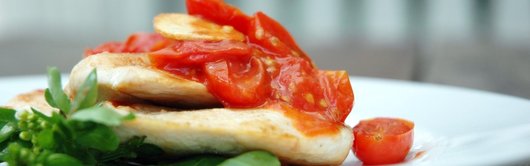
The Basics of Plating
In this lesson, you will learn the basic plating techniques used by cooks in professional kitchens every day.
Lesson 4
Unit Review
Unit 11: Culinary Foundations Assessment
This final assessment quiz will show what you have learned in this course. Good luck!
View unit lessons
Lesson 1
Culinary Foundations Assessment
Loading reviews…