Culinary Foundations
Course Overview
Rouxbe Culinary School is the world’s leading online culinary school for aspiring cooks, culinary students, those already working in the food and culinary industry or for anyone who seeks an intensive immersion in culinary skill and knowledge development.
This Culinary Foundations course focuses on foundational and fundamental skills development and reinforcement; universal and widely adopted methods and techniques of cooking as well as recipes and activities that reinforce the same principles taught in professional culinary schools around the world.
This course is covers key knowledge and technique development in: kitchen and food safety, knife skills, stocks, moist- and dry-heat cooking methods, plating and presentation, and culinary nutrition. This course continues with additional instruction in preparing specific types of foods: salads, vegetables, soups, sauces, meat, poultry, fish, breads, pastries and foods for special diets.
The course contains various types of learning activities to engage and guide participants through a learning path: pre and post quizzes, flash cards, live graded assessments, Rouxbe-graded assessments and other supportive activities.
Course Objectives
At the end of this course you'll be able to:
- Understand basic food and kitchen safety and sanitation
- Select, handle and maintain a knife and demonstrate knife cuts
- Explain and demonstrate stock, short stock, and broth production
- Demonstrate knowledge and application of seasoning and flavoring
- Identify, describe and apply dry-heat cooking methods
- Identify, describe and apply moist-heat cooking methods
- Explain and apply principles of basic plating
- Determine and evaluate basic nutrition in foods and specialty diets
- Explain and demonstrate principles of salad and dressing production
- Explain and demonstrate principles of vegetable cookery
- Explain and demonstrate principles of egg cookery
- Describe and explain soup making procedures
- Prepare and present a variety of classic and contemporary sauces
- Explain and demonstrate principles of meat, poultry and fish cookery
- Explain and demonstrate principles of pasta, legume, rice, and grain cookery
- Demonstrate knowledge of basic bread, baking, and gluten functions
- Demonstrate knowledge of basic pastry and chocolate use
Course Syllabus
Unit 1: Culinary Foundations Overview
This unit provides an overview and orientation to the Culinary Foundations course. It sets expectations and provides instructions on how to use the course platform to progress through activities and assessments.
View unit lessons
Lesson 1
Course Orientation
Lesson 2
Complementary Skills for Culinarians
This lesson provides basic and foundational culinary training to complement your work in the industry. While Rouxbe primarily introduces and reinforces techniques and skills that will help you become a better, more skillful cook, there are also important complementary skills, such as communication and problem-solving skills, that are critical for success in the culinary arts industry.
Unit 2: Knives, Knife Cuts & Knife Sharpening
This unit charts a path for you to become more comfortable and proficient with handling a knife. Since a knife is the most important tool in the kitchen, we offer guidance on how to select and care for your knives while giving you ample opportunity to practice your skills.
View unit lessons
Lesson 1
Unit Orientation
Lesson 2
Selecting a Knife Set
Learn what to look for when selecting the right knife and why it's important to use high-quality knives.
Lesson 3
Proper Knife Handling
Tackle the techniques behind using the most important knife in your kitchen: the chef's knife.
Lesson 4
How to Cut with a Chef’s Knife
Tackle the techniques behind using the most important knife in your kitchen: the chef's knife.
Lesson 5
Sharpening Your Knife
This lesson introduces you to sharpening knives with a whetstone.
Lesson 6
Unit Review
Unit 3: Food & Kitchen Safety
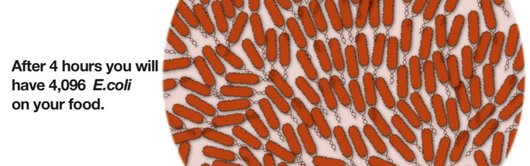
Foodborne illness can be an issue both inside and outside of the kitchen, regardless of how well we think we know our food supply chain. Symptoms can range from an upset stomach to nausea, diarrhea or vomiting. In this unit, you’ll learn techniques and habits to keep your loved ones happy and healthy.
View unit lessons
Lesson 1
Unit Orientation
Lesson 2
Introduction to Food Safety
In this lesson, you will learn about the importance of food safety.
Lesson 3
Handwashing
In this lesson, you’ll learn when to wash your hands, and how to wash your hands properly.
Lesson 4
Buying & Storing Food
In this lesson, you will learn about the proper storage of food in the refrigerator and freezer. You will also learn about dry storage, the order in which to put away groceries, how to separate food from chemicals and cleaners, and how to properly deal with leftovers.
Lesson 5
Preparing Food
In this lesson, you will learn about cross-contamination and how to avoid it. You will also learn about the danger zone and the importance of controlling temperature when cooking, cooling and reheating food. Finally you will learn how to use a thermometer properly and when it’s appropriate to use one, as well as how to microwave food safely.
Lesson 6
Cleaning Up
In this lesson, you’ll learn the importance of keeping a clean kitchen, and when and how to clean it. You’ll learn the difference between cleaning and sanitizing, and how these concepts apply to food preparation surfaces like counters and cutting boards.
Lesson 7
Kitchen Safety Basics
In this lesson, you will learn how to keep safe in the kitchen, what hazards may occur and how to apply simple first aid.
Lesson 8
Unit Review & Quiz Preparation
Unit 4: Dry-Heat Cooking Methods
This unit focuses on dry-heat cooking methods. It will introduce some foundational information on how to heat a pan so you can properly pan fry food. In this unit, you will learn the few key indicators to look for when pan-frying along with some simple, yet, effective cooking methods that will enable you to master the art of pan frying. This unit also introduces the concepts of sweating, sautéing, breading, battering and the stir-fry technique.
View unit lessons
Lesson 1
Unit Orientation
Lesson 2
How to Pan Fry
In this lesson, you will learn and practice the technique of pan frying. You will also learn how to perform the water test.
Lesson 3
Pan Tossing
In this lesson, you will learn the motion of pan tossing. You will also learn how to properly toss foods while cooking.
Lesson 4
How to Sweat Ingredients
In this lesson, you will learn the technique of sweating. You will also learn how to make a basic tomato sauce.
Lesson 5
How to Sauté
Learning how to sauté is an important task for any home cook or professional chef. It is one of the fastest and most common dry-heat cooking methods used to cook bite-sized pieces of food in a pan.
Lesson 6
Searing
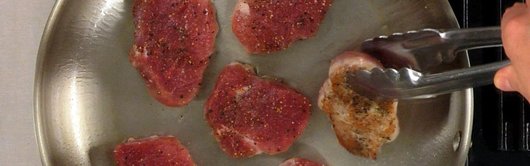
Searing is what gives many roasts, stews, braised dishes and even certain types of seafood a gorgeous, rich color and sweet flavor.
Lesson 7
How to Bread & Batter Foods
In this lesson, you will learn how to bread and batter foods prior to cooking them.
Lesson 8
How to Shallow Fry & Deep Fry
When properly cooked, fried foods are appreciated for having a wonderfully crunchy crust on the outside while remaining moist and tender on the inside.
Lesson 9
Introduction to Stir-Frying
In this lesson, you will learn about the importance of stir-frying with high heat and the many advantages of this extremely versatile cooking technique.
Lesson 10
How to Stir-Fry
In this lesson, you will learn about the five main components of a stir-fry, and what velveting is. You will also learn the typical sequence used to properly and quickly stir-fry a dish over very high heat.
Lesson 11
Unit Review
Unit 5: Moist-Heat Cooking Methods
This unit focuses on moist-heat cooking methods. Moist methods allow you to create a variety of delicious dishes that use hot liquid or steam for their preparation. In this unit, you will learn some simple yet effective methods that will enable you to master the art of submersion cooking. This unit will also introduce you to the cooking methods of braising, poaching, steaming, stewing and simmering.
View unit lessons
Lesson 1
Unit Orientation
Lesson 2
Submersion Cooking Methods
In this lesson, you will be introduced to submersion methods of cooking.
Lesson 3
Combination Cooking Fundamentals
In this lesson, you will learn the fundamentals of combination cooking. You will also learn, several key steps in combination cooking. Understanding these key basics will help you stew, braise or pot roast without needing a recipe.
Lesson 4
Braising | Combination Cooking
In this lesson, you will learn the technique of braising. You will also learn how to cook a braised dish, how to test it for doneness and how to finish the sauce prior to serving.
Lesson 5
Stewing | Combination Cooking
In this lesson, you will learn how to cook a stew. You will also learn how test it for doneness and how to finish the sauce prior to serving.
Lesson 6
Pot Roasting | Combination Cooking
In this lesson, you will learn the technique of pot roasting. Pot roasting is similar to braising and stewing, but there are just a few key differences that we will teach you.
Lesson 7
Steaming | Introduction
In this lesson, you will be introduced to steaming.
Lesson 8
Steaming | Basics
In this lesson, you will apply the basics steaming techniques.
Lesson 9
Pressure Cooking
Learning how pressure cookers truly cook foods—more foods than you might imagine—and how safe they are when properly used will open up a whole new range of cooking possibilities.
Lesson 10
Unit Review
Unit 6: How to Make Stock
In this unit you will learn to prepare the most common types of stocks, including dark stock, short stock, chicken, veal, beef and vegetable stocks, as well as broths.
View unit lessons
Lesson 1
Unit Orientation
Lesson 2
How to Make Stock | Fundamentals
In this lesson, you will learn the fundamentals of making stock from scratch.
Lesson 3
How to Make Dark Stock
In this lesson, you will learn how to make dark, flavorful stock.
Lesson 4
How to Make Short Stock
This lesson builds upon the skills and techniques learned in the previous lessons on How to Make Stock Fundamentals and How to Make Dark Stock.
Lesson 5
How to Make Broth
This lesson builds upon the skills and techniques learned in the previous lessons on How to Make Stock Fundamentals and How to Make Dark Stock. Here you will learn the differences between a broth and a stock.
Lesson 6
How to Make Veal & Beef Stock
In this lesson, you will learn to produce a veal stock and a beef stock.
Lesson 7
Plant-Based Stocks
In this lesson, you will learn how to create vegetable-based stocks from scratch. These stocks will be a staple for the soups and sauces that you will encounter in future lessons.
Lesson 8
Unit Review
Unit 7: Seasoning
This unit introduces you to the techniques of correct and balanced seasoning. Brining, salting, cooking with herbs and marinating will be the main focus as you learn to build deep, delicious flavor in your dishes.
View unit lessons
Lesson 1
Unit Orientation
Lesson 2
Basic Seasoning
In this lesson, you will learn about the types of salt that are commonly used during the cooking process and how salt affects food. You will also learn how to season with salt and when to salt food during the cooking process to bring out the best flavor in your food.
Lesson 3
How to Brine
in this lesson, you will learn how to brine all types of meat and fish.
Lesson 4
How to Use & Cook with Herbs
In this lesson, you will learn about common types of culinary herbs. You will also learn how to buy and store fresh and dried herbs, and how to prepare, use and cook with herbs.
Lesson 5
Marinades
In this lesson, you will learn how to incorporate more flavor into food by marinating it. You will also learn about the components of a marinade and what their functions are.
Lesson 6
Fats & Oils
In this lesson, you will learn about the role of fats in plant-based cooking. You will also learn about the different kinds of fats, their role in recipes and how to use them appropriately.
Lesson 7
Acids: Vinegars, Alcohol & Citrus
In this lesson, you will learn about different types of acids, their role in creating balanced flavor profiles and how to use them effectively.
Lesson 8
Unit Review
Unit 8: Plating
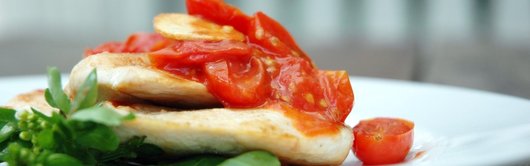
Excellent, consistent, and quick plating takes just a bit of forethought, practice and skill.
In this unit, you will identify the anatomy of a plate and look at plate design. You will also learn how to set up your workstation in order to efficiently plate, sauce and garnish. In addition, you will learn how to inspect a finished plate before serving it to a diner.
View unit lessons
Lesson 1
Unit Orientation
Lesson 2
The Basics of Plating
In this lesson, you will learn the basic plating techniques used by cooks in professional kitchens every day.
Lesson 3
Unit Review
Unit 9: Nutrition in The Kitchen
This unit begins to build a nutritional foundation that will help you make decisions related to personal health and our food supply, and shed light on various dietary restrictions that could influence cooking.
View unit lessons
Lesson 1
Unit Orientation
Lesson 2
Basic Nutrition
This unit exposes the cook to the basics of the vital components of a human diet.
Lesson 3
Diets & Dietary Restrictions
In this lesson, you will gain insight into cooking for people with different dietary restrictions and ways of eating.
Lesson 4
Basics of Cooking to Support Health
This lesson details how cooking specific whole foods can benefit health conditions.
Lesson 5
Unit Review
Unit 10: Culinary Foundations Midterm Assessment
This final assessment quiz will show what you have learned in this course. Good luck!
View unit lessons
Lesson 1
Culinary Foundations Assessment
Unit 11: Culinary Foundations Second Half Overview
This unit provides an overview and orientation to the second half of the Culinary Foundations course. It sets expectations and provides instructions on how to use the course platform to progress through activities and assessments.
View unit lessons
Lesson 1
Second Half Overview
Unit 12: Salads & Vinaigrettes
In this unit, you will learn how to choose and identify an assortment of salad greens. You will learn how to clean and refresh greens and how to dry and store them. You will also learn how to properly dress and toss a salad and how to combine greens in order to compose different salads using a variety of vinaigrettes.
View unit lessons
Lesson 1
Unit Orientation
Lesson 2
Salad Greens | Selecting & Preparing
In this lesson, you will learn how to select and prepare different types of salad greens.
Lesson 3
Vinaigrette Basics
In this lesson, you will learn how to make basic vinaigrettes.
Lesson 4
Unit Review
Unit 13: Vegetables
In this unit, you will be introduced to the fundamentals of vegetable preparation. Emphasis is given to preserving vegetable pigments, blanching, par-boiling, steaming and roasting a variety of fresh vegetables.
View unit lessons
Lesson 1
Unit Orientation
Lesson 2
Preserving Vegetable Pigments
Learn how to preserve the pigments in vegetables and how vegetables can be a main course.
Lesson 3
Cooking Vegetables in Water
In this lesson, you will learn how to cook vegetables in water while preserving their nutrients and color.
Lesson 4
Steaming Vegetables
In this lesson, you will steam and finish many sizes of vegetables.
Lesson 5
How to Roast Vegetables
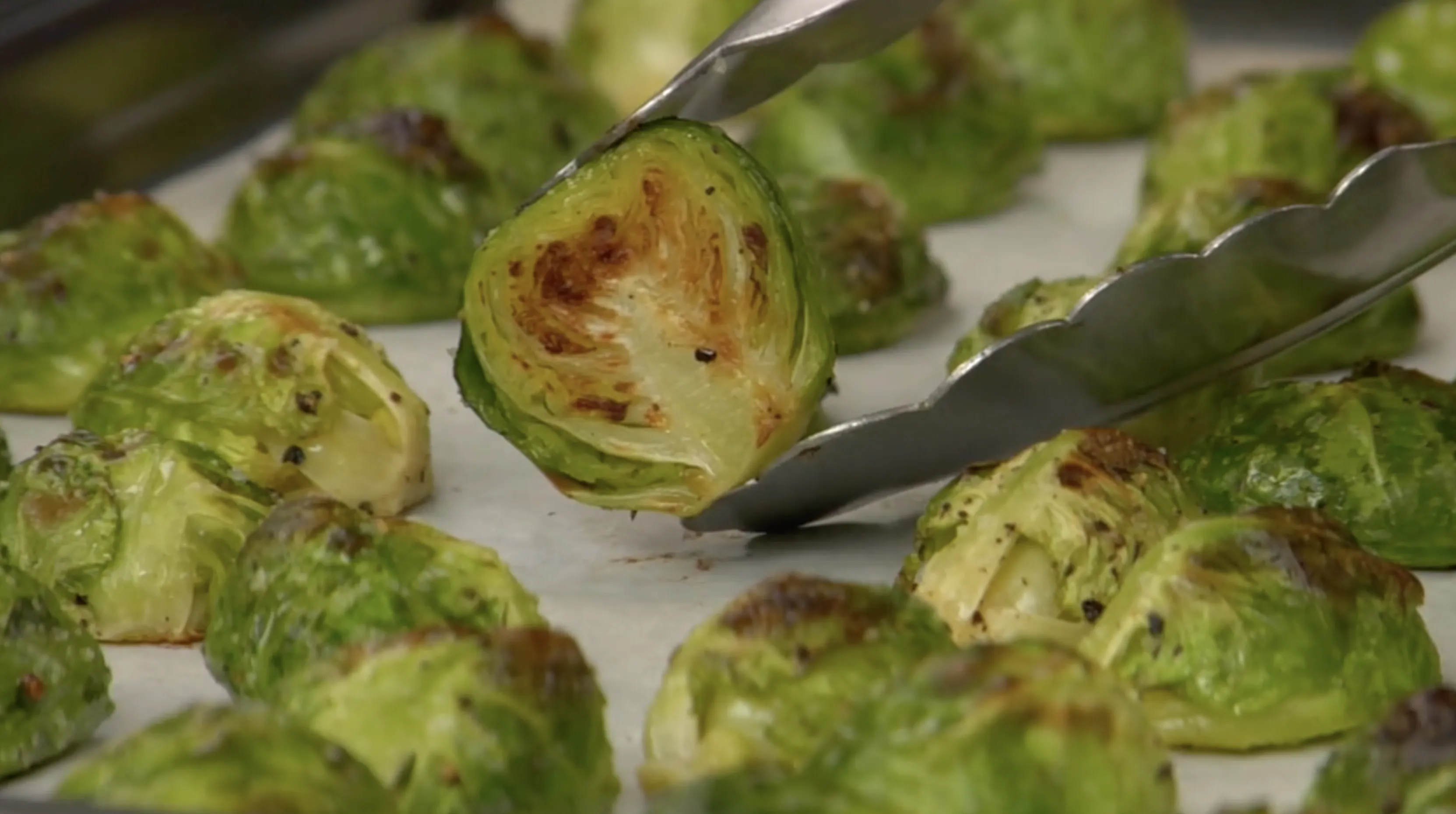
This lesson introduces you to the fundamentals of roasting vegetables.
Lesson 6
How to Purée Vegetables
This lesson explains how to prepare, hold and serve puréed vegetables.
Lesson 7
Unit Review
Unit 14: Eggs
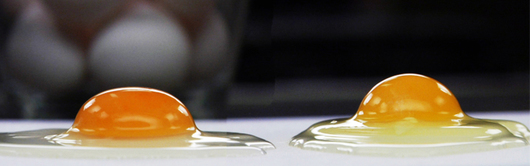
In this unit, you will learn about the anatomy of an egg, and the techniques of boiling, scrambling, frying, basting, and poaching. You will also learn the secret to making delicious, fluffy omelettes, and frittatas.
View unit lessons
Lesson 1
Unit Orientation
Lesson 2
Eggs | Anatomy, Boiling & Scrambling
In this lesson, you will learn the anatomy of eggs, and how to boil and scramble them.
Lesson 3
Eggs | Frying, Basting & Poaching
In this lesson, you will learn the techniques of frying, basting and poaching eggs.
Lesson 4
How to Make an Omelet
This lesson teaches you the essential skills to make a perfect, fluffy omelet.
Lesson 5
How to Make a Frittata
This lesson demonstrates the skills needed to make a frittata.
Lesson 6
How to Steam Eggs
This lesson teaches you the indispensable technique of steaming eggs.
Lesson 7
Unit Assessment Quiz
Unit 15: Soups
In this unit, you will be introduced to the four basic soup bases: broth-based clear, stock-based clear, roux-based, and starch-based.
View unit lessons
Lesson 1
Unit Orientation
Lesson 2
How to Make Broth-Based Clear Soup
In this lesson, you will learn how to make broth-based clear soups from scratch. You will also learn how to prepare the main ingredients and how to infuse the water with aromatics to give the soup a full-bodied flavor.
Lesson 3
How to Make Stock-Based Clear Soup
In this lesson, you will learn how to make a stock-based clear soup. By following a few key steps, you’ll be able to create many tasty soups.
Lesson 4
How to Make Roux-Based Soup
In this lesson, you will learn about the components of a roux-based soup. You will also learn how to make a roux-based soup. Finally, you will learn how to vary the texture of a roux-based soup once it is cooked.
Lesson 5
How to Make Starch-Based Thick Soup
In this lesson, you will learn about starch-based thick soups and how to make them. You will also learn how to adjust their texture and how to finish and serve them.
Lesson 6
How to Make Consommé
In this lesson, you will learn how to make consommé. You will learn about the components of a consommé, the purpose of a raft, and the key steps to making a variety of these crystal clear and delicious liquids.
Lesson 7
Unit Review & Course Challenge Quiz
Unit 16: Sauces
Knowing how to make basic sauces will enable you to expand the range of dishes that you can prepare.
In this unit you will learn how to prepare a variety of the sauces often used in professional kitchens. You will start by learning how to create classic roux, béchamel and veloute sauce. This unit will also give you the opportunity to create delicious savory sauces such as classic tomato, pan sauces, butter based sauces and hollandaise sauce.
View unit lessons
Lesson 1
Unit Orientation
Lesson 2
How to Make Roux
In this lesson, you will learn what roux is. You will also learn how to make three different kinds of roux: white, blond and brown. Finally, you will learn about the differences between the types of roux.
Lesson 3
How to Make Béchamel Sauce
In this lesson, you will learn about béchamel sauce and two different methods of making it. You will also learn how to infuse the sauce with various flavors. Finally you will learn how to finish, store and reheat this extremely versatile sauce.
Lesson 4
How to Make Velouté Sauce
In this lesson, you will learn about velouté sauce and the components used to make it.
Lesson 5
How to Make Tomato Sauce
In this lesson, you will learn how to make tomato sauce using just a few quality ingredients.
Lesson 6
How to Make a Butter Sauce
In this lesson, you will learn how to prepare a basic beurre blanc (butter sauce). You will learn how to serve and hold beurre blanc and how to fix it if it happens to split.
Lesson 7
How to Make Hollandaise Sauce
In this lesson, you will learn about the main components of hollandaise sauce. You will also learn how to make and season hollandaise sauce. Finally, you will learn how to hold it prior to serving and how to repair a split or broken sauce.
Lesson 8
How to Make Demi-Glace
In this lesson, you will learn what demi-glace is and how the making of demi has evolved over the years.
Lesson 9
How to Make Pan Sauce
In this lesson, you will learn how to properly develop sucs and how to use them to build delicious pan sauces.
Lesson 10
Plant-Based Sauces
This lesson highlights indispensable sauces for the plant-based kitchen including red sauce, white sauce, and sauces influenced by global cuisines.
Lesson 11
Condiments & Quick Pickles
In this lesson, you will learn how to make a variety of relishes, pickles, chutneys, salsas and other condiments to highlight your dishes and boost flavor in your meals.
Lesson 12
Unit Review
Unit 17: Rice & Grains
In this unit, you will learn how to prepare rice by steaming and boiling. You will also learn how to make a pilaf and a risotto. Finally, you will learn about cooking grains, and how to prepare polenta.
View unit lessons
Lesson 1
Unit Orientation
Lesson 2
Rice Basics
In this lesson, you will learn the basics of cooking rice.
Lesson 3
Cooking Rice | Steaming & Boiling Methods
In this lesson, you will learn to make plain and infused white rice, as well as brown rice using a flavorful stock.
Lesson 4
Cooking Rice | Pilaf Method
In this lesson, you will learn how to use the pilaf method to cook rice.
Lesson 5
The Risotto Method & Varying Risotto
In this lesson, you will learn how to make a basic risotto from start to finish.
Lesson 6
How to Cook Grains
In this lesson, you will learn how to shop for and cook whole grains.
Lesson 7
How to Make Polenta
In this lesson, you will learn just how easy it is to make delicious and nutritious polenta.
Lesson 9
Unit Review
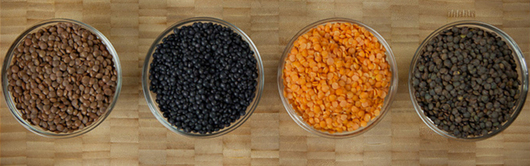
Unit 18: Legumes
In this unit, you will learn how to buy and store dried beans. You will learn how to prepare them for cooking and the advantages of the various methods used to soak them. You will also learn how to properly cook and test beans for doneness.
View unit lessons
Lesson 1
Unit Orientation
Lesson 2
How to Cook Dried Legumes
In this lesson you will begin to learn how to buy, store, soak, and prepare dried legumes.
Lesson 3
Unit Review
Unit 19: Pasta
In this unit, you will learn how extruded and laminated pastas are made, the differences between them and when you might choose one over the other. You will also learn how to cook extruded and laminated pasta.
View unit lessons
Lesson 1
Unit Orientation
Lesson 2
How to Select Pasta
In this lesson, you will learn how extruded and laminated pasta are made, the differences between them and when you might choose one over the other. By understanding how pasta is made and knowing how to identify quality pasta, you are guaranteed to have the best pasta-eating experiences.
Lesson 3
How to Cook Pasta
In this lesson, you will learn the essential techniques to properly cook pasta. You will learn how to cook dried and fresh pasta and how to test each type for doneness. You will also learn how to match different sauces to the type of pasta you are cooking.
Lesson 4
How to Make Fresh Pasta | Laminated Pasta
In this lesson, you will learn about the types of flour used to make pasta. You will learn how to make pasta dough by hand and by using a food processor. You will also learn how to knead the dough, roll it through a pasta machine and various ways to cut and shape it. Finally, you will learn how to vary the color of pasta dough, so you can add interesting flavor and color to your cooking.
Lesson 5
Unit Review
Unit 20: Meat
In this unit, you will learn how to identify popular premium cuts of steak. You will learn about the importance of marbling and how aging effects both the quality and cost of meat. You will also learn some tips that will help you choose the most appropriate steak for the type of meal you are making. Finally, you will learn how to prepare steaks for cooking and the best cooking techniques including how to roast prime rib.
View unit lessons
Lesson 1
Unit Orientation
Lesson 2
How Heat Affects Protein
In this lesson, you will learn the essential skill of how to control the cooking of any protein using any heat source and any cooking technique.
Lesson 3
Beef | Premium Cuts of Steak
This lesson introduces you to the various cuts of steak and the importance of marbling.
Lesson 4
Prepping Premium Steaks for Cooking
In this lesson, you will learn how to prep, temper and season premium steaks prior to cooking.
Lesson 5
How to Cook Premium Steaks
In this lesson, you will learn how to cook premium steaks using two different methods: the flip-once method and the flip-often method.
Lesson 6
How to Roast Prime Rib
In this lesson, you will learn how to roast prime rib. You will also learn how to select the best prime rib and how to properly prepare it for roasting.
Lesson 7
Unit Review
Unit 21: Poultry
In this unit, you will learn about the basic anatomy of poultry and the difference between white and dark meat. You will learn how to break down a chicken, and how to carve a whole bird once it is cooked. You will also learn how to perfectly roast a whole chicken and create delicious gravies and enhancements to go with it.
View unit lessons
Lesson 1
Unit Orientation
Lesson 2
Poultry Fundamentals
In this lesson, you will learn about poultry and how to break down a chicken.
Lesson 3
How to Roast a Whole Chicken
In this lesson, you will learn how to roast and carve a whole chicken, and how to make a delicious gravy.
Lesson 4
Enhancing Basic Roast Chicken
In this lesson, you will learn how to add even more flavor and moisture to your chicken. You will also learn how to achieve the ultimate crispy skin and how to use the pan juices to make a delicious sauce to serve with the chicken.
Lesson 5
Unit Review
Unit 22: Fish
This unit introduces the cook to the fundamentals of proper buying, storing and cooking of a variety of fish. Focus is given to how to properly pan-fry fish.
View unit lessons
Lesson 1
Unit Orientation
Lesson 2
How to Buy & Store Fish
In this lesson, you will learn how to identify quality fish. You will also learn how to properly store, freeze and thaw fish so you can enjoy this healthy and delicious food.
Lesson 3
Cooking Fish Fundamentals
In this lesson, you will learn the differences between lean and oily fish and how to prepare fish for cooking.
Lesson 4
How to Pan Fry Fish
In this lesson, you will learn how to pan fry thin or thick pieces of fish over low or high heat.
Lesson 5
Unit Review
Unit 23: Baking Basics & Breads
In this unit, you will learn about gluten, flour, yeast, water and salt and their functions in bread making. You will learn how to correctly identify the anatomy of a grain.You will also learn about bread-making tools and the stages of preparation. Finally, you will learn how to shape the dough for baking.
View unit lessons
Lesson 1
Unit Orientation
Lesson 2
Baking Basics
This lesson will walk you through the basics of baking.
Lesson 3
Wheat & Gluten
Wheat is one of the most common grains used in everyday foods. In this lesson, you get an inside look into gluten, the magical component in wheat that enables us to make so many wonderful products. You will learn what gluten is, where it comes from, and when gluten is and isn’t your friend.
Lesson 4
Quick Breads
In this lesson, you will learn the basics of quick breads including the common ingredients, types of leaveners, and proper mixing methods required to develop light and tender products.
Lesson 5
How to Make Bread | Basics
In this lesson, you will learn about flour, yeast, water and salt and their functions in bread making.
Lesson 6
Stages of Bread Making
In this lesson, you will create your own bread from scratch.
Lesson 7
How to Shape an Epi
In this lesson, you will learn how to shape an épi.
Lesson 8
Unit Review
Unit 24: Pastry Basics
This unit provides key introductory lessons on how to make doughs, custards and souffles—essential techniques with virtually limitless applications and variations in the pastry kitchen.
View unit lessons
Lesson 1
Unit Orientation
Lesson 2
How to Make Pâte Brisée
In this lesson, you will learn how to create pâte brisée, an all-purpose basic pie dough.
Lesson 3
Pâte Sucrée
In this lesson you will learn about pâte sucrée, its characteristics and uses.
Lesson 4
How to Make Pâte à Choux
In this lesson, we will focus on Pâte à choux--also known as choux paste--a type of light and airy pastry that can be piped into various shapes and filled or topped with a variety of different ingredients
Lesson 5
How to Make Crêpes
In this lesson, you will learn about the basic equipment required for making crêpes and how to prepare, flavor and tweak a basic batter in order to create ultra-thin crêpes. You will learn the key steps for properly cooking crêpes and a variety of ways to fill, shape and serve them.
Lesson 6
Custards
There are many kinds of custard but most of them are made one of two ways. In this lesson, we will introduce you to the two basic categories of custard: stirred and baked.
Lesson 7
How to Make Soufflés
In this lesson, you will learn what soufflés are and how they work. You will also learn about the components of a soufflé and how easy it is to create a sweet and savory version of it.
Lesson 8
Unit Review
Unit 25: Chocolate
In this unit, you will learn the basics of chocolate. You will learn about the cacao tree and how cacao beans are processed. You will also learn about cocoa powder, dutching and cocoa butter. Finally, you will learn how dark, milk and white chocolate are made, and how to prepare chocolate based recipes.
View unit lessons
Lesson 1
Unit Orientation
Lesson 2
Basics of Quality Chocolate
In this lesson, you will learn about the cacao tree and how cocoa beans are manufactured. You will also learn about cocoa powder, dutching and cocoa butter. Finally, you will learn how chocolate is processed into varieties of dark, milk and white chocolate.
Lesson 3
Unit Review
Unit 26: Cooking Foundations Second Half Assessment
This final assessment quiz will show what you have learned in this course. Good luck!
View unit lessons
Lesson 1
Course Review
Practice Recipes
A few of the practice recipes you'll learn in this course.
Loading reviews…