
Master the fundamentals. Build culinary excellence.
Build the skills, techniques, and confidence needed to succeed in a professional kitchen. Rouxbe Culinary Foundations delivers comprehensive, industry-recognized online culinary training designed to develop essential cooking skills, strengthen consistency, and elevate food quality.
Through engaging video instruction and flexible, self-paced learning, culinary professionals develop a foundation in cooking techniques, ingredient preparation, food safety, nutrition, and advanced culinary applications.
- Learning Levels
- 2
- Curriculum Units
- 22
- Lessons
- 78
- Instructional Videos
- 1,500
About 110 hours of professional culinary education with ACF-recognized training hours and 9 ACE-recommended college credits.
22 units, from knife skills to chocolate.
Assign the full program, or pick the units that matter for each role on your team.
Foundational Culinary Skills
-
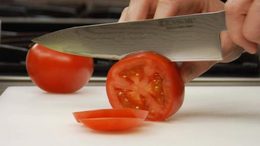 1. Knives, Knife Cuts & Knife Sharpening
Develop essential knife-handling skills, precision cutting techniques, and knife maintenance practices.
-
 2. Food & Kitchen Safety
Explore fundamental food safety, proper handling, sanitation, and safe kitchen practices.
-
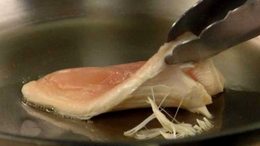 3. Dry-Heat Cooking Methods
Explore dry-heat techniques such as sautéing, roasting, grilling, and searing.
-
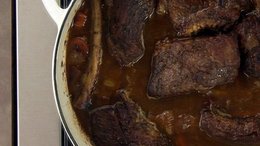 4. Moist-Heat Cooking Techniques
Develop an understanding of cooking techniques that use water, steam, and other liquids.
-
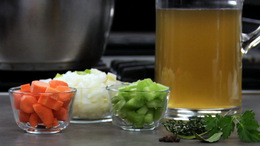 5. Stock Fundamentals
Explore the principles of preparing flavorful stocks as the foundation for soups, sauces, and other dishes.
-
 6. Seasoning
Develop an understanding of seasoning, flavor development, and balancing ingredients.
-
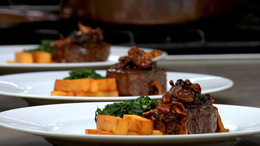 7. Basic Plating
Explore fundamental plating and presentation techniques for visually appealing dishes.
-
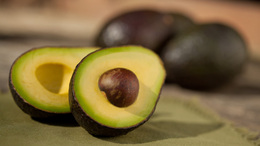 8. Nutrition in the Kitchen
Explore essential nutrition concepts and their application to ingredient selection and food preparation.
Ingredient Preparation & Culinary Applications
-
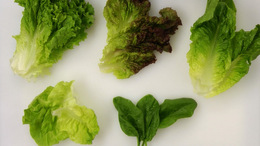 9. Salads & Vinaigrettes
Explore the preparation of salads, dressings, and vinaigrettes, with an emphasis on flavor and balance.
-
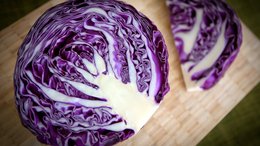 10. Vegetables
Explore vegetable selection, preparation, and cooking techniques.
-
 11. Eggs
Develop foundational skills for preparing eggs using different cooking methods.
-
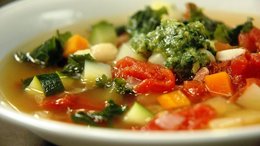 12. Soups
Explore soup preparation, foundational techniques, and flavor development.
-
 13. Sauces
Learn the fundamental principles of sauce preparation, consistency, and flavor.
-
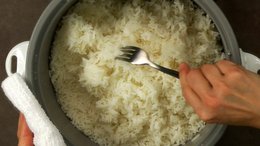 14. Rice & Grains
Explore the preparation and cooking of rice and grains, with attention to texture and consistency.
-
 15. Legumes & Pulses
Develop an understanding of legumes and pulses, including their preparation and culinary applications.
-
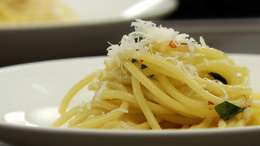 16. Pasta
Explore pasta preparation, cooking techniques, and applications in a variety of dishes.
Proteins, Baking & Pastry
-
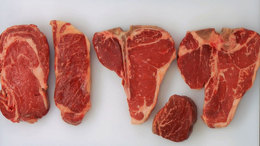 17. Meat
Explore fundamental meat preparation, cooking methods, and techniques for achieving quality results.
-
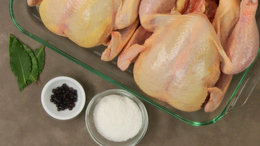 18. Poultry
Develop essential skills for preparing and cooking poultry.
-
 19. Fish
Explore fish preparation, handling, and fundamental cooking techniques.
-
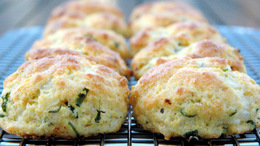 20. Baking Basics & Breads
Explore the fundamentals of baking, ingredient functions, and bread preparation.
-
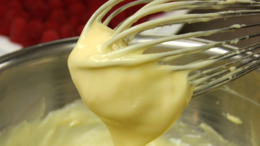 21. Pastry Basics
Develop an understanding of foundational pastry ingredients, preparation, and baking techniques.
-
 22. Chocolate
Explore the characteristics, handling, and culinary applications of chocolate.
The right skills. The right roles. A stronger culinary team.
Customize culinary training to align with your team's job descriptions, responsibilities, and core competencies. Create targeted learning pathways using the curriculum units relevant to each position, from foundational onboarding to advanced culinary development.
Employees complete assigned training at their own pace, building the practical skills needed for their current roles while developing competencies for career advancement.
| Job Role | Core Competencies | Assigned Curriculum |
|---|---|---|
| Prep Cook | Food safety, knife proficiency, ingredient preparation | Food & Kitchen Safety; Knives, Knife Cuts & Knife Sharpening; Vegetables; Seasoning |
| Line Cook | Cooking techniques, station execution, consistency | Dry-Heat Cooking Methods; Moist-Heat Cooking Techniques; Eggs; Meat; Poultry; Fish; Basic Plating |
| Garde Manger | Cold food preparation, presentation, flavor balance | Salads & Vinaigrettes; Vegetables; Seasoning; Nutrition in the Kitchen; Basic Plating |
| Pastry Cook | Baking fundamentals, ingredient preparation, pastry production | Baking Basics & Breads; Pastry Basics; Chocolate |
| Lead Cook / Sous Chef | Cross-station proficiency, advanced preparation, culinary consistency | Stock Fundamentals; Soups; Sauces; Rice & Grains; Legumes & Pulses; Pasta; Meat; Poultry; Fish |
An example of how Culinary Foundations units can be mapped to five common kitchen positions.
A prep cook's foundational skills.
Job responsibility: Prepare ingredients safely, accurately, and consistently according to the kitchen's recipes and production standards.
Complete the assigned curriculum and demonstrate the required competencies through an employer-defined practical skills evaluation.
-
1
Food & Kitchen Safety
Core competency: Safe food handling and kitchen sanitation.
-
2
Knives, Knife Cuts & Knife Sharpening
Core competency: Safe, accurate, and consistent knife skills.
-
3
Vegetables
Core competency: Ingredient preparation and appropriate cooking techniques.
-
4
Seasoning
Core competency: Fundamental seasoning techniques and flavor balance.
Build training around your workforce.
-
01
Identify role requirements
Define the essential skills and core competencies for each position using your organization's job descriptions.
-
02
Assign relevant curriculum
Map Culinary Foundations units to each position to create targeted onboarding, role development, and cross-training pathways.
-
03
Develop and validate skills
Team members complete their assigned learning, while culinary leaders evaluate practical competency against established operational standards.
-
04
Create career development pathways
Expand assignments as employees develop, helping them prepare for additional station responsibilities and future roles.
Build the bench. Strengthen the kitchen.
From onboarding to career advancement, deliver the culinary training your teams need, aligned with the skills their roles demand.
- Curriculum mapped to your roles and core competencies
- Program details and pricing for your team size
- Reporting, credentials and rollout support
- Live, in-person training options available
Prefer to talk? Call 800-677-0131 or email studentservices@rouxbe.com