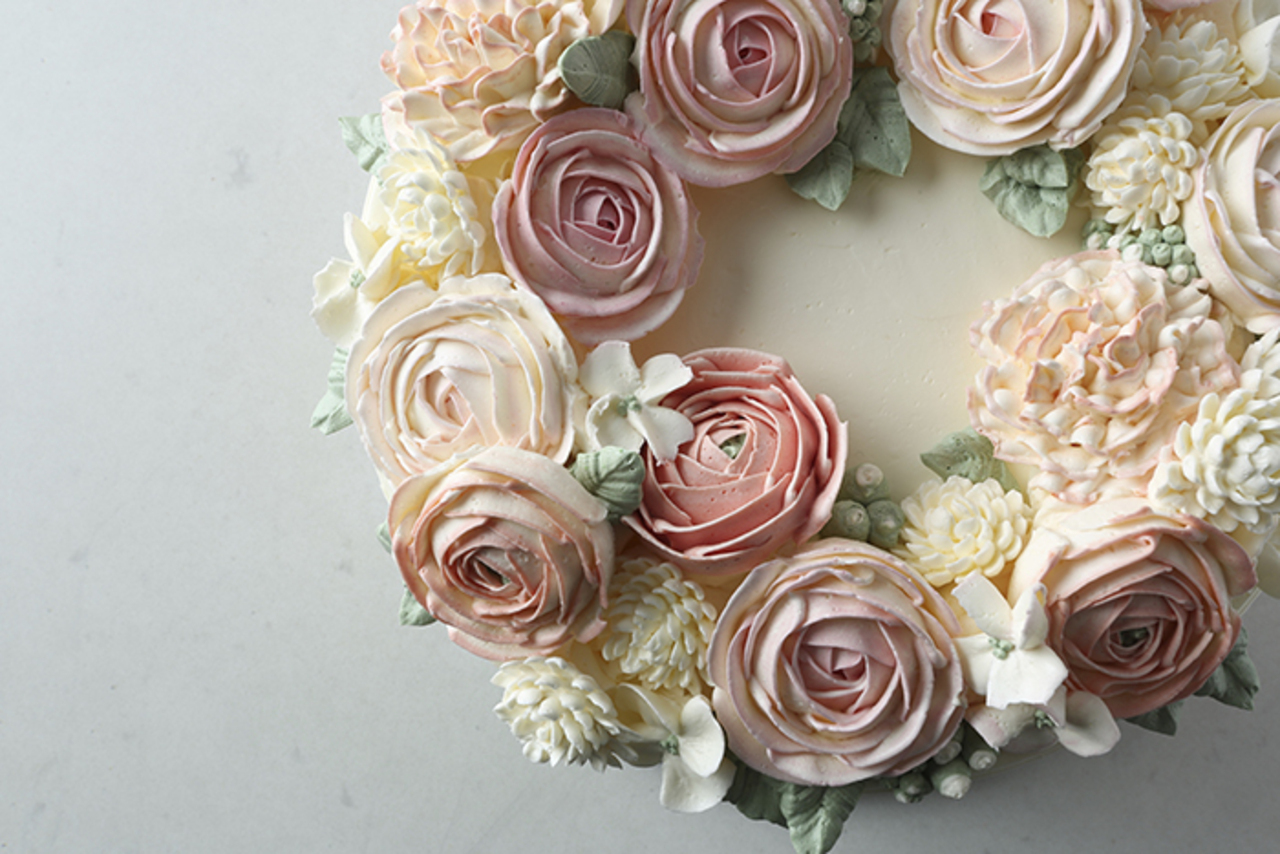
Cake Baking & Decorating Arts Course
Course Overview
Developed by The French Pastry School master bakers, Jacquy Pfeiffer and Sébastien Canonne, M.O.F., this immersive course dives into cake baking and decorating at the highest standard. Students will learn the principles of baking science and how to execute more than 80 recipes ranging from classic sponge cake to traditional buttercream.
Course Objectives
At the end of this course you'll be able to:
- Create and organize an environment for your cake baking & decorating course
- Understand the fundamental role of cornerstone ingredients in cake making
- Differentiate between the types of fats and how each is applied in recipes
- Understand the different techniques for a hot and cold process sponge
- Understand the different techniques for the three types of buttercream – French, Italian, and Swiss
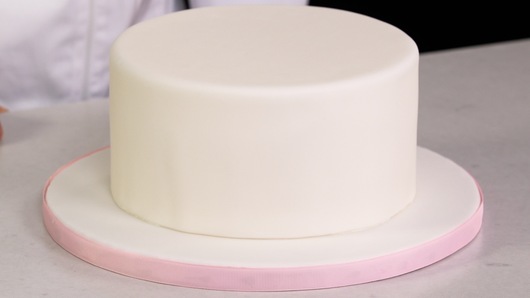
- Practice covering a cake and cake board in rolled fondant
- Practice piping using buttercream and chocolate mediums
- Learn how to flood or fill in a cookie with fluid royal icing
- Practice flooding with royal icing runouts, wings, and collars
- Learn three-string work techniques: basic, Oriental, and Australian Extension
- Recognize the proper consistency of gum paste, modified gum paste, and 50/50 paste
- Apply the advanced sugar paste decoration principles to make pearls, ombré effects, ruffles, frills, bas relief, embossing, and stamping
- Identify the use of proper equipment and tools to make basic gum paste flowers
- Create up to three three-dimensional figures to apply to the sculpted cake
Course Syllabus
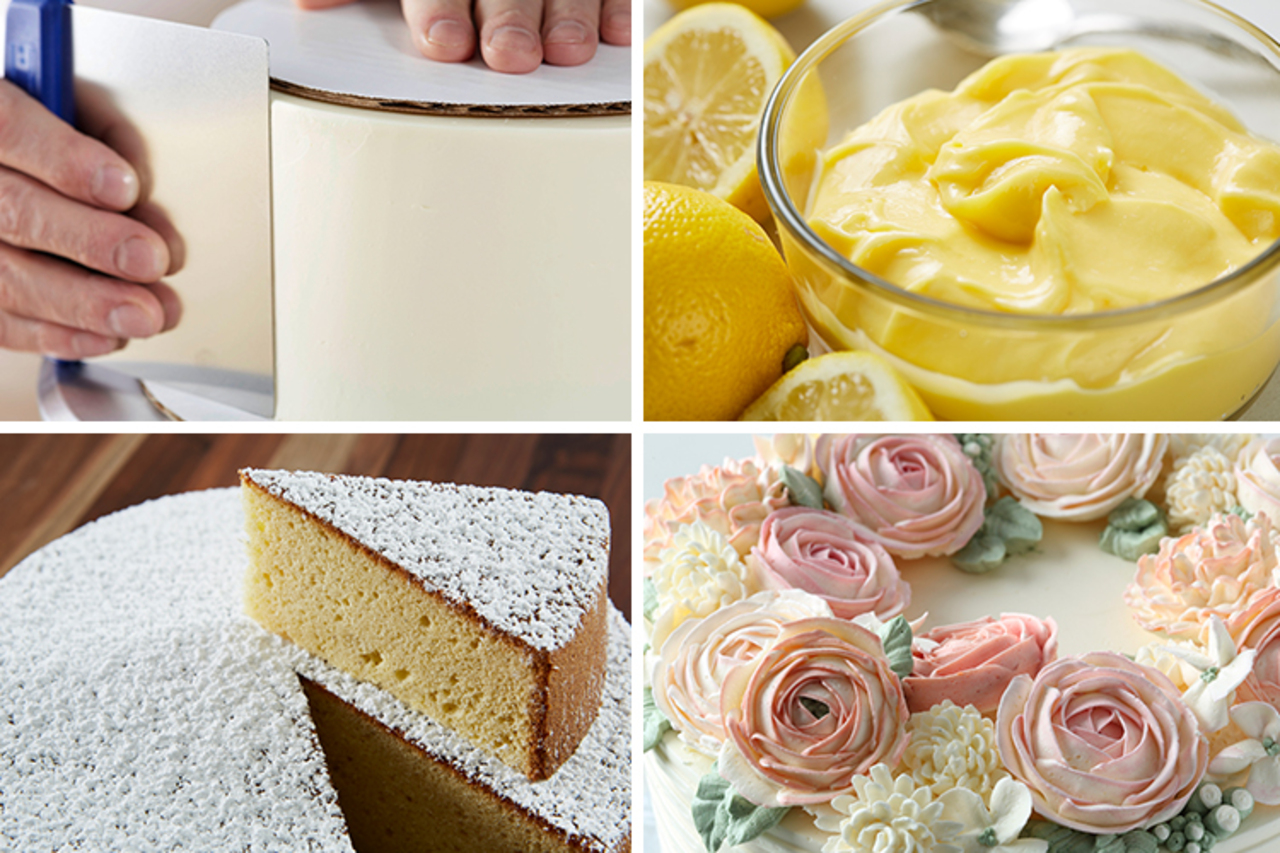
Unit 1: Welcome to Your Cake Baking and Decorating Arts Course
It’s important first to learn the basics; we start with the principle of making cakes, fillings, and coverings. Understanding the science and the ingredient interactions will strengthen your basic knowledge and transcend to your own personal recipe development later.
View unit lessons
Lesson 1
Course Orientation
Welcome! This first unit will orient you on the course set up and give you the tools for success.
Unit 2: Basics of Baking & Baking Skills
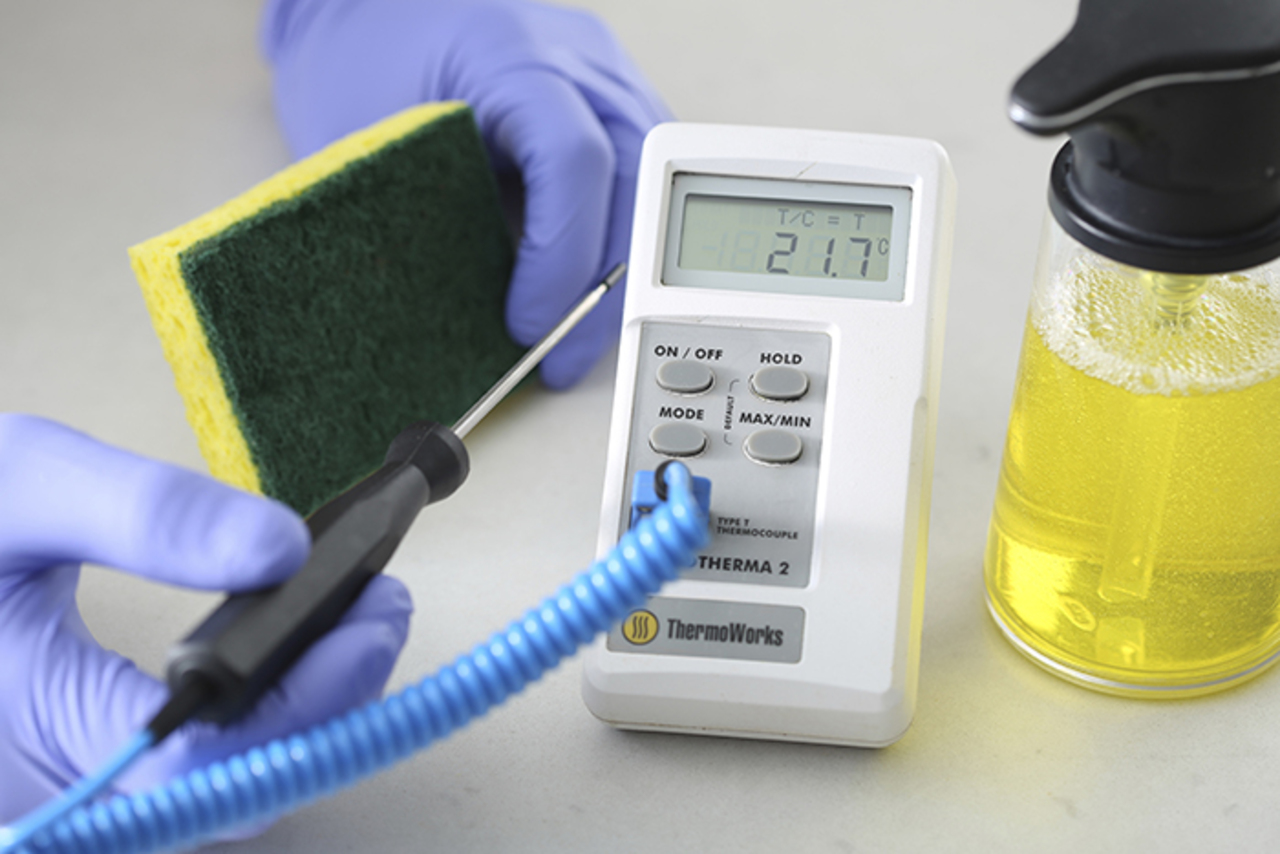
This unit contains several areas of focus: food safety, the basics of baking, and the importance of scaling. We consider these topics an essential aspect of your baking foundation. We will start with food safety or sanitation.
View unit lessons
Lesson 1
Unit Introduction
Understand potential bacteria in your workspace.
Lesson 2
Basics of Sanitation
Essential sanitation principles are necessary for safely preparing food.
Lesson 3
Basics of the Baking Process
Lesson 4
Unit Review & Assessment
Review and assess the different principles and techniques you have learned in this unit.
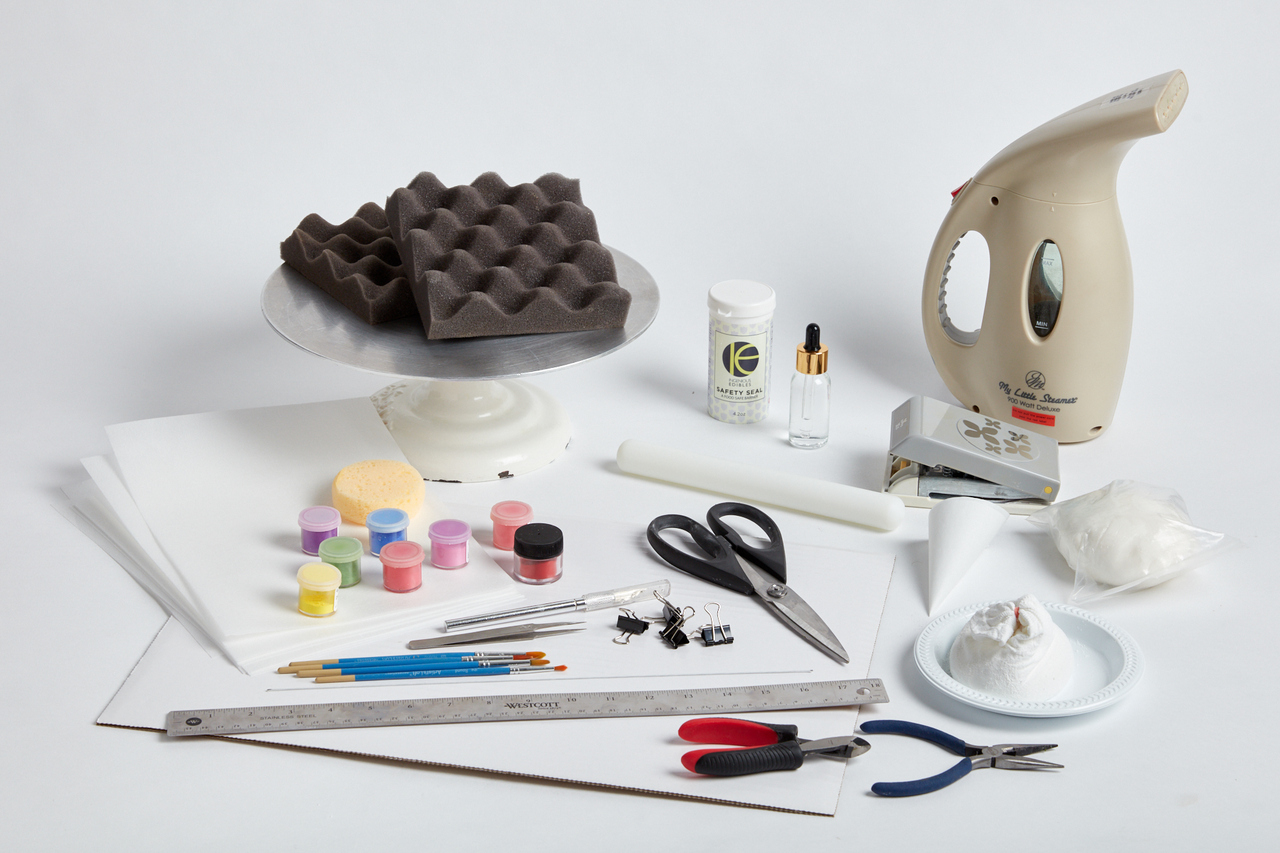
Unit 3: Prepare Your Cake Decorating Studio
One of the essential pieces of advice we can offer is to use the right tool for the right job. Using the right tool can mean the success or failure of a recipe, so this lesson introduces you to some of the most commonly used tools in the baking kitchen.
View unit lessons
Lesson 1
Unit Introduction
Transform your kitchen into a small bakery.
Lesson 2
Rearrange Your Cake Decorating Kitchen and Pantry
Setting up your kitchen and pantry space is essential for this learning experience.
Lesson 3
Cake Decorating & Gum Paste Flower Tools
Learn to use the right tool for the right task. (Not all tools are required, but recommendations for each job are listed).
Lesson 4
Student Activity | Setting Up Your Cake Decorating Studio
Set up a clean, organized, and efficient kitchen space for success.
Lesson 5
The Basics of Piping
Lesson 6
Unit Review & Assessment
Review and assess the different principles and techniques you have learned in this unit.
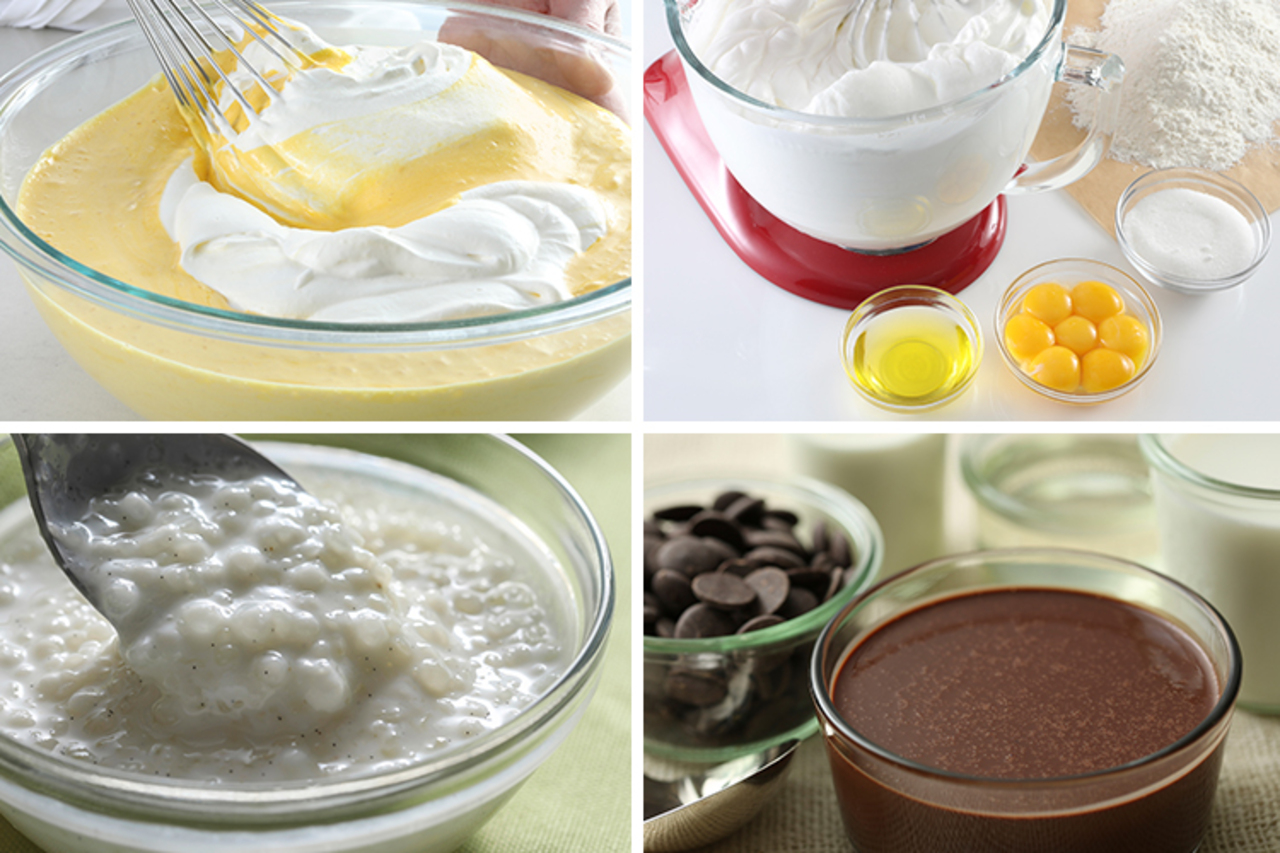
Unit 4: Cornerstone Ingredients
This Unit presents an overview of some of the basic food science principles used in cake baking, filling, and frosting making while helping you comprehend what factors make a baked product succeed or fail.
View unit lessons
Lesson 1
Unit Introduction
Understanding the cornerstone ingredients and how they react with other components are identified in this unit.
Lesson 2
General Baking Principles
Explore various food science facts about quick breads.
Lesson 3
What is Sugar?
Sugar, a cornerstone ingredient in most recipes, plays a crucial role in the mixing and baking process of quick breads.
Lesson 4
The Basics of Eggs
Eggs, a cornerstone ingredient, is the focus of this unit. We'll explore the unique properties and how they function in a recipe.
Lesson 5
Butter and Fats
The properties of butter and cream are essential to most baked recipes. Here we’ll explain the vital role of these cornerstone ingredients.
Lesson 6
Basics of Milk & Cream
The properties of butter and cream are essential to most baked recipes. Here we’ll explain the vital role of these cornerstone ingredients.
Lesson 7
Student Activity | Make Your Own Cake or Cupcake
Get your feet wet with your first baking activity. Show us a type of quick bread you enjoy making.
Lesson 8
Unit Review & Assessment
Review and assess the different principles and techniques you have learned in this unit.
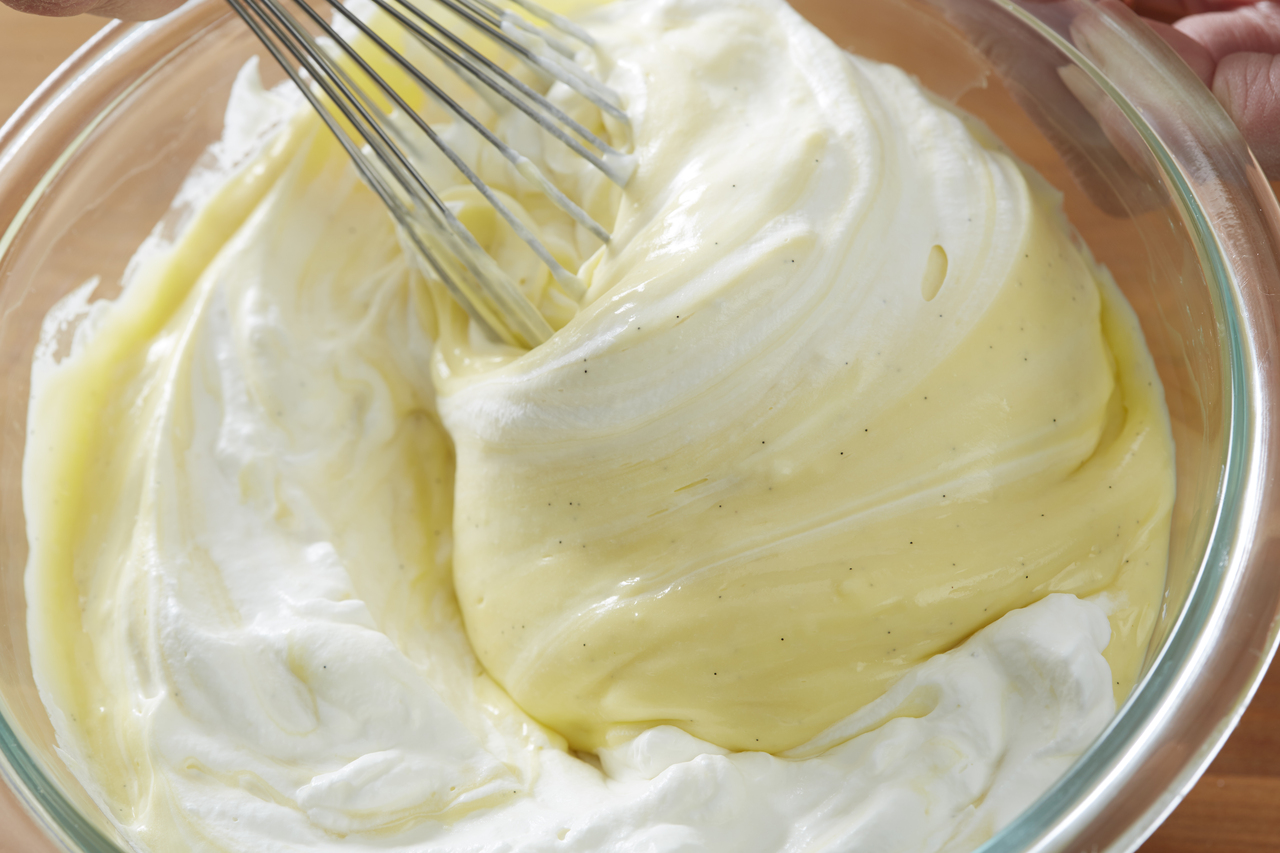
Unit 5: Sponges
In this unit, we’ll introduce the types of sponges, beginning with hot and cold process Génoise and American-style sponges, like dark chocolate, red velvet, and white cakes.
View unit lessons
Lesson 1
Unit Introduction
In Unit 6, we are introducing three classic breakfast quick breads focusing on the use of chemical leaveners in each recipe.
Lesson 2
Cake Decorating Principles | Sponges
This Lesson covers essential techniques of breakfast quick breads.
Lesson 3
Student Activity | Make Two Sponges
Make a Breakfast Pastry featured in this Unit.
Lesson 4
Unit Review & Assessment
Review and assess the different principles and techniques you have learned in this unit.
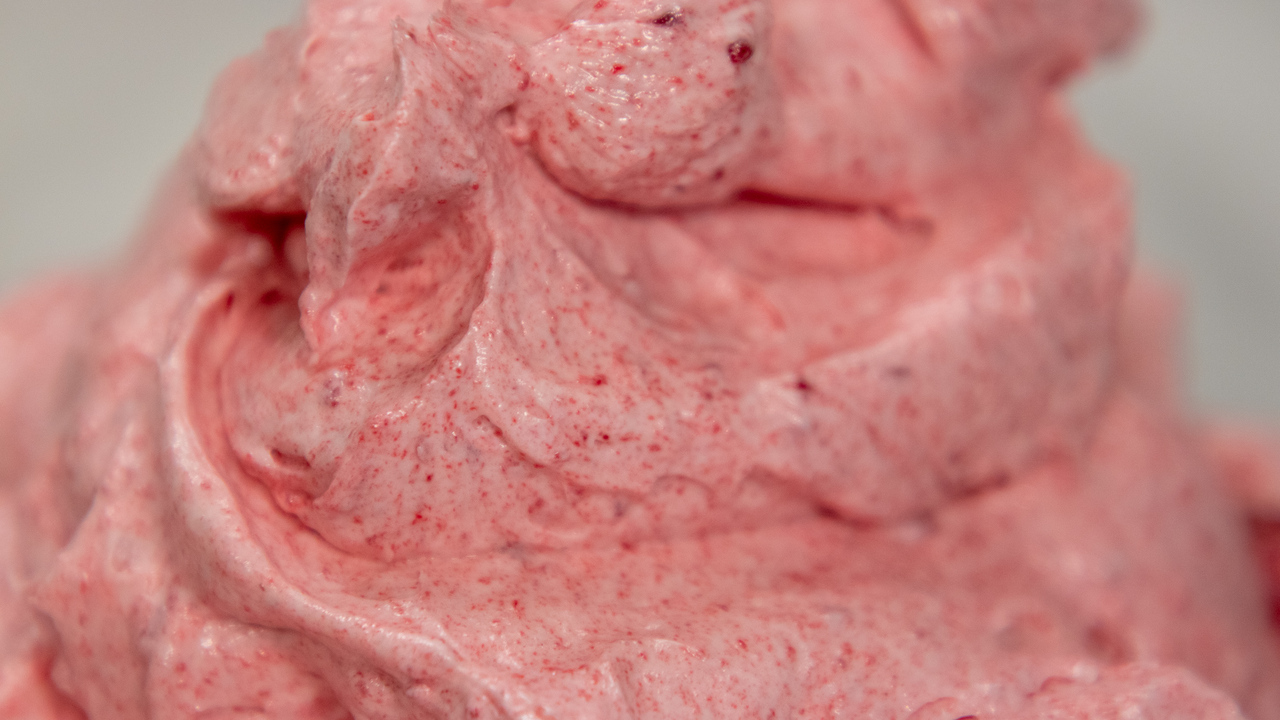
Unit 6: Fillings & Frostings
In this Unit, we’ll explore various types of fillings in this unit, like lemon cream and crème légère, then move onto five kinds of frostings, including buttercream, cream cheese, and chocolate glaze.
View unit lessons
Lesson 1
Unit Introduction
In Unit 6, we are introducing three classic breakfast quick breads focusing on the use of chemical leaveners in each recipe.
Lesson 2
Cake Decorating Principles | Types of Fillings
This Lesson covers essential techniques of breakfast quick breads.
Lesson 3
Cake Decorating Principles | Traditional Ganaches
This Lesson covers essential techniques of breakfast quick breads.
Lesson 4
Cake Decorating Principles | Types of Buttercream & Frostings
This Lesson covers essential techniques of breakfast quick breads.
Lesson 5
Cake Decorating Principles | How to Flavor Buttercream
This Lesson covers essential techniques of breakfast quick breads.
Lesson 6
Introduction | Whole Caramelized Nuts
This Lesson covers essential techniques of breakfast quick breads.
Lesson 7
Student Activity | Make a Filling & Buttercream
Make a Breakfast Pastry featured in this Unit.
Lesson 8
Unit Review & Assessment
Review and assess the different principles and techniques you have learned in this unit.
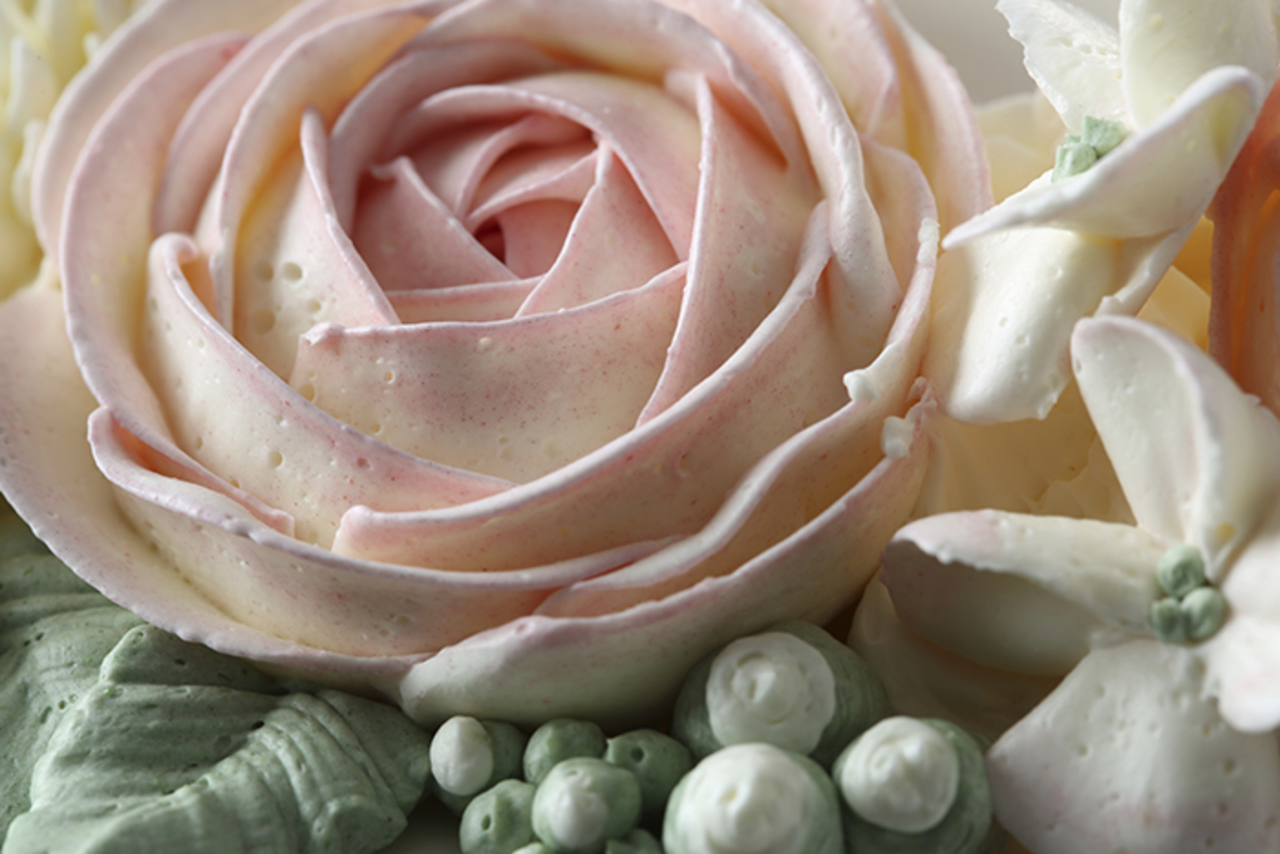
Unit 7: Buttercream Piping
We’ll begin unit 9 by demonstrating essential piping techniques using buttercream, then teach the techniques of piping inscriptions using a cornet or parchment paper cone and chocolate. Finally, you’ll learn how to pipe buttercream flowers, an advanced piping skill that uses a flower nail and parchment paper squares.
View unit lessons
Lesson 1
Unit Introduction
In Unit 6, we are introducing three classic breakfast quick breads focusing on the use of chemical leaveners in each recipe.
Lesson 2
Cake Decorating Principles | Basic Piping with Buttercream
This Lesson covers essential techniques of breakfast quick breads.
Lesson 3
Cake Decorating Principles | Using a Cornet
This Lesson covers essential techniques of breakfast quick breads.
Lesson 4
Introduction to Buttercream Piped Flowers
Lesson 5
Cake Decorating Principle | Making a Piping Practice Board, optional
This Lesson covers essential techniques of breakfast quick breads.
Lesson 6
Unit Review & Assessment
Review and assess the different principles and techniques you have learned in this unit.
Unit 8: Building a Buttercream Cake
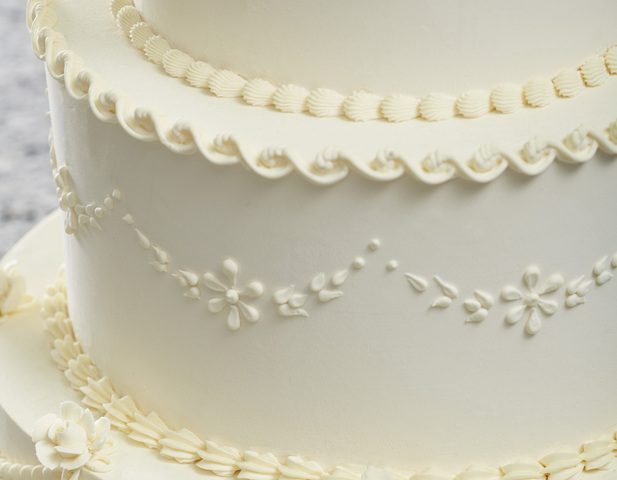
In this unit, you will learn the fundamentals of how to build and stack a two-tiered cake with stability and accuracy.
View unit lessons
Lesson 1
Unit Introduction
In Unit 6, we are introducing three classic breakfast quick breads focusing on the use of chemical leaveners in each recipe.
Lesson 2
Cake Decorating Principles | Building a Buttercream Cake
Lesson 3
Student Activity | Assemble a Buttercream Cake
Lesson 4
Unit Review & Assessment
Review and assess the different principles and techniques you have learned in this unit.
Unit 9: Rolled Fondant Making & Covering a Cake
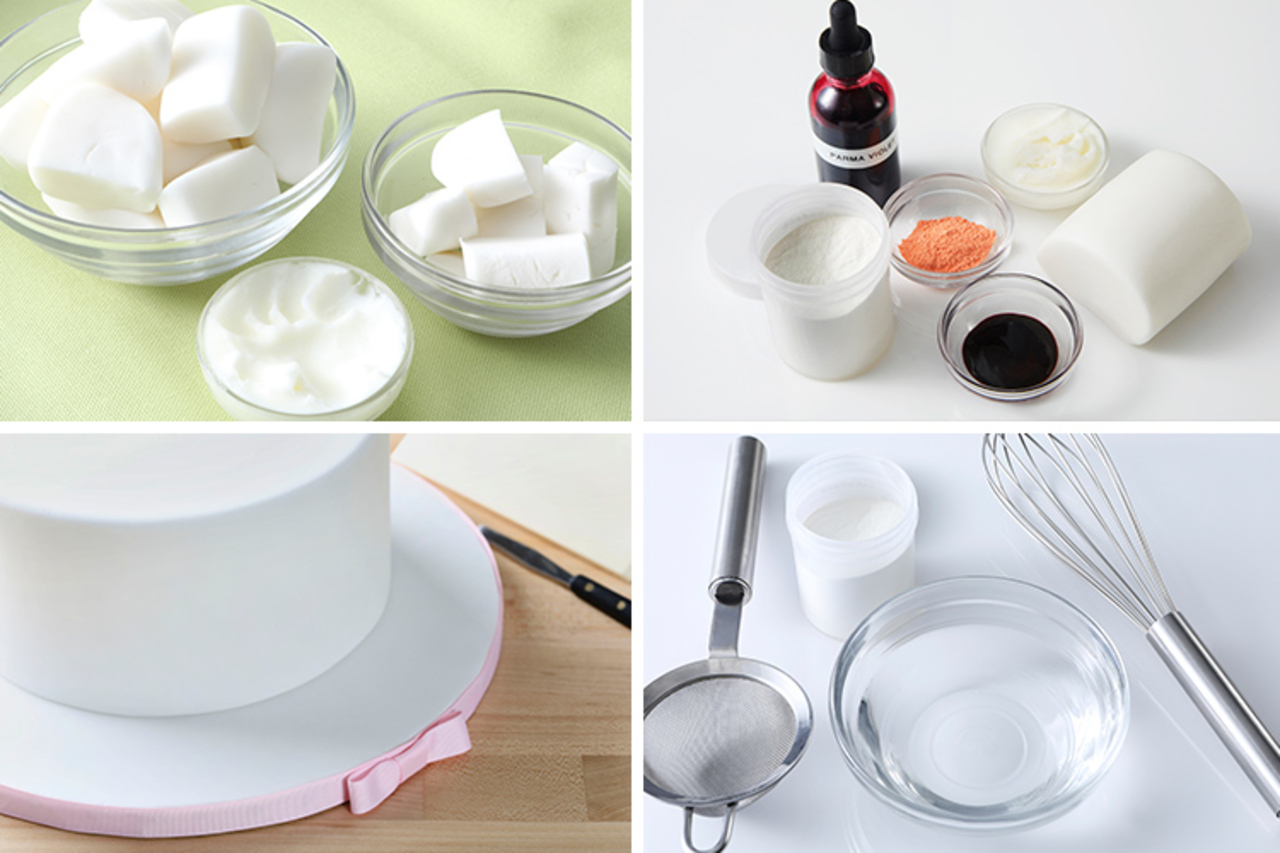
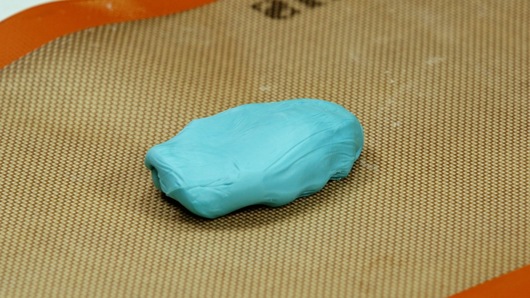
In this unit, you’ll practice all things fondant. First, you’ll learn a quick rolled fondant recipe, then practice applying this covering on a cake. We also include a recipe that teaches how to modify rolled fondant to manipulate it for future cake decorating projects.
View unit lessons
Lesson 1
Unit Introduction
In Unit 6, we are introducing three classic breakfast quick breads focusing on the use of chemical leaveners in each recipe.
Lesson 2
Cake Decorating Principles | Rolled Fondant Making
This Lesson covers essential techniques of breakfast quick breads.
Lesson 3
Cover a Cake & Cake Board in Rolled Fondant
This Lesson covers essential techniques of breakfast quick breads.
Lesson 4
Cake Decorating Principles | Modified Fondant
This Lesson covers essential techniques of breakfast quick breads.
Lesson 5
Student Activity | Make Rolled Fondant
Make a Breakfast Pastry featured in this Unit.
Lesson 6
Unit Review & Assessment
Review and assess the different principles and techniques you have learned in this unit.

Unit 10: Royal Icing Floodwork
In this unit, you will learn two new shortbread dough making techniques; the sanding method & how to fraser a dough. You’ll also learn how to master making royal icing and adjusting its consistency to fill in, sometimes called “flooding,” large areas of the cookie.
View unit lessons
Lesson 1
Unit Introduction
In Unit 6, we are introducing three classic breakfast quick breads focusing on the use of chemical leaveners in each recipe.
Lesson 2
Cake Decorating Principles | Butter & Vanilla Shortbread Cookies
This Lesson covers essential techniques of breakfast quick breads.
Lesson 3
Royal Icing for Decorated Cookies
This Lesson covers essential techniques of breakfast quick breads.
Lesson 4
Student Activity | Royal Icing for Decorated Cookies
Make a Breakfast Pastry featured in this Unit.
Lesson 5
Unit Review & Assessment
Review and assess the different principles and techniques you have learned in this unit.
Unit 11: Flood Work on Cakes
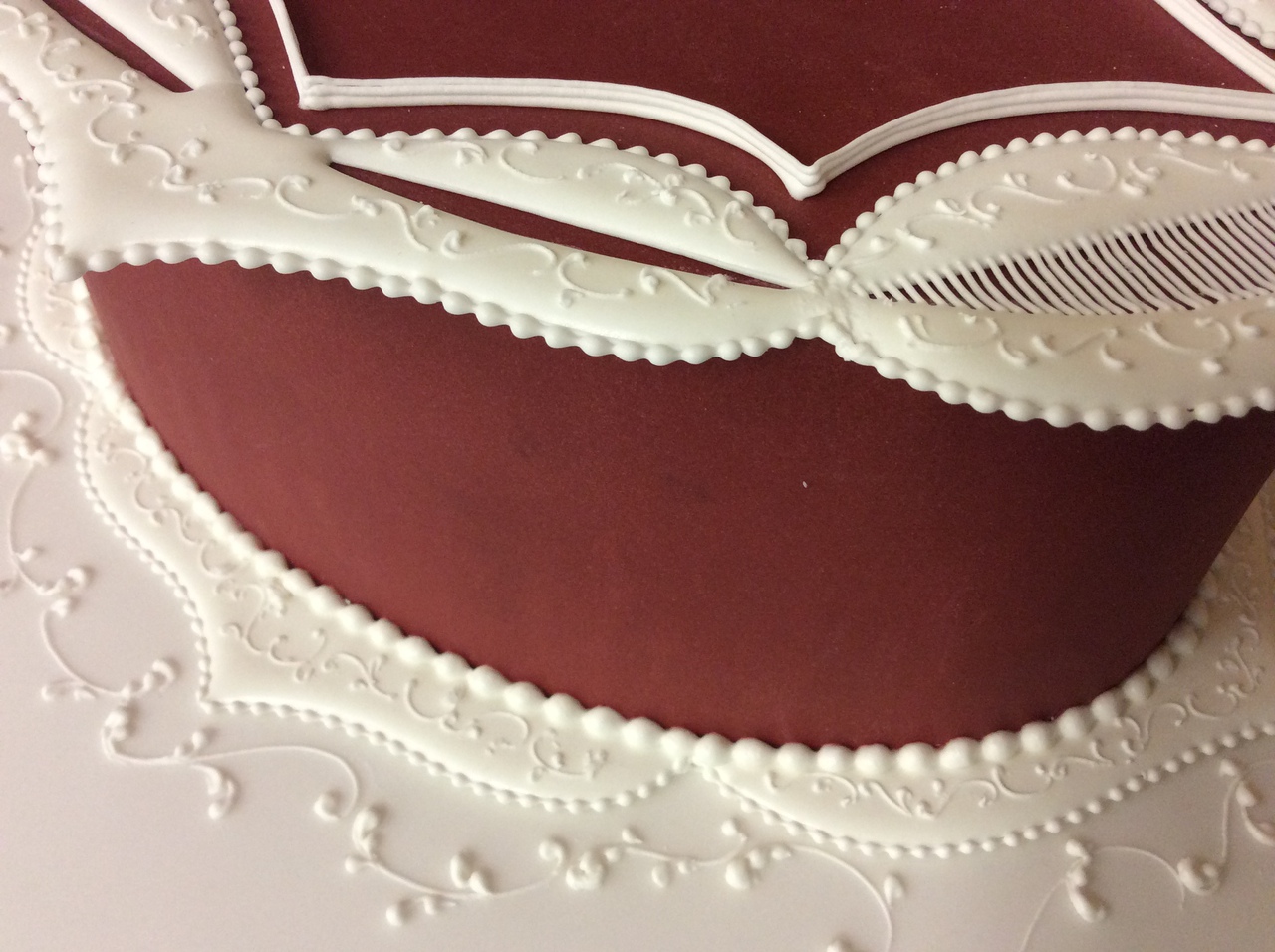
Our focus for this unit is all about teaching royal icing flooding techniques. Royal icing flood work dries smooth and makes ornate decorations on cakes or cookies. For this technique, you’ll learn to dilute royal icing to a fluid consistency and distribute it within an outlined shape.
View unit lessons
Lesson 1
Unit Introduction
In Unit 6, we are introducing three classic breakfast quick breads focusing on the use of chemical leaveners in each recipe.
Lesson 2
Cake Decorating Principles | Applying Royal Icing Flood Work on Cakes
This Lesson covers essential techniques of breakfast quick breads.
Lesson 3
Student Activity | Flood Work on a Cake
Make a Breakfast Pastry featured in this Unit.
Lesson 4
Unit Review & Assessment
Review and assess the different principles and techniques you have learned in this unit.
Unit 12: Advanced Royal Icing Piping
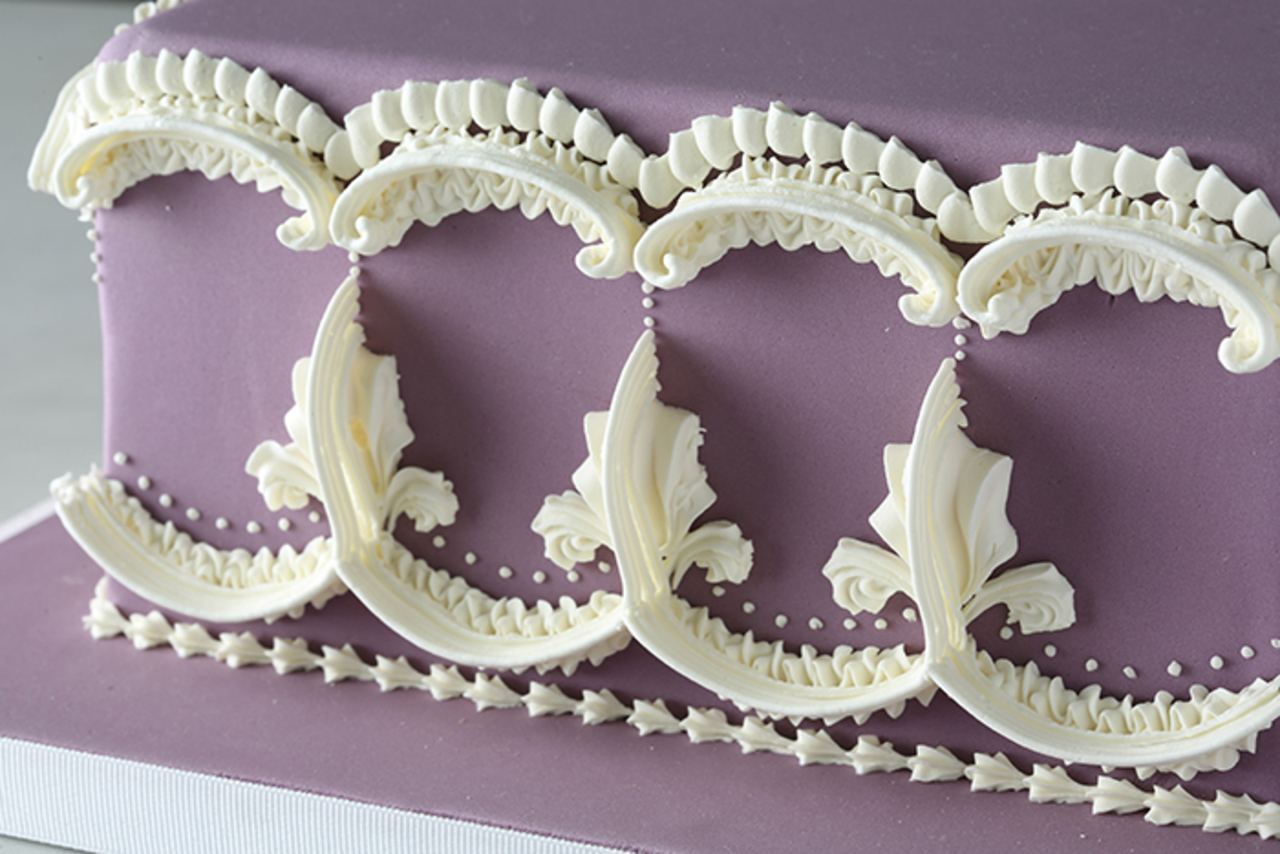
In this unit, our next focus is advanced royal icing piping, including over piping embellishments, Lambeth techniques, and string work.
View unit lessons
Lesson 1
Unit Introduction
In Unit 6, we are introducing three classic breakfast quick breads focusing on the use of chemical leaveners in each recipe.
Lesson 2
Cake Decorating Principles | Advanced Royal Icing Piping
This Lesson covers essential techniques of breakfast quick breads.
Lesson 3
Cake Decorating Principles | Royal Icing String Work
This Lesson covers essential techniques of breakfast quick breads.
Lesson 4
Student Activity | Advanced Royal Icing Piping
Make a Breakfast Pastry featured in this Unit.
Lesson 5
Unit Review & Assessment
Review and assess the different principles and techniques you have learned in this unit.
Unit 13: Gum Paste: Making & Simple Decorations
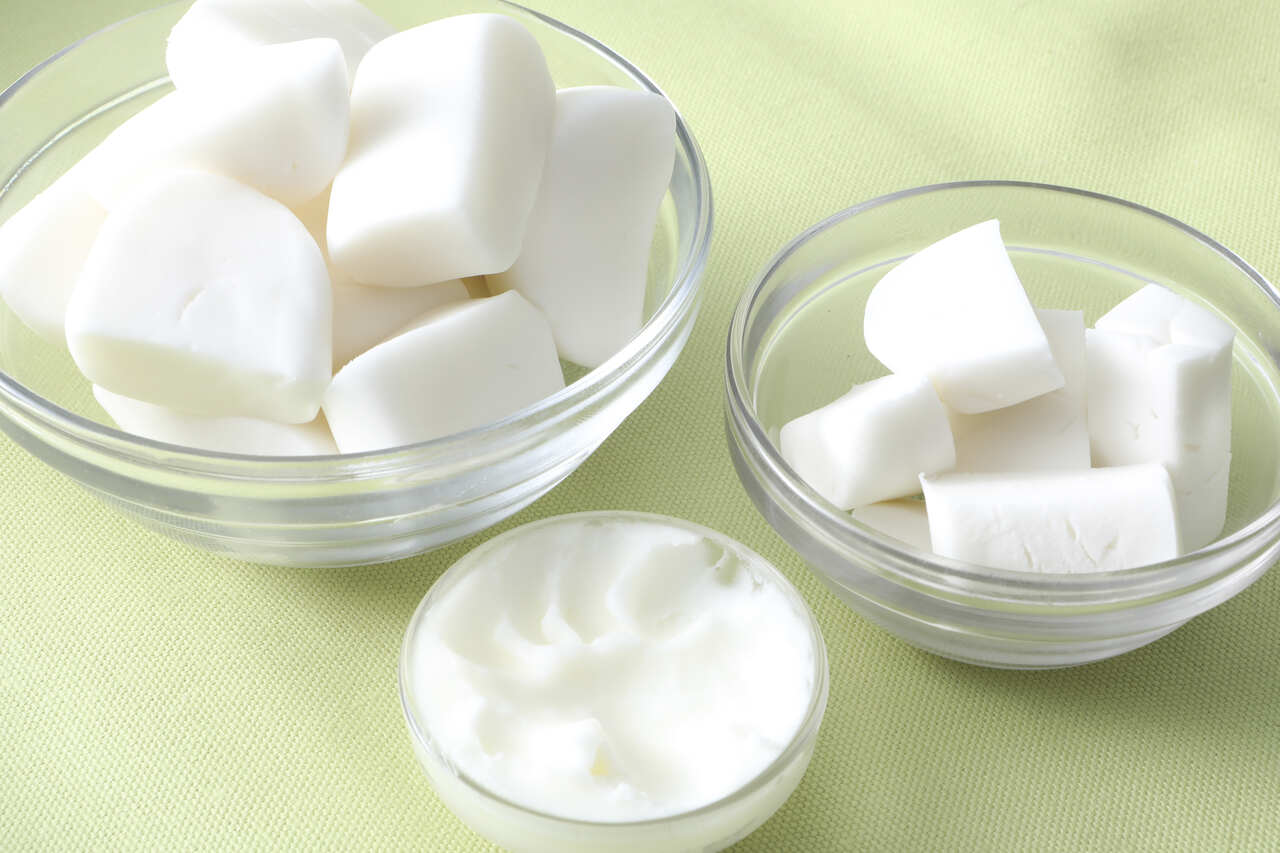
In Unit 13, we’ll introduce a sugar dough called gum paste. Gum paste is used to embellish many cake decorating projects. In this section, we will share our recipe for making gum paste and a modified gum paste that gives you a longer working time.
View unit lessons
Lesson 1
Unit Introduction
In Unit 6, we are introducing three classic breakfast quick breads focusing on the use of chemical leaveners in each recipe.
Lesson 2
Cake Decorating Principles | Making Gum Paste & Modified Gum Paste
This Lesson covers essential techniques of breakfast quick breads.
Lesson 3
Introduction | Edible Glue
This Lesson covers essential techniques of breakfast quick breads.
Lesson 4
Introduction | 50/50 Paste
This Lesson covers essential techniques of breakfast quick breads.
Lesson 5
Introduction | Bows
This Lesson covers essential techniques of breakfast quick breads.
Lesson 6
Introduction | Simple Rose
This Lesson covers essential techniques of breakfast quick breads.
Lesson 7
Student Activity | Gum Paste Decorations
Make a Breakfast Pastry featured in this Unit.
Lesson 8
Unit Review & Assessment
Review and assess the different principles and techniques you have learned in this unit.
Unit 14: Advanced Sugar Paste Decorations
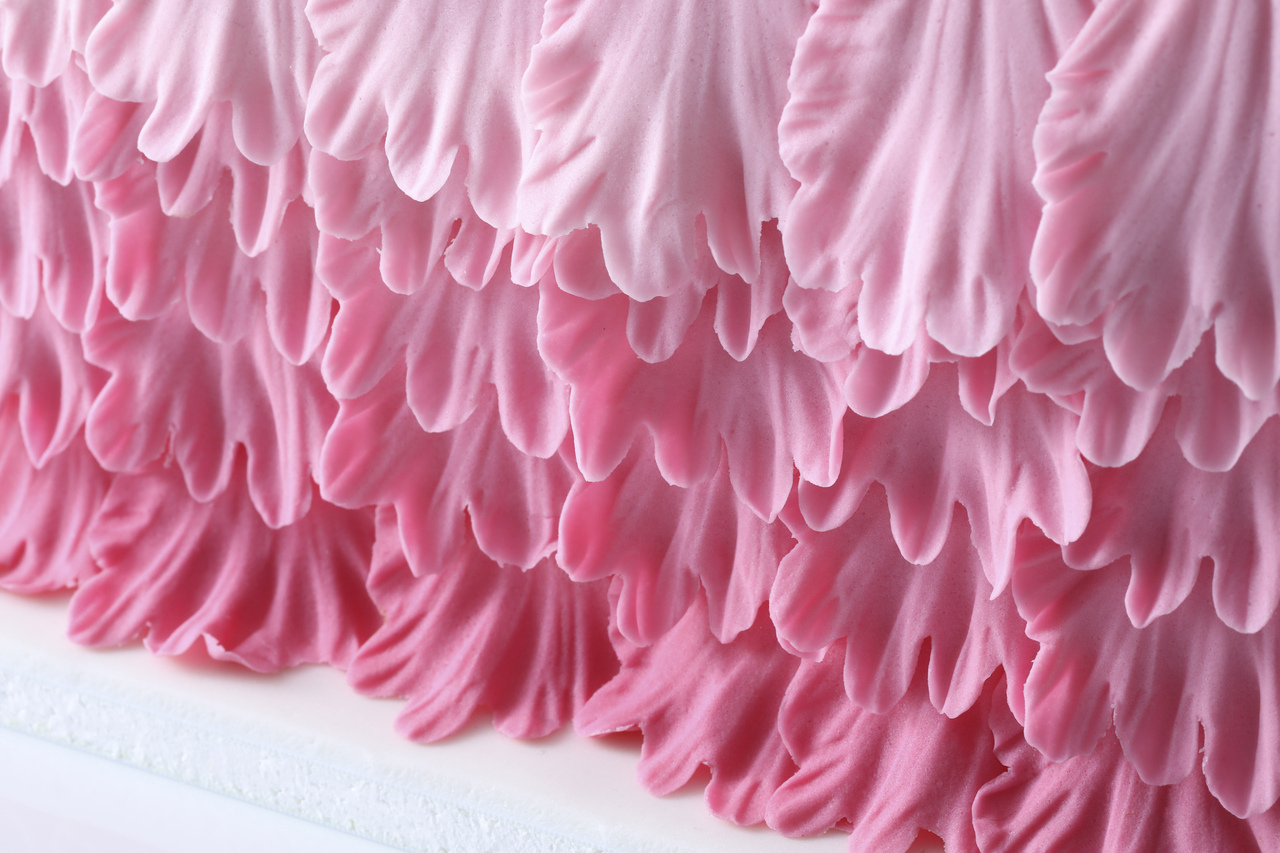
In our advanced sugar paste decorations unit, we’ll demonstrate techniques using fondant, modified fondant, or 50/50 paste for six cakes or cookie decorating embellishments.
View unit lessons
Lesson 1
Unit Introduction
In Unit 6, we are introducing three classic breakfast quick breads focusing on the use of chemical leaveners in each recipe.
Lesson 2
Cake Decorating Principles | Advanced Sugar Paste Decorations
This Lesson covers essential techniques of breakfast quick breads.
Lesson 3
Student Activity | Advanced Sugar Paste Decoration
Make a Breakfast Pastry featured in this Unit.
Lesson 4
Unit Review & Assessment
Review and assess the different principles and techniques you have learned in this unit.
Unit 15: Beginner Gum Paste Flowers
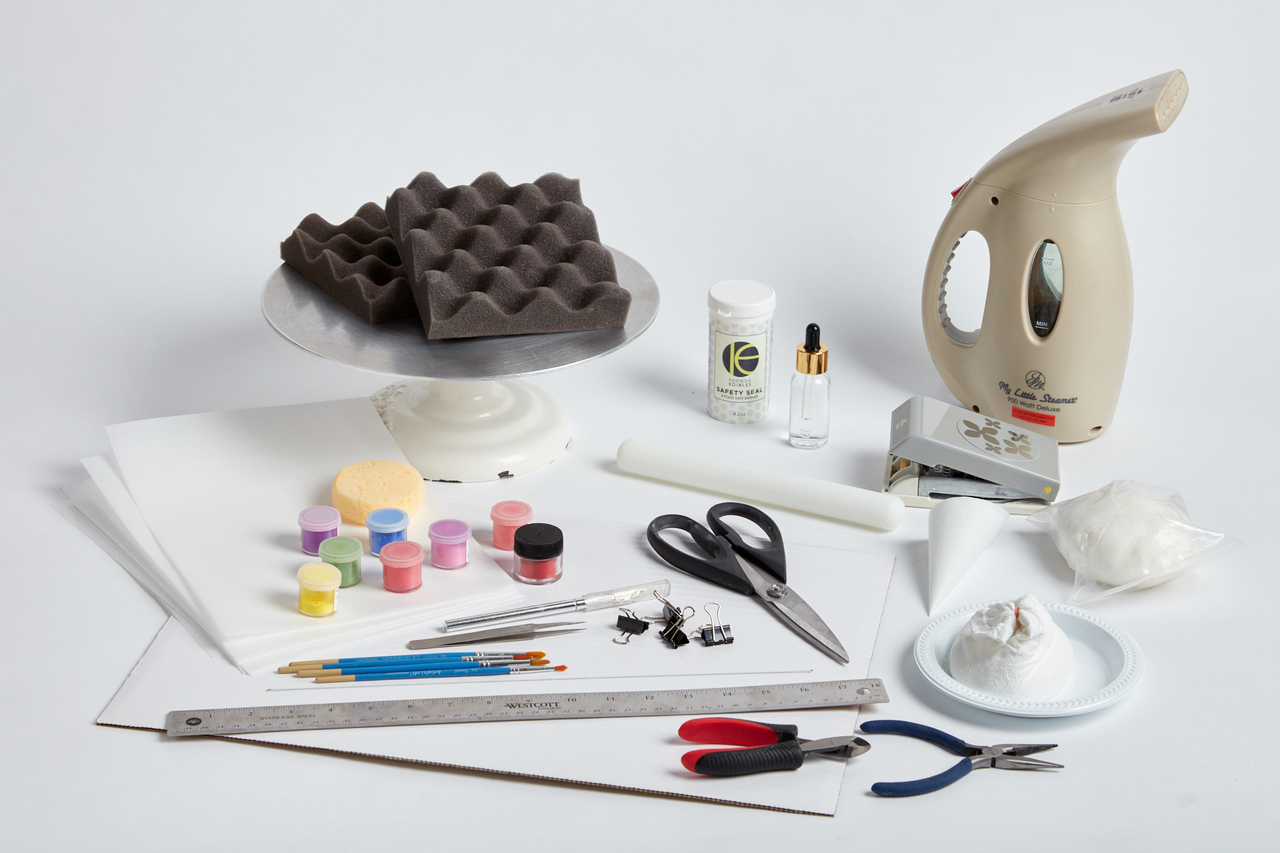
The lessons learned in this section are the cornerstone techniques used for making both beginner and advanced gum paste flowers. Once you’ve mastered these techniques, you will be able to create beautiful gum paste flowers skillfully.
View unit lessons
Lesson 1
Unit Introduction
In Unit 6, we are introducing three classic breakfast quick breads focusing on the use of chemical leaveners in each recipe.
Lesson 2
Cake Decorating Principles | Beginner Gum Paste Flowers
This Lesson covers essential techniques of breakfast quick breads.
Lesson 3
Student Activity | Beginner Gum Paste Flower
Make a Breakfast Pastry featured in this Unit.
Lesson 4
Unit Review & Assessment
Review and assess the different principles and techniques you have learned in this unit.
Unit 16: Advanced Gum Paste Flowers
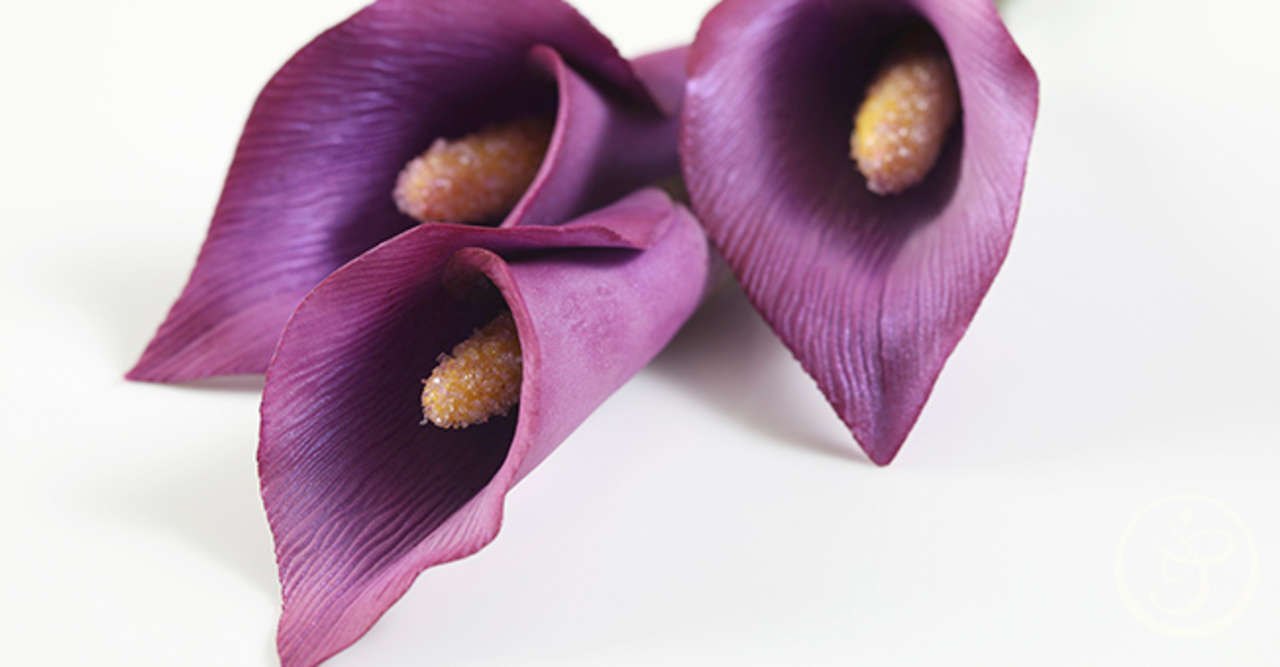
In this unit, you’ll learn complex flower components and tools that help mimic fine flower details. You’ll start by making a rose with multiple petal layers, a bud, calyx, and leaves.
View unit lessons
Lesson 1
Unit Introduction
Lesson 2
Cake Decorating Principles | Advanced Gum Paste Flowers
This Lesson covers essential techniques of breakfast quick breads.
Lesson 3
Student Activity | Advanced Gum Paste Flower
Make a Breakfast Pastry featured in this Unit.
Lesson 4
Unit Review & Assessment
Review and assess the different principles and techniques you have learned in this unit.
Unit 17: Packaging, Cutting, and Serving Cake
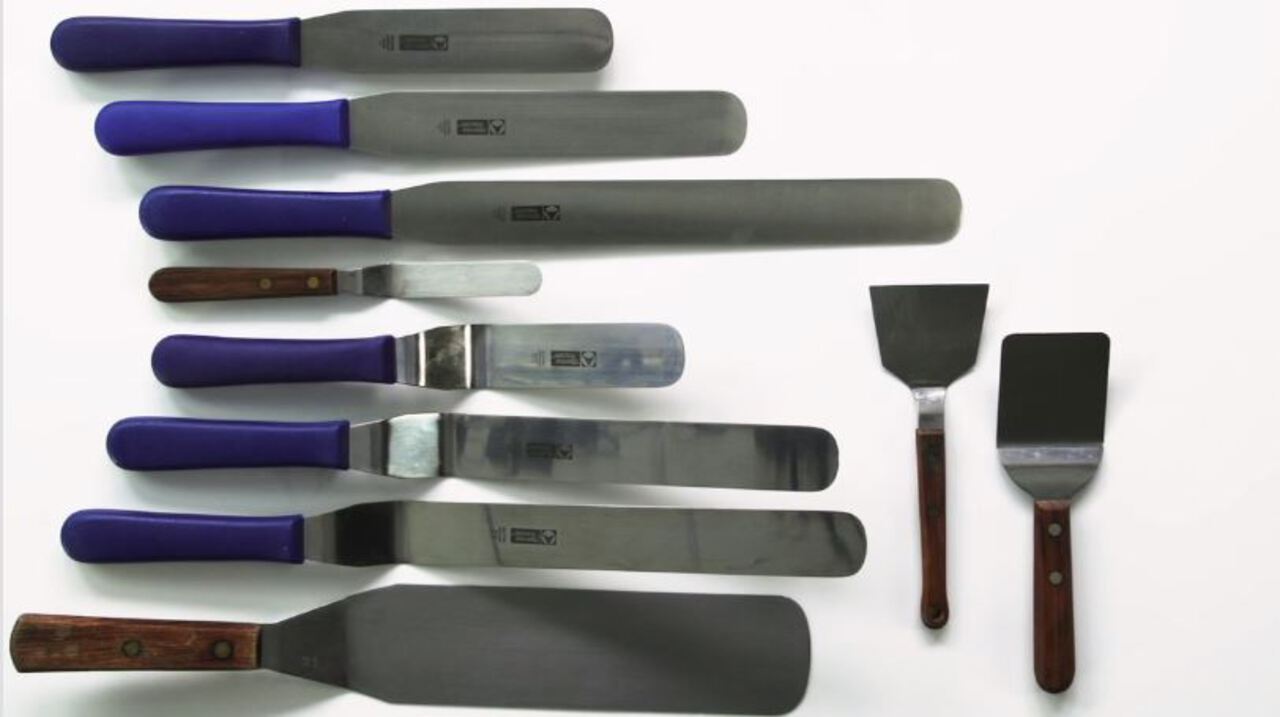
In this unit, we’ll offer some packaging and delivering tips to prevent mishaps and some basics on presenting the perfect slice.
View unit lessons
Lesson 1
Unit Introduction
Lesson 2
Cake Decorating Principles| Packaging, Cutting, and Serving Cake
This Lesson covers essential techniques of breakfast quick breads.
Lesson 3
Unit Review & Assessment
Review and assess the different principles and techniques you have learned in this unit.
Unit 18: Modeling Chocolate Figurines
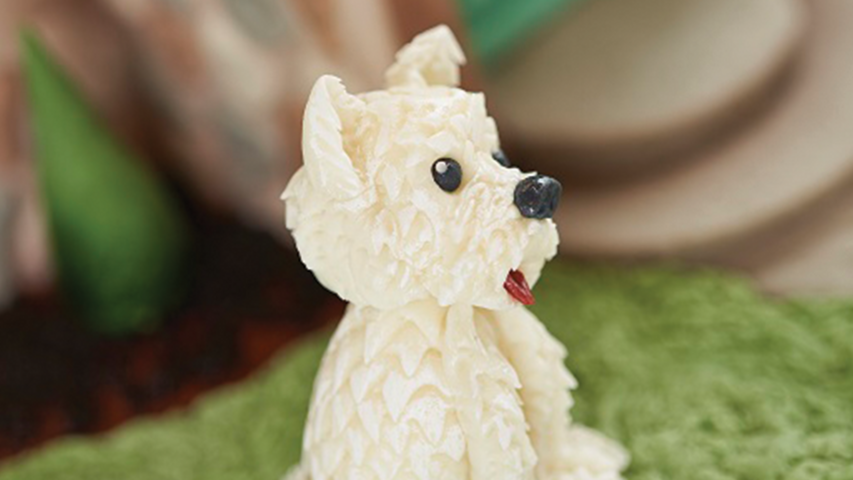
Unit 18 focuses on using modeling chocolate to create three-dimensional designs. Modeling chocolate is an excellent substitute for fondant because it is pliable and dries hard.
View unit lessons
Lesson 1
Unit Introduction
Lesson 2
Cake Decorating Principles | Modeling Chocolate
Lesson 3
Student Activity | Make Modeling Chocolate Figures
Lesson 4
Unit Review & Assessment
Unit 19: Intro to Sculpted Cakes - Preparing the Components
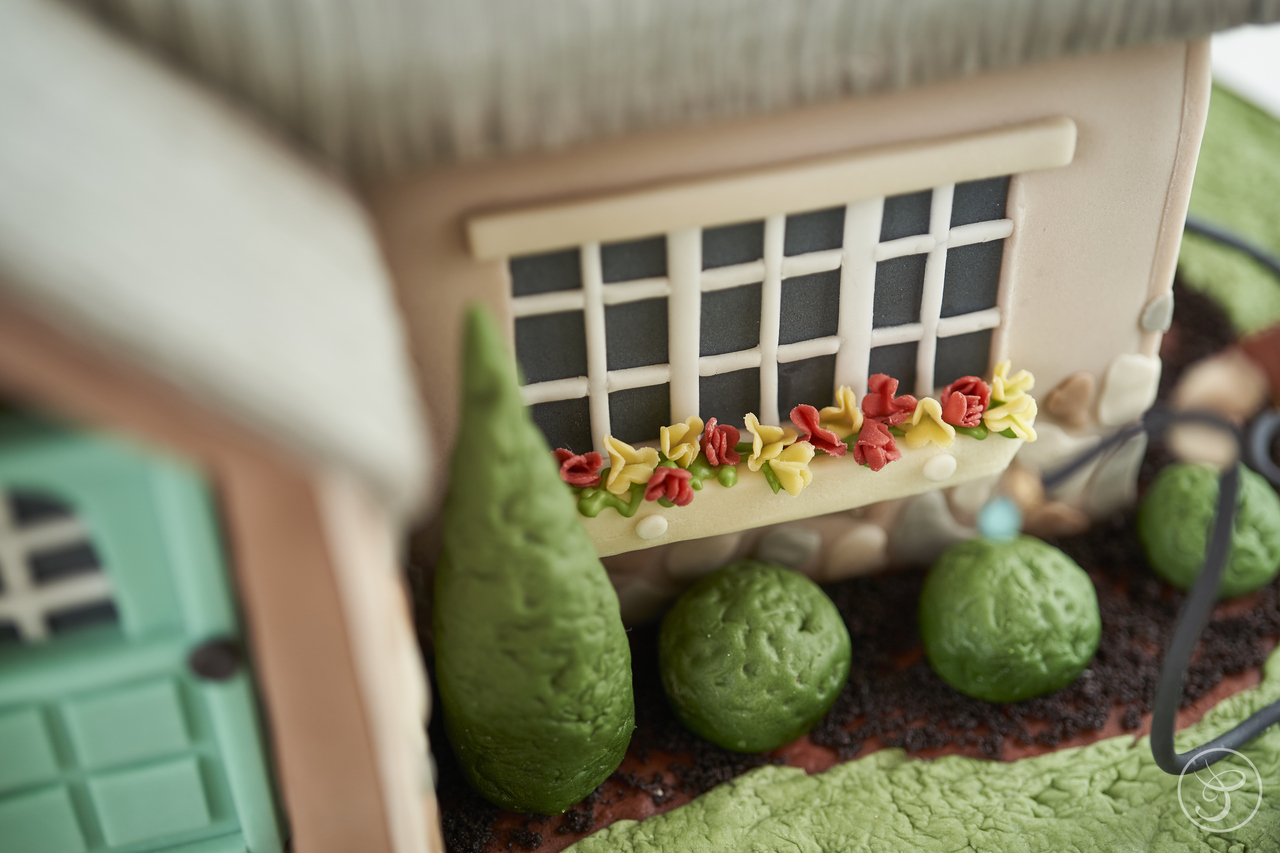
Before you begin the sculpted cottage cake for your capstone project, you’ll prepare the mise en place. The advanced preparation for the cottage cake is extensive, so we’ve dedicated unit 19 for prep.
View unit lessons
Lesson 1
Unit Introduction
Lesson 2
Introduction | Sculpted Cottage Cake Preparation - Preparing the Components
Unit 20: Capstone - Making a Sculpted Cottage Cake
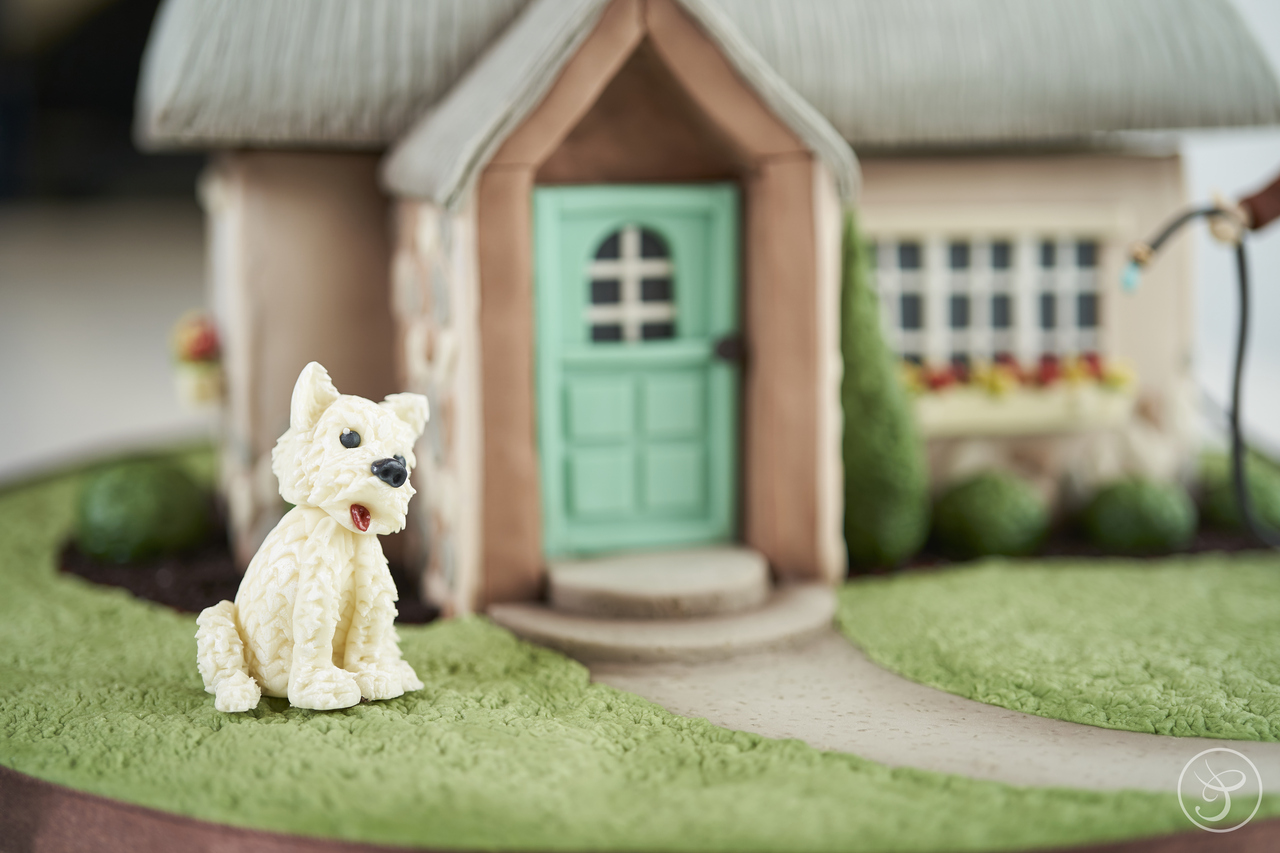
The capstone to our Cake Baking and Decorating Arts course represents the culmination of your experience and must be marked with a celebration cake. We challenge you to prepare the components and sculpt a cottage cake for a special event of your choice, like a birthday party.
View unit lessons
Lesson 1
Sculpting a Cottage Cake
The final capstone is your opportunity to showcase all that you’ve learned in this course.
Lesson 2
Preparations for the Sculpted Cottage Cake
The final capstone is your opportunity to showcase all that you’ve learned in this course.
Lesson 3
Final Course Assessment & Resources
Review and assess what you have learned in this course.
Practice Recipes
A few of the practice recipes you'll learn in this course.
Loading reviews…